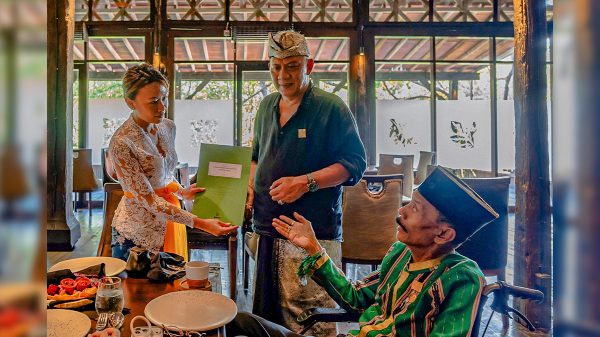
The dining room at Cirkulo hummed with the soft clink of wine glasses and the low murmur of Manila’s culinary insiders on a humid Wednesday afternoon in May. Sunlight filtered through the restaurant’s warm interiors, catching polished silverware and casting a glow over tables dressed in crisp white linen. Overall, the mood was elegant but relaxed—feeling less like a stiff corporate luncheon and more like an intimate gathering of people who genuinely love food and the stories behind it.
Right at the center of the room stood Chef J. Gamboa, one of the Philippines’ most enduring culinary figures, who is now carrying a new title with unmistakable swagger: Lambassador.
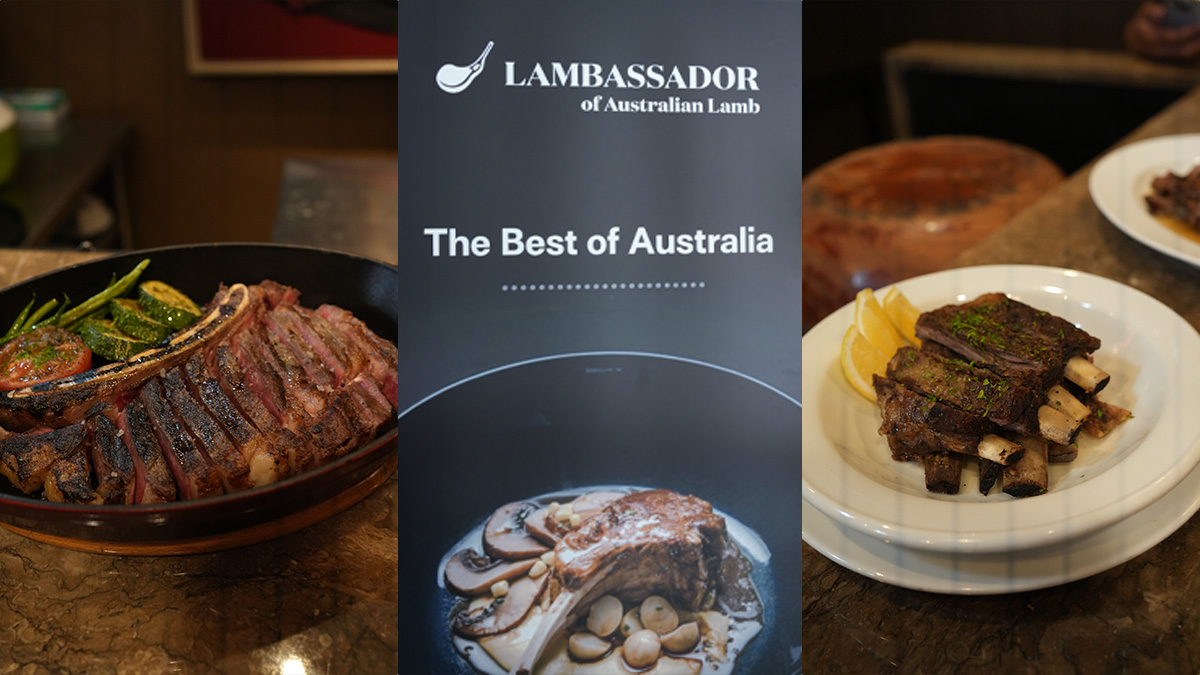
As the Philippines’ newest ambassador for Australian lamb, Gamboa is stepping into a role designed to elevate the protein beyond hotel buffets and special-occasion dining. Ultimately, the initiative, led by Meat & Livestock Australia (MLA), hopes to position Australian lamb as both aspirational and approachable for Filipino diners—positioning it as somethingthat can exist comfortably between fine dining and comfort food.
A Lunch That Felt Like a Scene
And if the lunch at Cirkulo was any indication, the campaign understands exactly how modern diners want to eat right now. Flavorful, experience-driven, slightly indulgent and highly Instagrammable without trying too hard.
I’ve been a big fan of Australian lamb since we opened Cirkulo in 1995,” Gamboa said during the gathering. “Through the years, Australian lamb has always been a guest favorite on our menu.”
There was no over-rehearsed spectacle to the presentation—no smoke machines and no dramatic reveals. Instead, the food did the talking, and frankly, it had a lot to say.
As the afternoon unfolded, guests leaned into conversations over sparkling wine while servers moved gracefully between tables, carrying large platters fragrant with rosemary, garlic, and smoke. In doing so, the ambiance struck a rare balance: it was polished enough for industry veterans, yet relaxed enough that younger guests were casually snapping photos between bites and posting stories before the next course landed.
Consequently, it felt less like a press event and more like being invited into someone’s very well-fed inner circle.
The Lamb Dishes That Stole the Afternoon
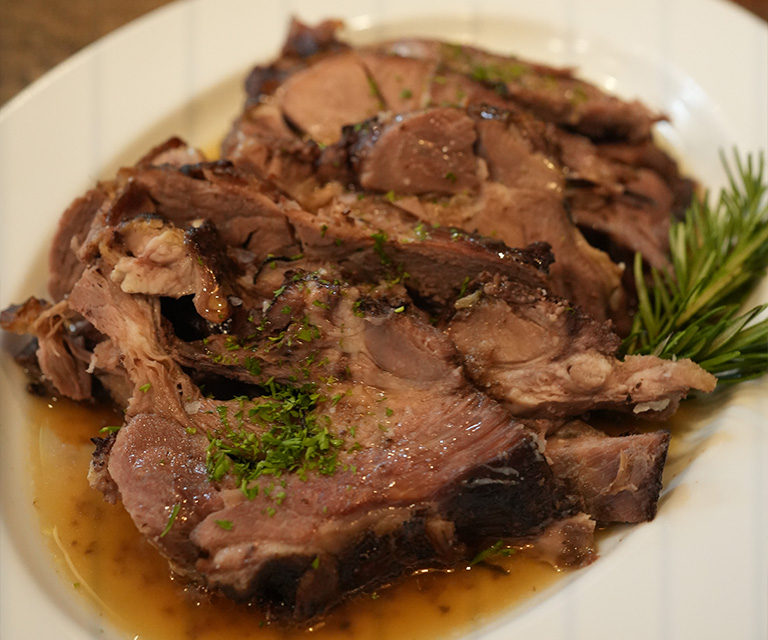
The first plates to emerge were the slow-roasted Australian lamb short ribs, burnished at the edges and perfumed with garlic, pepper and citrus. The meat surrendered almost immediately under the fork. Collapsing into tender strands rich with rendered fat and smoke. It was the kind of dish that forces a table to collectively pause mid-conversation.
Then came the cordero lechal asado. An oven-roasted Australian suckling lamb finished with rosemary and chimichurri sauce. Vibrant and herbaceous, it balanced old-world Spanish influences with the kind of hearty generosity Filipino diners gravitate toward. Nearby, phones quietly rose above the table for obligatory food photos. Subtle proof that the dish had already won over the Gen Z contingent in the room.
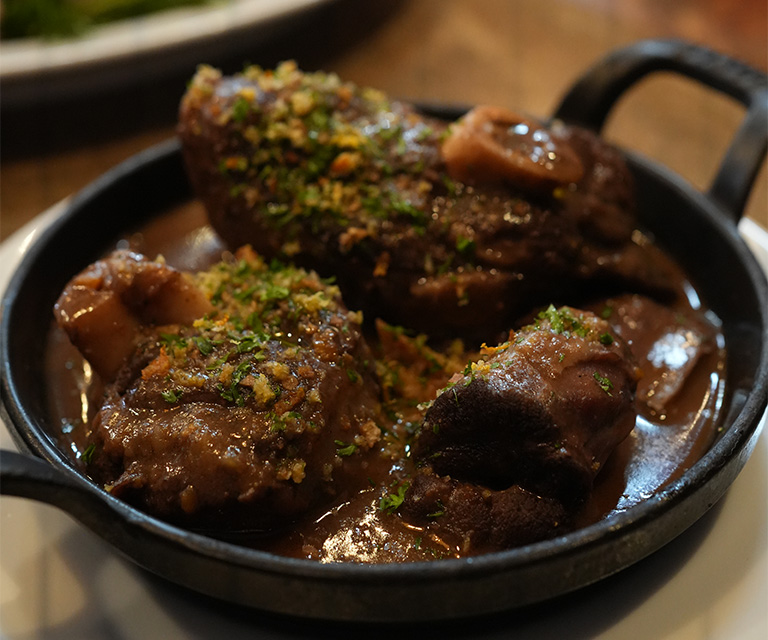
But perhaps the afternoon’s most comforting course was the lamb shank ossobuco. Braised slowly in red wine until the meat nearly slipped from the bone on its own. Finished with lemon gremolata. It carried the cozy depth of a rainy-day meal while still feeling polished enough for a celebratory dinner.
The menu also highlighted premium Australian beef. Including a tartar de buey layered with capers, shallots and roasted bone marrow atop toasted brioche. A charcoal-grilled bone-in ribeye from Stanbroke Farms arrived later, marked by the intense heat of Cirkulo’s custom Josper oven. Smoky, deeply savory and unapologetically rich, it was the kind of steak that silences a room for a few seconds after the first bite.
Still, lamb remained the undeniable main character.
Why MLA Is Betting Big on the Philippines
For MLA, the appointment of Gamboa signals a broader strategy in the Philippines, where consumer tastes are evolving quickly alongside the country’s dining culture. Filipino diners — particularly younger consumers — are increasingly adventurous, eager to explore premium ingredients while still craving familiarity and warmth.
Chef J. represents the best of what we look for in a Lambassador,” said Valeska, MLA’s regional manager for Southeast Asia. “Culinary excellence, strong industry influence and a genuine passion for quality ingredients.”
That influence matters. In Manila’s food scene, where trends move at TikTok speed and diners constantly chase the next reservation-worthy experience, credibility can determine whether an ingredient becomes a movement or merely a marketing push.
The Lambassador program aims to bridge the gap between awareness and actual menu adoption through chef collaborations, restaurant partnerships and consumer-driven events. The goal is not simply to market Australian lamb, but to make it feel relevant to everyday Filipino dining habits.
A Chef Who Makes the Campaign Feel Real
Gamboa’s advantage is that he does not need to manufacture authenticity. His relationship with Australian lamb predates hashtags, aesthetic plating videos and algorithm-friendly dining trends. There is history there — decades of serving it, refining it and understanding how it fits the Filipino palate.
That authenticity gave the afternoon its strongest appeal. Nothing felt overly branded or forced. Even with media cameras flashing intermittently across the room, the experience maintained an understated sincerity that resonated with guests.
In many ways, Gamboa represents a bridge between generations of Filipino dining culture. Classic enough for longtime patrons, but adaptable enough to resonate with younger diners who value both storytelling and experience.
More Than Just a Trendy Protein
Moving forward, the Lambassador program will focus on menu innovation. Chef engagement and consumer-facing events designed to make lamb feel less intimidating and more accessible.
Because today, food is rarely just food anymore. It is identity. It is to travel without boarding a plane. It is comfortable with a little flex.
And in a softly lit dining room in Makati, over plates of slow-roasted lamb and glasses raised between courses, Australian lamb made a compelling case for becoming part of the Filipino table in a whole new way.
Read more Stories on Simpol.ph
Seoul Comfort in Quezon City: Inside Seocho 1978’s Calm Luxurious Dining Room