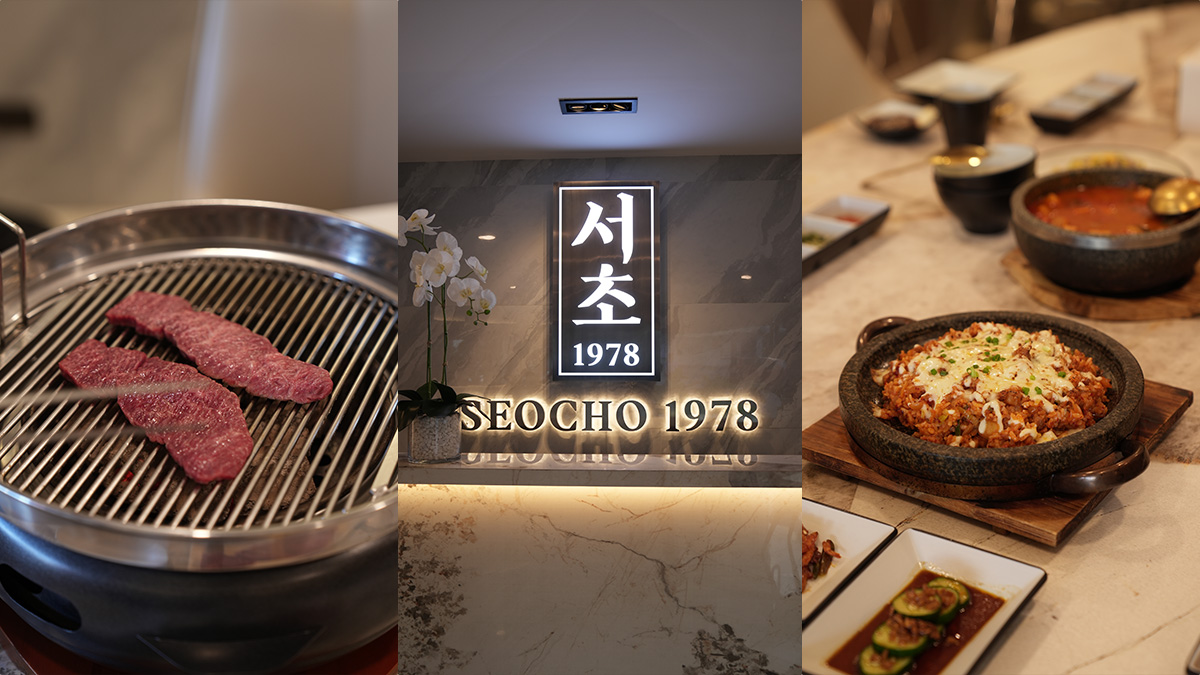
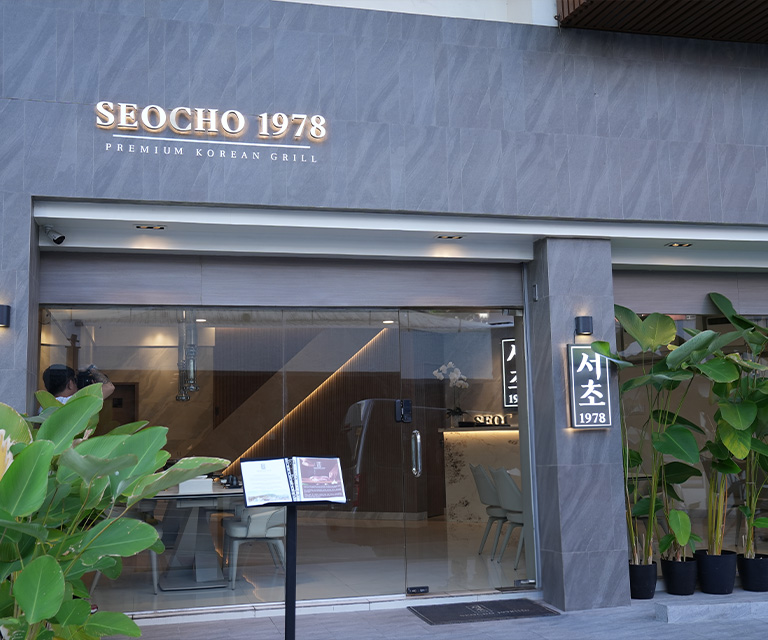
In Quezon City, where most nights feel slightly rushed—cars inching forward, conversations spilling onto sidewalks—there’s a restaurant that seems to resist all of it. Seocho 1978 doesn’t announce itself loudly. It doesn’t need to. From the outside, it looks composed, almost unbothered. Inside, that feeling deepens.
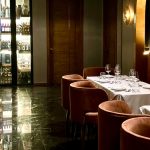
The space is warm without trying too hard. Wood, soft lighting, tables that feel spaced for comfort rather than capacity. There’s no sensory overload, no curated chaos. Just a steady hum of conversation and the occasional sizzle from the grill. It feels intentional, but not performative—the kind of place where you immediately lower your voice without being told.
Decoding the Name
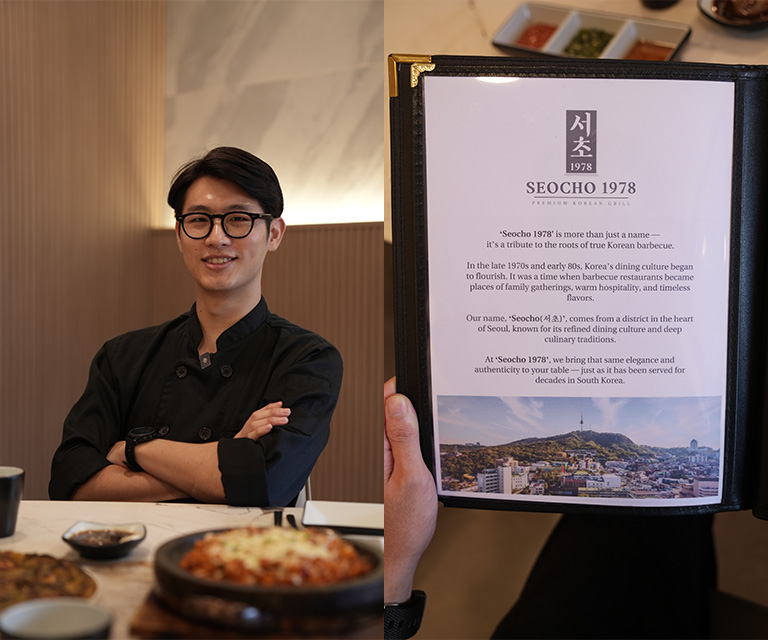
The name carries a story that owner Charlie Jeong is careful to separate into two parts. “Seocho,” he explains, refers to a district in Korea—affluent, yes, but not in the flashy way most outsiders associate with Seoul.
It’s more like a family, friendly location,” he says.
He wanted to bring that feeling here, to the Philippines. Not the over-commercialized version of Korean dining, but something closer to everyday life in Korea.
Then there’s “1978,” which pulls from another layer of memory. Late 70s, early 80s Korea, when eating out wasn’t about aesthetics or trends, but about shared tables and familiar dishes—samgyeopsal, galbijjim, food that marked ordinary nights out. Together, the name becomes less branding and more atmosphere.
A Personal Quest for Authenticity
Jeong arrived in the Philippines three years ago and has been working in food and beverage since. But Seocho 1978, he says, is different. This one is personal.
I made this restaurant for myself,” he admits.
As a Korean living abroad, he kept running into the same frustration: Korean food that looked the part but didn’t taste right.
They said it is authentic,” he says, “but when I tasted it, it was too localized.”
That gap—between label and reality—became the reason for opening the restaurant. At Seocho 1978, ingredients are non-negotiable. Everything leans toward origin, not adaptation. Nothing is dressed up for familiarity if it means losing its core identity.
The Star of the Menu: Hanwoo Beef
The clearest expression of that philosophy is the beef.
Jeong doesn’t hesitate when asked about bestsellers.
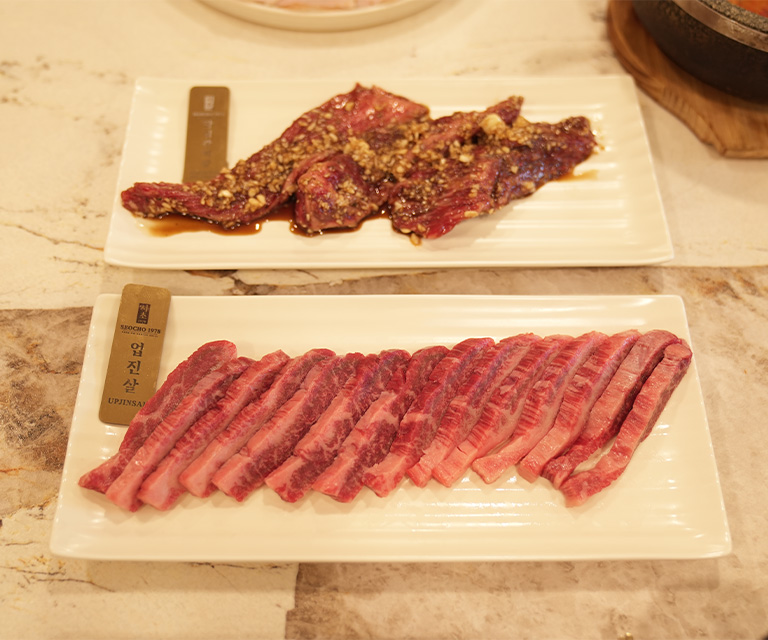
Of course, the Hanwoo beef,” he says.
It’s a specific grade—1++ number 9—sourced from Majang Market in Korea. The process is unusually strict: chilled in Korea in the morning, flown out the same day, arriving in Manila by night. No freezing. No shortcuts.
On the grill, it shows. The meat cooks quickly, almost delicately, releasing a richness that doesn’t rely on heavy marinades or sweetness. It’s confident on its own, which feels rare in a city where boldness is often equated with sugar, sauce, or spice.
Honest, Home-Style Cooking
Elsewhere on the table, dishes arrive without drama. Familiar Korean staples, but steadier in tone than what many diners might be used to. There’s less gloss, less attempt to localize flavor profiles. Instead, the food leans toward something closer to home cooking—simple, balanced, unforced.
That word “home” comes up often in Jeong’s explanation. Not as nostalgia for nostalgia’s sake, but as a standard.
I hope they would think this restaurant is like a hidden Korean home cook,” he says.
He even compares it to food made by a grandmother: not perfect in a polished sense, but deeply right in a way that doesn’t need explaining.
There’s a quiet tension in that idea. In a city where “authentic” is often used as marketing shorthand, Seocho 1978 treats it as discipline. No MSG-heavy masking, no leaning too far into sweetness, no attempt to bend itself toward expectation. It simply stays close to what it believes Korean food should be.
A Different Rhythm
What you notice most, though, isn’t a single dish. It’s the pace. Meals here don’t rush you. Nothing feels engineered for turnover or spectacle. Even the grill marks seem to take their time.
By the end of the meal, there’s no orchestrated finale. No dramatic signature dish designed to be remembered above everything else. Just the sense that you’ve eaten something steady, honest, and unhurried.
Outside, Quezon City keeps moving at its usual speed. Inside Seocho 1978, things feel slightly out of sync with that pace—in a way that feels deliberate rather than detached. It’s not trying to escape the city. It’s just offering a different rhythm within it.
Read more Stories on Simpol.ph
Seoul, Quietly Reconstructed in Pasig City
Michelin-starred chef Kisu Bang brings Korean flavors to Manila