Choosing healthier food options matters, and discovering nutrient-dense fruits like berba can make everyday diets more beneficial and enjoyable. For readers seeking natural ways to boost immunity and digestion, this fruit offers both function and flavor. Its growing presence in local gardens and markets signals a shift toward appreciating underutilized, high-value produce. In fact, interest in Berba fruit benefits Philippines consumers who are focused on nutrition and wellness.
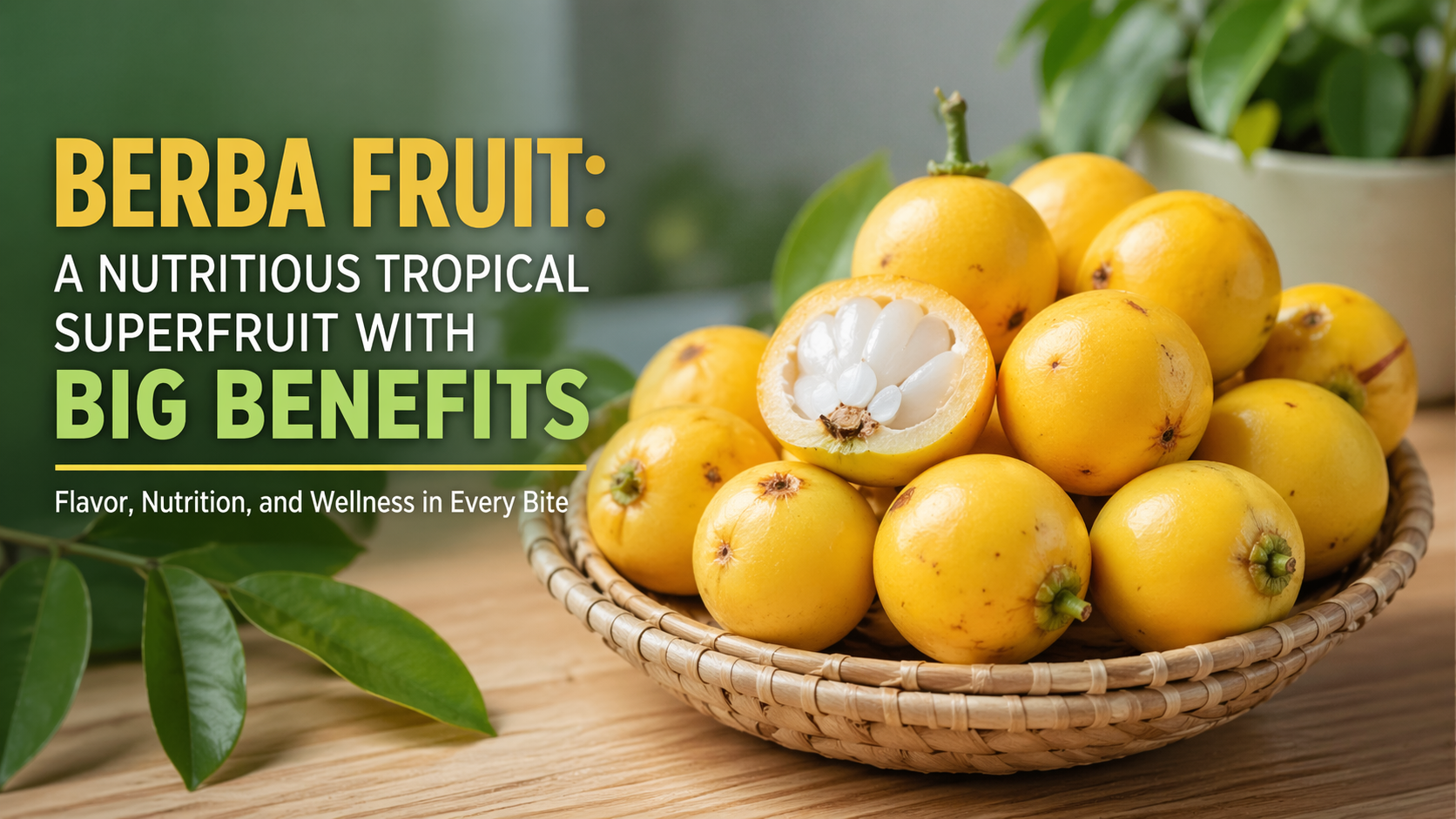
Berba fruit, scientifically known as Garcinia intermedia and commonly called lemon drop mangosteen, is steadily gaining recognition in the Philippines as a nutritious and versatile tropical fruit. Native to Central America but now cultivated in regions such as Bicol and Rizal, berba stands out for its vibrant yellow color, refreshing sweet-and-sour taste, and impressive health profile. Once considered a niche fruit among collectors, it is now emerging as a promising addition to local diets and small-scale agriculture. Clearly, many people are looking into Berba fruit benefits Philippines markets now that health trends are changing.
Understanding Berba: Flavor, Form, and Function
Small and round with a thin rind, berba fruit contains soft white pulp that delivers a balanced blend of sweetness and acidity. Its flavor is often compared to a mix of citrus, grape, and pear, making it both refreshing and distinctive. Beyond taste, its adaptability in culinary use—from fresh consumption to jams, jellies, and beverages—adds to its appeal.
In some Filipino households, berba is even explored as a souring agent for traditional dishes such as sinigang, offering a unique twist on familiar flavors. This versatility contributes to its increasing popularity among food enthusiasts and home cooks.
Nutritional Value: A Compact Source of Wellness
Berba fruit is more than a flavorful treat; it is a compact source of essential nutrients that support overall health. Rich in vitamin C, fiber, and plant-based compounds, it aligns well with modern dietary preferences focused on natural and functional foods. In summary, there are numerous Berba fruit benefits Philippines health experts are beginning to emphasize.
High Antioxidant Content
Berba contains antioxidants such as xanthones and guttiferone A, which help combat oxidative stress. These compounds play a role in protecting cells from damage and may contribute to reducing the risk of chronic diseases.
Immune System Support
Its high vitamin C content strengthens immune defenses, helping the body respond more effectively to infections and inflammation.
Digestive Health Benefits
Dietary fiber in berba supports gut health, aids digestion, and may help regulate blood sugar levels, making it a suitable addition to a balanced diet.
Low-Calorie, High-Impact Snack
For those managing calorie intake, berba offers a satisfying yet light option that does not compromise nutritional value. Meanwhile, Berba fruit benefits Philippines families looking for affordable, nutrient-dense food choices.
Cultivation and Local Appeal
Berba trees are relatively small, reaching around five meters in height, and are known for their productivity. Even young trees can yield hundreds of fruits, making them attractive for backyard growers and small-scale farmers. They thrive in tropical climates and can be grown in containers, further increasing their accessibility in urban settings.
In the Philippines, the fruit has found a niche among rare fruit collectors and agricultural hobbyists. Its ability to adapt locally, combined with its economic potential, positions it as a promising “minor fruit” with expanding relevance.
Voices from the Field
Growers and enthusiasts highlight not only berba’s productivity but also its market potential. One local cultivator from Rizal shared in an interview:
“Berba is one of the most rewarding trees to grow. It fruits generously, and people are always curious once they taste it. There’s strong potential for it to become more mainstream.”
This sentiment reflects a broader optimism surrounding the fruit’s future in both local consumption and niche markets.
Culinary Possibilities: From Fresh to Creative
Berba’s bright flavor profile lends itself to a wide range of culinary applications. It can be eaten fresh as a quick, refreshing snack or transformed into preserves and beverages that highlight its natural tang.
Chefs and food experimenters are beginning to incorporate berba into syrups, desserts, and even savory dishes, recognizing its ability to elevate flavor without artificial additives. Its natural acidity and sweetness make it a versatile ingredient for both traditional and modern recipes.
A Fruit with Growing Significance
The increasing interest in berba fruit reflects a broader movement toward rediscovering lesser-known crops that offer both nutritional and economic value. As more consumers prioritize health-conscious choices, fruits like berba provide an accessible way to diversify diets while supporting local agriculture.
Its rise also underscores the importance of preserving and promoting agricultural biodiversity, ensuring that unique, nutrient-rich fruits continue to thrive and benefit future generations.
Why It Deserves a Place in Your Diet
Berba fruit represents a balance of taste, nutrition, and sustainability. Its health benefits, ease of cultivation, and culinary flexibility make it a compelling option for individuals seeking to enhance their diet naturally. As awareness grows, it is likely to move from a specialty item to a more familiar presence in Filipino households thanks to rising knowledge about Berba fruit benefits Philippines consumers are discussing.
Read more Stories on Simpol.ph
The Nut That Grew on Ash: Rediscovering Pili in the Philippines
Golden Islands: A Mango-Lover’s Guide to Guimaras
The Taste of What’s Almost Lost: Rediscovering Filipino Flavors at Terra Madre Asia & Pacific