For readers seeking practical ways to improve daily nutrition, bignay offers a locally available, nutrient-rich option worth attention. Its health benefits, affordability, and cultural relevance make it more than just a fruit—it is a meaningful addition to a balanced lifestyle. Understanding its value encourages support for indigenous produce while promoting better food choices.
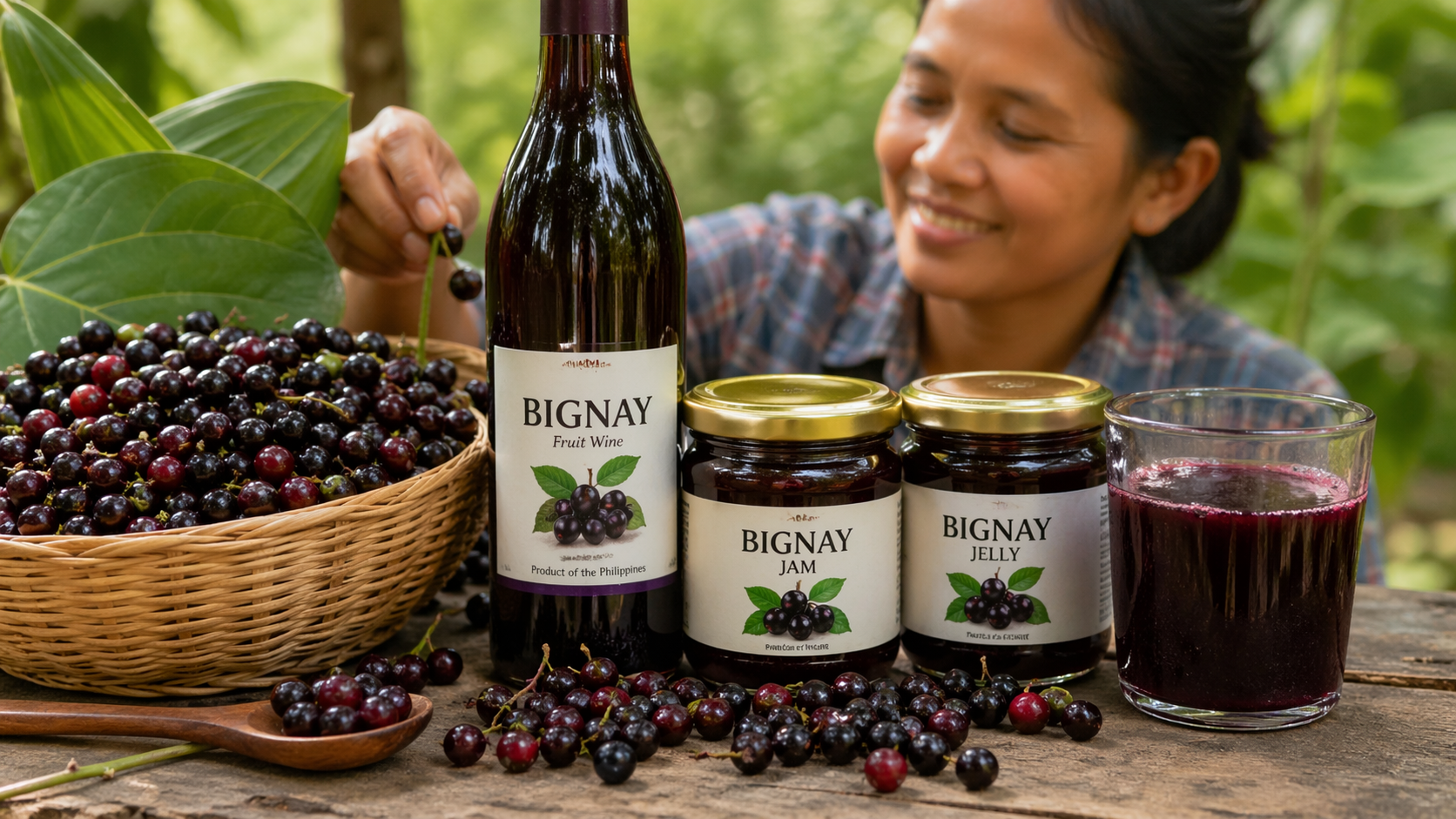
Bignay (Antidesma bunius), locally known as bugnay, is a native Philippine fruit increasingly recognized for its nutritional and medicinal potential. Often referred to as the “currant tree,” it produces small berries that transition from green to red and eventually to a deep purple or black when ripe. Despite its abundance in rural areas, particularly in Luzon, it remains underutilized in mainstream markets, typically sold by indigenous communities such as the Aetas. With a distinctive sweet-sour flavor and a slight bitter aftertaste, bignay is commonly processed into jams, jellies, juices, and a well-known traditional wine.
From Forest Harvest to Local Tables
Bignay thrives in tropical climates and is often found growing wild or cultivated in small-scale farms. Its presence in provincial markets reflects a long-standing tradition of foraging and local trade. The fruit’s accessibility in these areas contrasts with its limited visibility in urban centers, where imported fruits often dominate consumer choices.
The berries are delicate and highly perishable, which contributes to their limited distribution. As a result, many producers turn to processing methods such as fermentation and preservation to extend shelf life and enhance flavor. Bignay wine, in particular, has gained attention for its deep color and complex taste, often compared to black currant.
A local producer from Batangas shared insight into its growing appeal:
“Bignay has always been part of our community, but only recently have more people started appreciating its value. Once they taste the wine or jam, they realize it’s something uniquely Filipino and worth supporting.”
Nutritional Value and Health Potential
Bignay is rich in essential nutrients, including vitamins A and C, calcium, iron, and dietary fiber. More notably, it contains high levels of antioxidants such as anthocyanins and flavonoids, which help combat oxidative stress and reduce the risk of chronic diseases.
Research and traditional use suggest several health benefits:
- Immune support: Its vitamin C content helps strengthen the body’s natural defenses.
- Anti-inflammatory properties: It may help alleviate symptoms associated with asthma, cough, and joint pain.
- Cardiovascular health: Compounds in bignay are linked to improved blood circulation and reduced cholesterol levels.
- Digestive aid: It is known to support gut health and act as a natural detoxifier.
- Liver protection: Preliminary studies indicate potential benefits for liver function.
Additionally, the leaves of the bignay tree are used in traditional medicine, often brewed into teas believed to have antibacterial and detoxifying properties.
Culinary Versatility and Everyday Use
While ripe bignay fruits can be eaten raw, their naturally tart and sometimes bitter taste makes them more suitable for processing. Transforming the berries into jams, jellies, and juices enhances their palatability while preserving their nutritional benefits.
Bignay wine remains one of its most popular products, valued for both its flavor and cultural significance. Its production supports small-scale farmers and highlights the potential of local agriculture in creating distinctive, high-value goods.
However, consumers should handle the fruit carefully, as its deep pigment can stain hands and fabrics. It is also important to ensure ripeness before consumption to avoid excessive acidity.
Safety, Moderation, and Scientific Gaps
Although bignay is generally safe when consumed in moderate amounts, excessive intake may lead to gastrointestinal discomfort, including acid reflux, vomiting, or loss of appetite. Some reports also raise concerns about potential heavy metal content in bignay tea when consumed over long periods.
Another important precaution involves the plant’s bark, which contains toxic compounds and should not be consumed. While animal studies suggest that bignay extracts are non-toxic at controlled doses, there is still limited clinical research involving humans. This highlights the need for further scientific validation of its medicinal claims.
As with any natural remedy, consulting a healthcare professional before regular therapeutic use is recommended.
A Growing Role in Local Food Awareness
The renewed interest in bignay reflects a broader shift toward rediscovering indigenous and underutilized crops. As consumers become more health-conscious and environmentally aware, local fruits like bignay offer sustainable and culturally rooted alternatives to imported produce.
Expanding its presence in urban markets and supporting community-based producers could help elevate bignay from a regional staple to a nationally recognized superfruit. Its potential lies not only in its health benefits but also in its ability to connect consumers with local traditions and agricultural heritage.
In an evolving food landscape, bignay stands as a reminder that valuable resources often exist close to home—waiting to be rediscovered, appreciated, and sustained.
Read more Stories on Simpol.ph
Golden Islands: A Mango-Lover’s Guide to Guimaras
The power of potatoes: A nutrient-rich staple in Filipino cuisine
The Nut That Grew on Ash: Rediscovering Pili in the Philippines