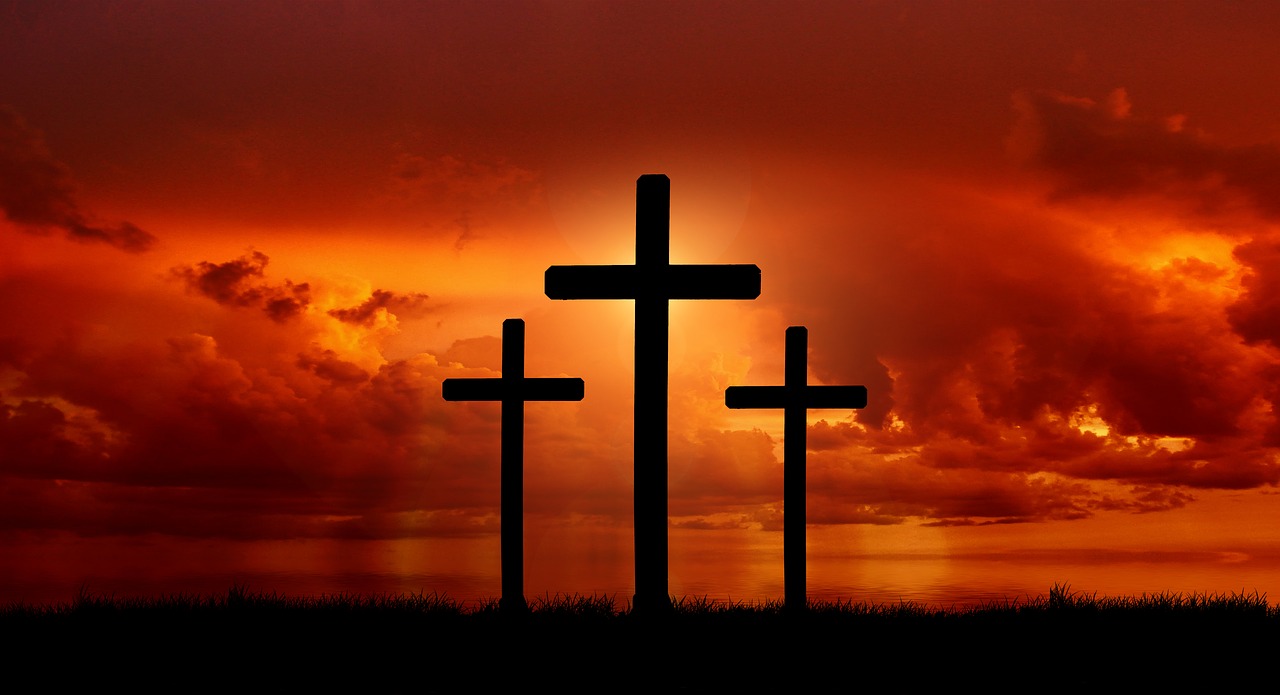
For readers navigating the pace of modern life, Good Friday offers a necessary interruption—an opportunity to confront suffering, reflect on sacrifice, and reassess what truly matters. Experiencing it is important because it grounds individuals in humility, discipline, and spiritual awareness, values often overlooked in daily routines. Participating, whether through quiet reflection or communal observance, fosters a deeper understanding of faith, empathy, and personal renewal.
Entering the Solemnity of the Passion
Observed on April 3, 2026, Good Friday commemorates the Passion and Death of Jesus Christ, marking one of the most solemn days in the Christian calendar. Across the Philippines and around the world, churches fall silent, as no Mass is celebrated; instead, the faithful gather for the Liturgy of the Passion, the veneration of the cross, and the reading of the Gospel account detailing Christ’s suffering and crucifixion.
The day is characterized by fasting and abstinence, practices that are not merely ritualistic but deeply symbolic. They serve as physical reminders of sacrifice and self-denial, inviting participants to align their actions with the gravity of the occasion. In many communities, traditional expressions such as the Senakulo (passion play) and Visita Iglesia further deepen engagement, transforming public spaces into arenas of collective remembrance.
Religious observers and cultural commentators often emphasize that Good Friday’s power lies in its stillness. Without the celebratory elements found in other liturgical events, the day compels individuals to sit with discomfort, loss, and contemplation—experiences that mirror both spiritual and human realities.
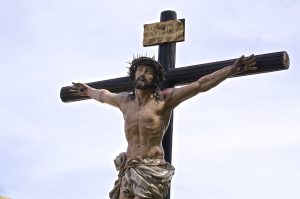
Rituals of Meaning and Discipline
The observance of fasting—typically limited to one full meal and two smaller portions—and abstinence from meat reflects a longstanding discipline within the Church. These acts are not intended as hardship for its own sake but as deliberate choices that cultivate restraint and mindfulness.
Church leaders consistently highlight the relevance of these practices in contemporary life. As noted by a parish priest during a Holy Week homily in Manila:
“Good Friday is not only about remembering Christ’s suffering; it is about recognizing how sacrifice and restraint can transform our daily lives. In a world of excess, choosing less becomes a powerful act of faith.”
Such reflections resonate with many who seek meaning beyond material abundance. The discipline encouraged on Good Friday often translates into broader personal insights—patience, gratitude, and a renewed capacity for compassion.
Beyond Tradition: A Shared Human Experience
While rooted in Christian theology, Good Friday also speaks to universal themes of suffering, sacrifice, and redemption. Its narratives invite reflection not only on faith but also on human resilience and the capacity to endure hardship with purpose.
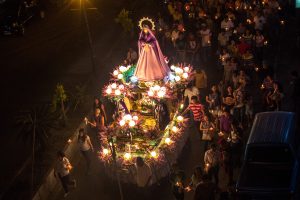
In the Philippine context, where communal observance remains strong, the day becomes both a personal and collective experience. Streets quiet down, businesses close, and families gather, creating a rare pause in the rhythm of everyday life. This shared stillness reinforces a sense of unity, reminding participants that reflection is not an isolated act but a communal one.
A Timeless Call to Reflection and Renewal
Good Friday remains significant because it transforms remembrance into reflection and discipline into insight. It offers a structured moment to disengage from routine and engage with deeper questions of purpose, sacrifice, and belief. For readers, experiencing it provides clarity—an opportunity to step back, recalibrate priorities, and reconnect with values that extend beyond the religious sphere.
As the solemnity of Good Friday unfolds each year, it continues to hold relevance not only as a religious observance but also as a meaningful pause—one that invites both believers and observers to reflect on what it means to live with intention, humility, and compassion
Read more Stories on Simpol.ph
Where Faith Begins Again: A Journey Into Holy Week Reflection
Holy Tuesday: Reflection, Reverence, and Renewal in Holy Week