In a period marked by global energy supply disruptions, consumers are feeling the pinch not just at the pump—but at the grocery counter, in public transport fares, and across the basic goods and services they depend on. Energy price shocks and rising household costs are having a significant impact on people’s daily expenses. Understanding the link between constrained energy availability and rising costs of food, transportation, and essentials is crucial for households seeking to protect their budgets and plan for the future. With inflationary pressures spiking and wages lagging behind, this dynamic affects daily life and economic well-being in very tangible ways.
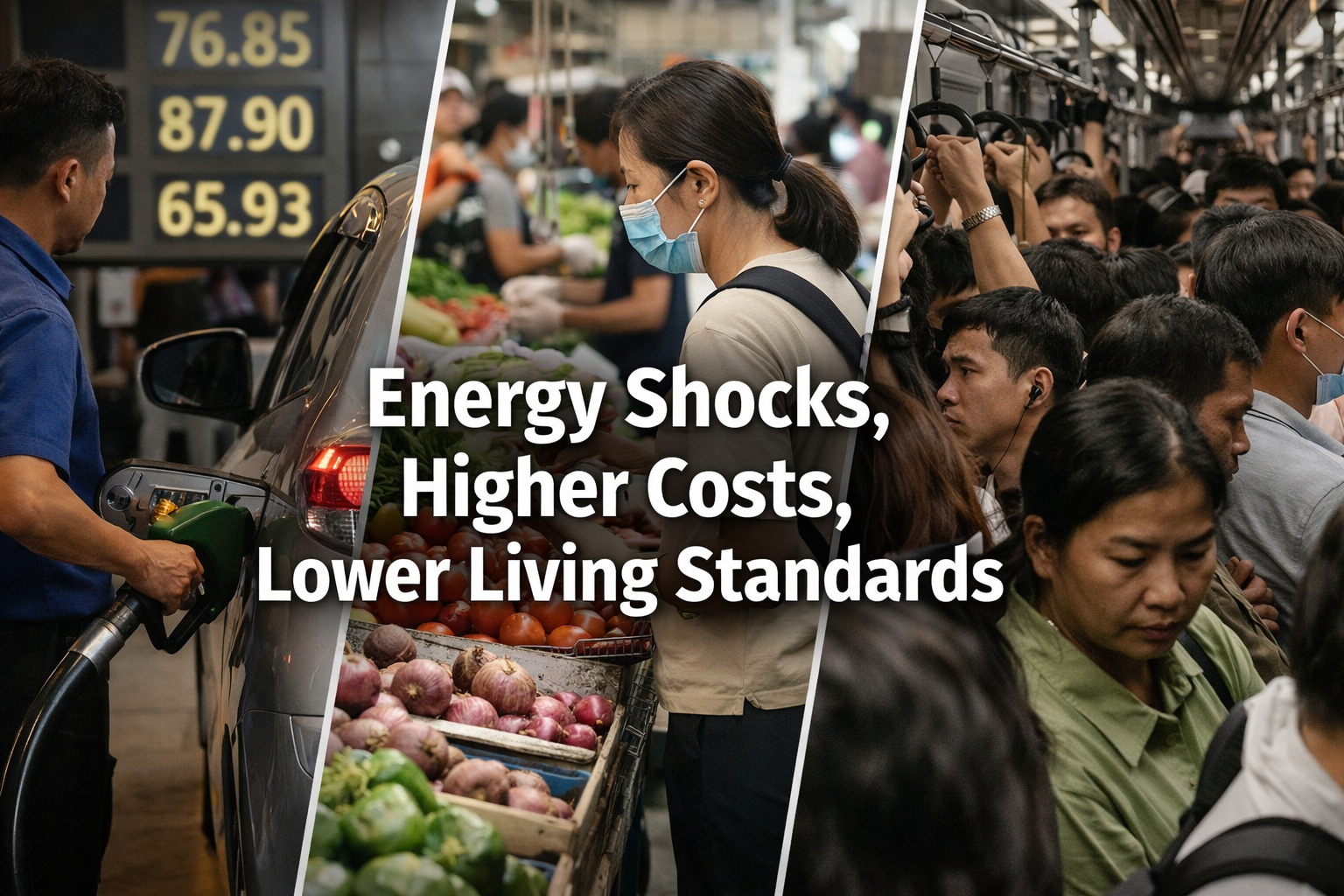
Energy Shocks, Higher Costs, Lower Living Standards
Energy is the backbone of nearly every stage of food production and distribution—from powering tractors and irrigation systems to transporting crops to markets and fueling processing plants. When oil and gas supplies tighten or prices jump, these costs are quickly passed through to consumers in the form of higher food and transport prices.
The ongoing disruption in global energy markets—linked to geopolitical tensions that have curtailed shipments through critical chokepoints such as the Strait of Hormuz—has removed millions of barrels of oil and bonds of liquefied natural gas from global supply. This has put upward pressure on global energy prices and, by extension, the costs of commodities like fertilizers, electricity, and transportation inputs.
According to the IMF, prolonged energy price increases could significantly boost inflation and dampen economic growth, as the higher costs of fuel and related inputs ripple through economies.
What This Means for Households
For many consumers, especially in energy-importing countries, rising energy prices translate directly into higher costs for essentials:
- Food Costs: Fuel and fertilizer price increases elevate the cost of producing and transporting food. The United Nations Conference on Trade and Development (UNCTAD) warns that higher energy and transport costs exacerbate food price inflation, especially for the most vulnerable populations.
- Transportation: As fuel becomes more expensive, public and private transport costs rise, tightening household budgets. In the Philippines, households and small businesses alike report that recent fuel price increases are already making everyday expenses heavier.
- Cost of Living: A cost‑of‑living crisis is underway in many regions, where essentials like food, housing and energy rise faster than wages—effectively eroding purchasing power and living standards.
Voices from the Field
John Paolo R. Rivera, a senior research fellow at the Philippine Institute for Development Studies, highlights the local repercussions: “The war will likely push inflation upward and slightly dampen economic growth, as energy costs feed into transportation, logistics and food prices, reducing household purchasing power.”
Consumers in market stalls are feeling this transition firsthand. One local vendor at Paco Market in Manila noted that “rising global oil prices driven by tensions in the Middle East have begun to push up logistics costs. As suppliers adjust prices, vendors and consumers alike are feeling the strain.”
Coping Mechanisms and Policy Responses
Households and governments are responding in different ways. Some individuals adjust behavior—such as reducing non‑essential travel or prioritizing bulk purchases—to stretch limited budgets. Others advocate for policy interventions, such as targeted subsidies, fuel tax adjustments, and cash support for low‑income households (a measure some Southeast Asian governments have already begun to implement).
Economists suggest that strategic fiscal support and energy diversification could help mitigate the most acute impacts on vulnerable families, but stress that long‑term resilience will depend on strengthening energy security and supply chains.
The Road Ahead
The current energy‑induced inflationary shock is a stark reminder of how interconnected global markets are and how quickly disruptions in one sector can cascade into everyday household costs. As food and energy prices continue to fluctuate, understanding these links and preparing for their effects remains essential for consumers, policymakers, and businesses alike. Effective coping strategies—not just temporary relief—will be key to sustaining living standards amid an uncertain economic horizon.
Read more Stories on Simpol.ph
Half-Meant Jokes: Understanding Humor, Harm, and Hidden Consequences
Fuel Shock, Filipino Resilience: Navigating the 2026 Oil Price Surge
Raket Nation: How Filipinos Turned Survival into a Way of Life