
In everyday conversations, humor often serves as a bridge—lightening moods, breaking tension, and building camaraderie. But sometimes, what seems funny on the surface can leave invisible wounds. Half-meant jokes, casual remarks about past experiences, or teasing shared in social settings may entertain some but silently hurt others, creating stress, mistrust, and emotional discomfort. Understanding this subtle line between humor and harm matters because it affects relationships, mental health, and even workplace or social environments.
When Laughter Hurts
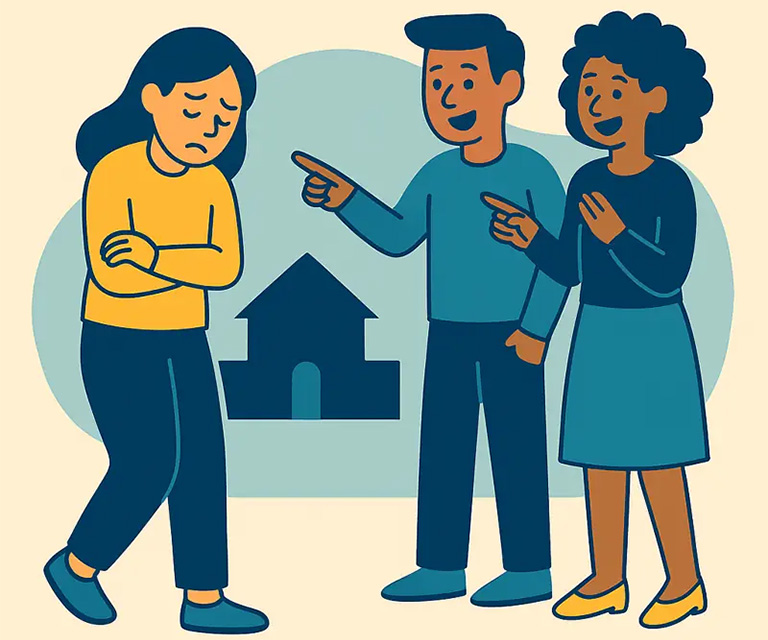
Many jokes are delivered under the assumption that everyone is “in on it,” yet not all humor lands the same way for everyone. “Sometimes it’s funny, and we laugh, and that’s okay—but sometimes it really hurts,” says Russ Maine Baldos, a youth advocate and speaker on emotional wellness. “We have to understand that not everyone finds it okay to share certain experiences or past struggles as humor.”
Casual jokes often exploit personal histories or secrets, told in the name of entertainment. Friends may recount embarrassing incidents or sensitive experiences, believing it is harmless because the person is “trusted” or “close.” Yet these recollections can trigger feelings of betrayal or shame. Over time, repeated jokes about past traumas or personal struggles can lead to stress, overthinking, paranoia, and difficulties trusting others.
One key concern is that addressing these feelings is complicated. When someone speaks up, they risk being labeled as overly sensitive or a killjoy. “You want to shout and say, ‘Not everything should be shared,’” explains Baldos, “but if you speak, people might think you’re overreacting. It’s a difficult balance between protecting yourself and maintaining relationships.”
The Psychological Impact of “Just Jokes”
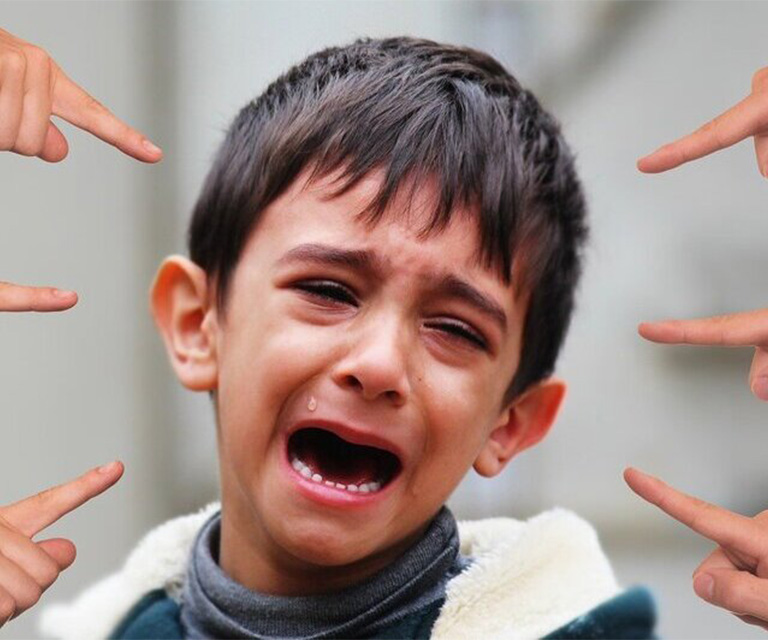
Experts highlight that the effects of seemingly harmless humor are cumulative. Persistent teasing or joking about personal issues can lead to depression, anxiety, and, in severe cases, suicidal thoughts. In today’s generation, where mental health awareness is increasing, the normalization of harmful humor—often disguised as “toughening someone up”—is no longer acceptable. Baldos emphasizes: “We’re not in a generation where people need to be hardened. Now, the priority is emotional safety and comfort. Bullying, even under the guise of jokes, still hurts and can leave lasting scars.”
In workplaces and social circles, this means organizations and individuals alike need to re-evaluate how humor is shared. Managers, teachers, and peers are encouraged to foster environments where respect and consent guide interactions. Humor should uplift rather than demean, and sensitivity is part of responsible communication.
Voices from the Community
Employees and leaders have shared firsthand experiences of the subtle harm caused by jokes. Anna Reyes, an HR manager, reflects: “I’ve seen colleagues laugh along during team banter, but later confide that it made them feel exposed or humiliated. It reminded me that intent doesn’t erase impact. We need to teach empathy in our day-to-day interactions.”
Guests and participants in wellness workshops have also noted the relief that comes from open discussions. One participant shared, “It feels liberating to say that certain jokes affect me without being judged. Awareness alone changes the dynamic—people start to think before they speak.”
Moving Toward Respectful Humor
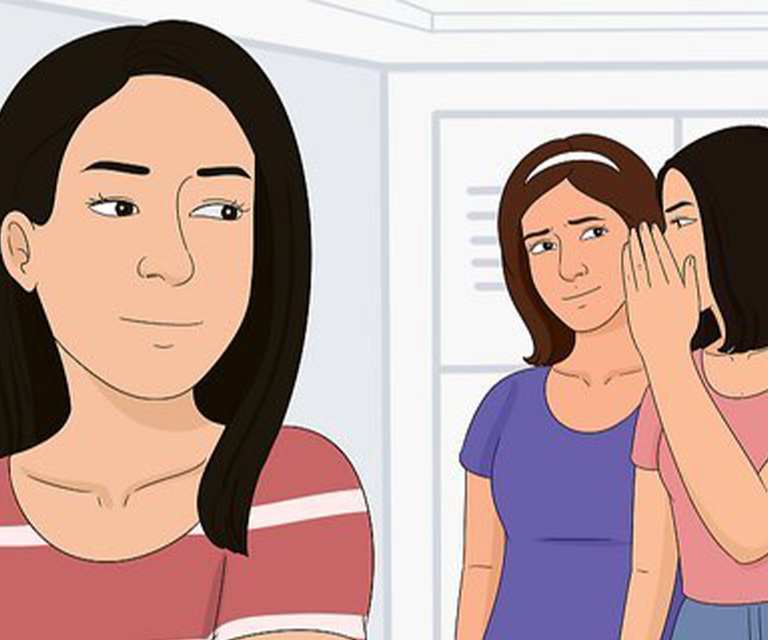
Addressing half-meant jokes is not about policing laughter but about creating awareness of the consequences. Establishing boundaries, communicating discomfort, and promoting a culture of empathy ensures that humor remains a tool for connection rather than harm. Baldos concludes, “We must stop using the excuse that bullying or teasing ‘makes people stronger.’ Comfort, respect, and understanding are the foundations of any healthy interaction. No matter how resilient someone seems, jokes can still hurt, and acknowledging that is the first step toward change.”
Humor will always be part of human interaction, but the value lies in recognizing that not all laughter is harmless. By balancing wit with sensitivity, society—families, schools, workplaces, and friendships—can enjoy humor without leaving lasting harm behind. Half-meant jokes may be common, but empathy and awareness are what truly strengthen relationships and nurture mental well-being.
Read more Stories on Simpol.ph
“Mine-Steal-Grab”: The Gentrification of Pinoy Ukay-Ukay
When Hustle Becomes Survival: The Hidden Cost of Working Nonstop