Long before P-pop became a commercial force, Filipina girl groups existed in fragments — television-trained performers, dance crews reinvented into vocal acts, and artists shaped by an industry that often struggled to sustain female groups beyond novelty. In the early 2000s, local pop acts borrowed heavily from Western and Korean templates, but few were given the infrastructure or audience loyalty needed to grow into cultural institutions.
The Digital Shift and Idol Training
That began to change in the late 2010s and early 2020s, when Filipino pop found a more confident identity online. Groups like BINI and MNL48 introduced a more systemized form of idol training to local audiences, while social media transformed fandom from a niche interest into a participatory culture. Dance practice videos, livestreams, fancams, and tightly organized fan communities created a new kind of visibility for young female performers in the Philippines.
Introducing Oona
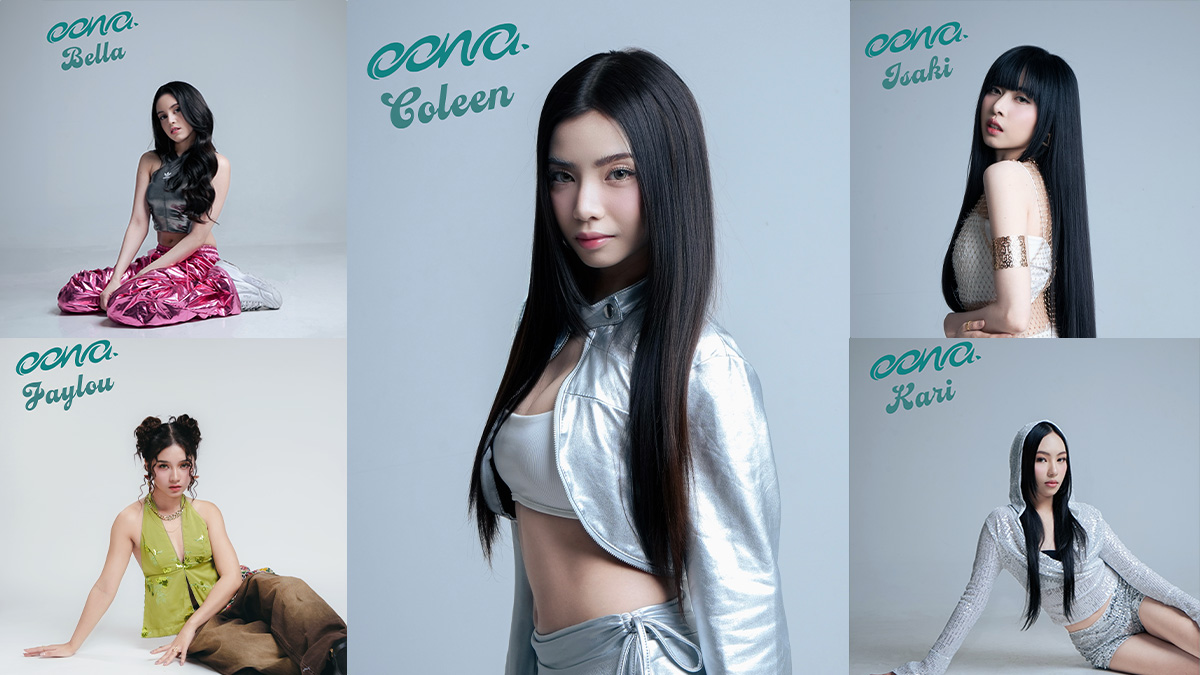
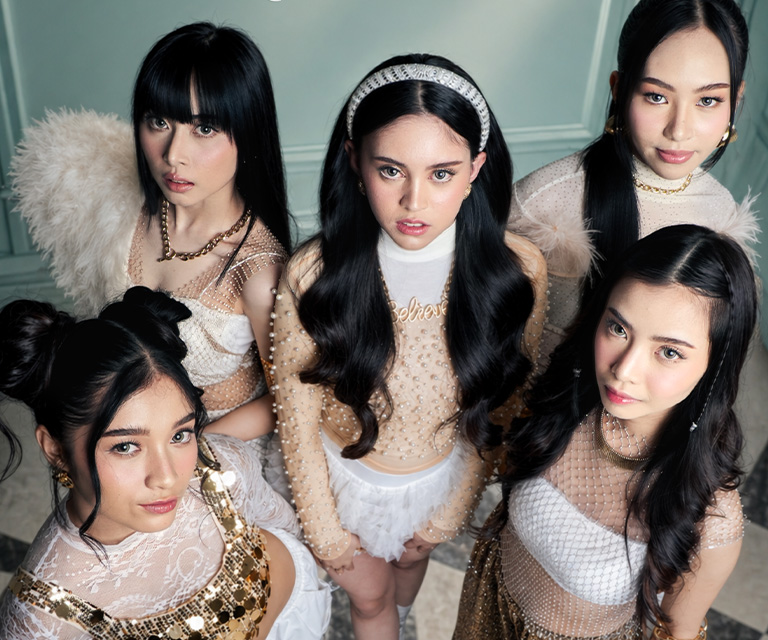
Now, newer acts are arriving in an industry that is still evolving but finally capable of sustaining them. Among those groups is Oona, a five-member ensemble composed of Isaki, Coleen, Bella, Jaylou, and Kari.
The group’s name comes from the wordplay “Be One” and “Una,” an idea that mirrors their dynamic: separate identities moving toward a shared rhythm. Unlike the polished uniformity that once defined many idol groups, Oona leans into contrast. Their chemistry is built less on sameness than on balance — soft voices meeting sharper cadences, restraint offset by theatricality, femininity paired with deliberate edge.
Debut and Emotional Transparency
Their debut single, “DARAMA,” arrives as both introduction and confession. The track centers on longing, ambition, and emotional uncertainty, tracing the interior lives of young women trying to survive an industry that demands constant visibility. Rather than presenting confidence as something effortless, the song lingers in vulnerability.
That emotional transparency has become one of the defining characteristics of contemporary P-pop girl groups. Earlier generations of performers were often marketed through spectacle alone: synchronized choreography, stylized appearances, and polished personas designed to feel untouchable. Today’s audiences seem to want something more intimate. They look for artists who narrate their own becoming in real time.
Sound and Aesthetic
Listening to “DARAMA” feels less like entering a performance than stepping into a late-night conversation. The production moves with a restrained gloss — airy synths, measured percussion, moments of softness that never fully collapse into sentimentality. There is a tension running beneath the song, as if the members are still negotiating who they are becoming.
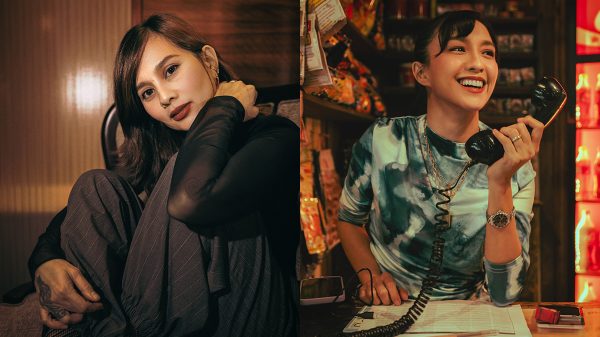
Even the group’s visual identity reflects this transitional energy. In photographs and performances, Oona often appears suspended between rehearsal and reinvention: dim backstage lighting, muted palettes, reflective expressions softened by flashes of glamour. Their aesthetic feels less interested in perfection than atmosphere.
A New Cultural Landscape
This newer generation of Filipina girl groups exists in a cultural landscape shaped equally by aspiration and exhaustion. Young artists are expected to perform constantly online while maintaining the illusion of ease. Yet groups like Oona seem aware of that contradiction. Their appeal lies not in appearing fully formed, but in allowing audiences to witness the process itself — the uncertainty, discipline, and emotional labor behind performance.
“DARAMA” may be a debut, but it also reflects the broader evolution of girl groups in the Philippines. What once existed at the margins of local entertainment has become a legitimate and expanding movement, one shaped by fandom culture, digital intimacy, and a generation of performers unafraid to treat vulnerability as part of the art form.
“DARAMA” is now streaming on Spotify.
Instagram: @oona.official_
TikTok: @oona.official_
Facebook: Oona
Read more Stories on Simpol.ph
Sony Music Philippines Unveils Diverse April Releases Lineup