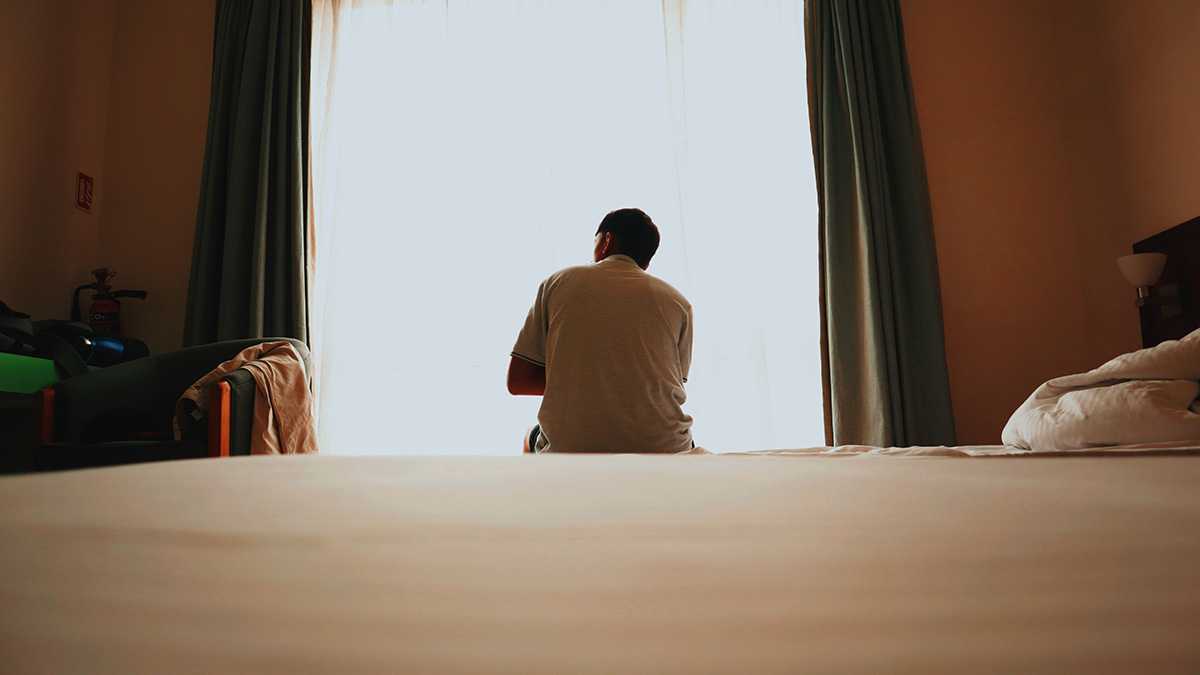
Upon having your midnight doomscrolling sesh, you’ve probably encountered this trend where people who live alone suddenly realize that they haven’t spoken a single word for a full day. It might seem like a dark, relatable meme online, but in the real world, thousands of remote workers and independent dwellers are suffering from extreme, silent social isolation.
Despite the undeniable perks of solo living, why does it seem like an isolating silence always manages to creep in?
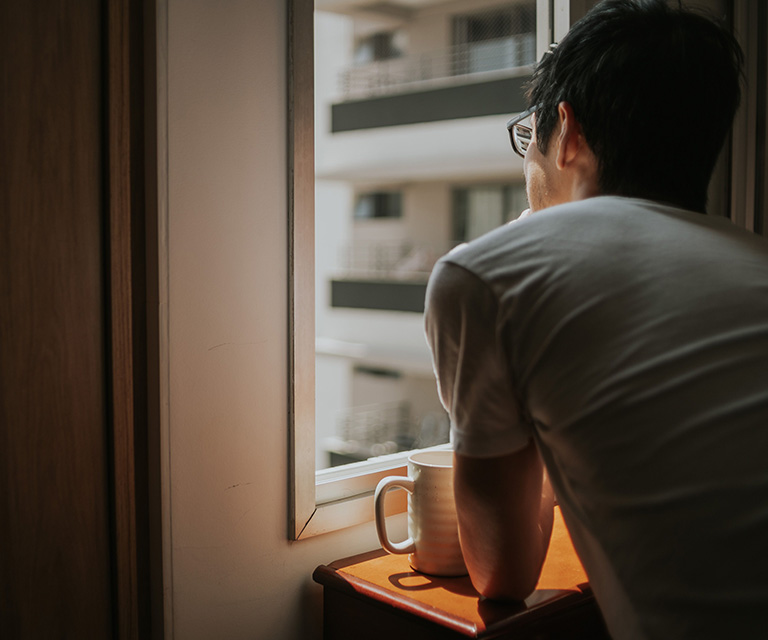
The Glamour versus The Quiet Reality
Social media often sells the digital nomad dream through filtered frames. Showcasing laptop setups overlooking turquoise oceans, sunset coffee sessions in some hidden cafes, and the absolute freedom of having no landlord or roommates to answer to.
However, when you strip away the polished Instagram aesthetic, independent living frequently leaves a hollow void. Eliminating natural communal routines such as casual kitchen chatter, spontaneous hallway catch-ups, or simply hearing another person in the next room. It allows an absolute, heavy silence to settle over daily life.
Sociologists often refer to this phenomenon as the hyper-independence trap. In the relentless pursuit of complete autonomy, nomads and solo dwellers inadvertently sever the natural friction points of daily life that normally force human interaction.
Without mandatory face-to-face contact, daily social skills slowly atrophy, and independence stops feeling like total freedom, gradually morphing into the quiet experience of living in an empty room.
What the Data tells
This internal experience reflects a documented global health crisis. According to the World Health Organization, loneliness is now recognized as a public health priority affecting roughly one in six people worldwide. While particularly prevalent among younger, mobile populations who move frequently for remote work, it also impacts approximately 11.8% of older adults.
Health experts continuously emphasize that chronic isolation carries physical risks comparable to smoking up to 15 cigarettes a day. Over time, prolonged solitude triggers elevated cortisol levels, degrades overall sleep quality, and impairs cognitive focus.
What begins as simple emotional isolation can quickly compound into weakened immune systems, persistent depressive moods, and a significantly reduced life expectancy.
The Absurdity of Digital Connection
This begs the question of why an isolating silence manages to creep in even when society is more digitally connected than ever. Digital nomads typically exist in a state of constant online communication, actively managing Discord channels, leading Zoom calls, and messaging across time zones.
The only time that I get to spill a word or two sometimes is when I receive calls from my workmates and friends.” said Jeff, a video producer in Quezon City.
You’ll learn how to entertain yourself in oddly stupid ways, just to not feel so alone,” he added.
However, functional digital exchanges lack the vital biological feedback of physical presence, such as eye contact, micro-expressions, and the comforting sense of shared physical space.
Furthermore, moving perpetually from one rented apartment or host city to another fosters inherently transient relationships. While it is easy to make casual coffee shop acquaintances or co-working contacts, these surface-level interactions rarely have the time to deepen into genuine, reliable support networks.
I have been living independently for four years, there are times where the only people I exchange words with are the building guards and delivery riders.” said Mary, a data analyst living in Makati.
It’s lonely, but you get to live with it, and eventually get used to it.” she added.
As a result, many remote workers find themselves constantly surrounded by people while remaining entirely alone.
Breaking the Silence and Finding Balance
Overcoming the solitude of independent living requires treating human connection not as something that happens by chance, but as a deliberate daily habit. One effective approach is seeking out consistent community spaces, such as neighborhood running groups, creative workshops, or familiar local cafes, where spontaneous interactions occur naturally over time.
Embracing small moments of real-world friction, like chatting with local vendors instead of relying entirely on delivery apps, can also help break the daily spell of silence.
Ultimately, independence is a valuable freedom, but human beings were never biologically built to exist in total isolation. Reclaiming emotional well-being begins with recognizing that seeking out real, grounded human interaction is not a compromise of one’s independence, but a fundamental requirement for staying mentally and emotionally healthy.
Read more Stories on Simpol.ph
Gen Zs at the desk: How Casual Humor kills Modern Workplace Burnout