In an era defined by rapid routines and mounting external pressures, the search for comfort and connection has become a priority for many Filipinos. Snacking, a cultural cornerstone of local life, is often viewed as a fleeting indulgence. However, industry leaders and health experts suggest that these small moments offer a significant opportunity for intentional living. By transitioning from mindless consumption to mindful snacking, individuals can better support their holistic well-being.
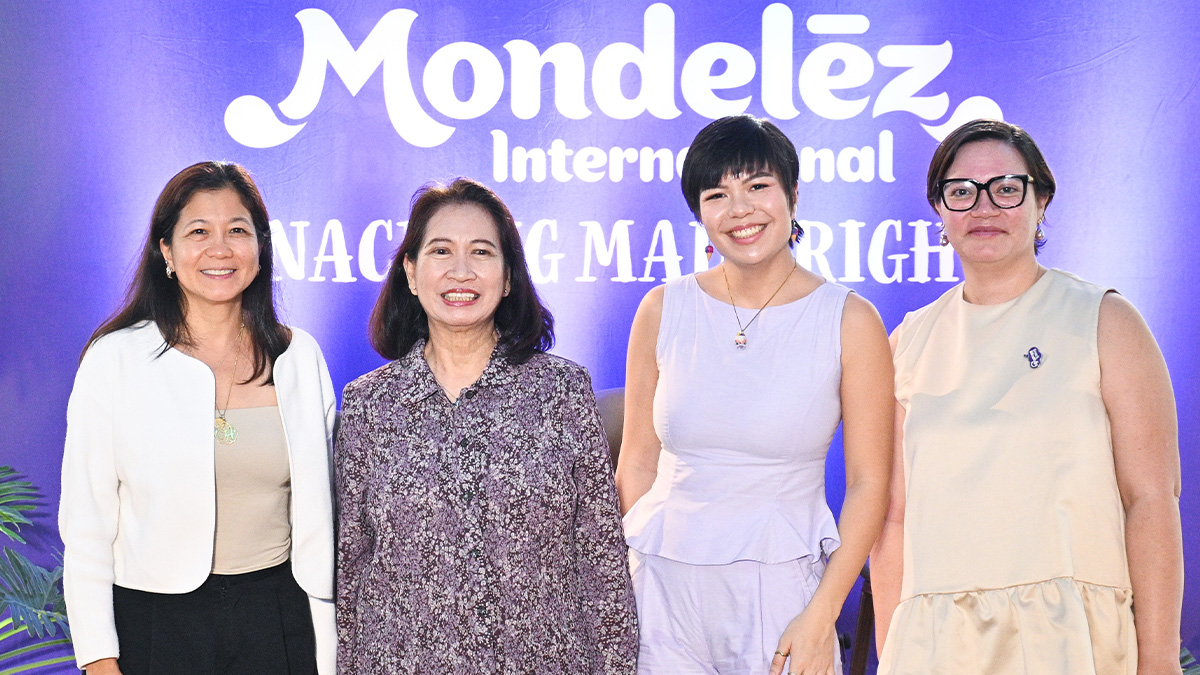
To address this shift, Mondelēz International recently collaborated with Jo Sebastian, a registered nutritionist-dietitian and content creator, to launch the “Snack na Swak” initiative. This program aims to empower consumers to transform their eating habits through presence, portion control, and a deeper understanding of nutritional data.

Defining Mindful Snacking
Mindful snacking is the practice of choosing and consuming food with deliberate attention and intention. Rather than acting as a distraction, snacking serves as a bridge between nourishment and enjoyment. This approach encourages a “sweet spot” where satisfaction meets health, fostering an increased awareness of both the quality and quantity of food intake.
For most, snacking is second nature—a quick refuel during a workday or a shared merienda with family. Because it is so deeply integrated into daily life, it serves as the perfect entry point for practicing mindfulness. By becoming more present during these intervals, consumers can turn a routine habit into a conscious act of self-care.
From Guesswork to Information
As Filipino consumers become more proactive about their health, the criteria for choosing snacks are evolving. While taste and convenience remain paramount, there is a growing demand for clarity regarding ingredients and portion sizes. Without proper guidance, the line between enjoyment and overindulgence often blurs; nutrition labels may go unread, and portioning often becomes mere guesswork.
The “Snack na Swak” initiative addresses this lack of clarity by focusing on three pillars:
- Label Literacy: Understanding the information provided on food packaging.
- Portion Control: Selecting appropriate serving sizes to maintain balance.
- Presence: Fully experiencing the flavors and textures of a snack without distraction.

Practical Application and the 250-Calorie Rule
During a recent workshop at Common Ground in Rockwell, Jo Sebastian led participants through the “Portion Puzzle,” a practical exercise in reading labels and creating snack combinations. The session highlighted a key recommendation from the Food and Nutrition Research Institute of the Department of Science and Technology (FNRI-DOST): a mindful snack should ideally remain within the 250-calorie range.
Arlene Reario, President of the Philippine Association of Nutrition (PAN), reinforced this message, noting that product innovation and clear packaging are essential tools for consumer empowerment. The consensus among experts is that balance does not require the elimination of treats; rather, it requires understanding how those treats fit into a total daily diet.
Savoring the Familiar
A mindful approach allows individuals to continue enjoying household staples—such as Oreo cookies, Cadbury Dairy Milk, or Tiger Energy Biscuits—without guilt. When consumed with intention, these familiar favorites contribute to a balanced lifestyle rather than detracting from it. Especially during times of uncertainty, maintaining control over these small, daily choices can provide a necessary sense of agency and comfort.
Through the synthesis of education and engagement, mindful snacking invites Filipinos to foster a more holistic relationship with food. By making informed decisions, every bite can truly be “Snack na Swak”—simple, satisfying, and intentionally enjoyed.
Read more Stories on Simpol.ph
Filipino Heart Health Guide: How Love, Food and Daily Habits Shape Us
She Matters: Advancing Women’s Health for a Stronger Society