In the quiet town of Hinigaran, as guava wood smoke rises from a clay pot where pork simmers slowly, Chef Don Angelo Colmenares prepares dinner. It’s a moment that captures the spirit of Negrense farm-to-table cuisine—deeply rooted, slow-cooked, and full of memory.
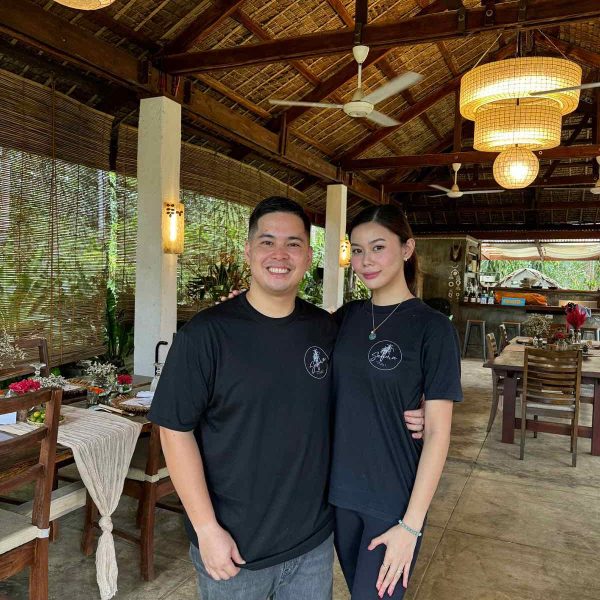
Don cooks not only for his guests but also for his ancestors, mentors, and the land that raised him. At Sauma Farm, Bar & Kitchen, the intimate dining space he built with his wife Kimberly, each dish carries a story. It’s a canvas for heritage—of carabaos and calesas, guinamos and batwan—that reconnects diners to their roots and reintroduces them to the quiet beauty of sustainable Filipino food.
How Sauma Tells the Story of Negrense Farm-to-Table Cuisine
A farm kitchen rooted in love and legacy
“Supporting local food means supporting local families—and that’s what drives our hyperlocal concept,” says Kimberly Colmenares. “At Sauma, we believe that good food starts at the source. By growing with our farmers, fishing with our locals, and serving straight from the land, we’re not just nourishing people—we’re nurturing the very community that feeds us.”
Kimberly is more than a co-founder—she’s the creative force behind Sauma’s aesthetic, edible garden, and storytelling. “She pushed me to open on the farm,” Don recalls. “At first I was unsure if the concept would work in Negros, but she saw the potential.”
As creative manager, she shapes everything from branding to the layout of the dining spaces. “If a dish isn’t Instagram or Facebook quality, I change the plating,” Don says. She’s also the green thumb behind Sauma’s edible garden, overseeing a monthly rotation of herbs and flowers that enrich both plate and palate.
The edible garden: where flavor and sustainability grow
Kimberly’s monthly planting calendar ensures the herbs, microgreens, and edible flowers used at Sauma reflect the seasonal rhythm of Negrense farm-to-table cuisine. It’s a system that celebrates freshness, beauty, and intention.
Why Negrense Farm-to-Table Cuisine Matters More Than Ever
From theory to kitchen: Chef Don’s homecoming journey
Before Sauma, Don was on a different path—studying Political Science, headed for a conventional career. But the kitchen called louder. After training at Enderun Colleges in Manila, he began fusing classical French techniques with the bold, earthy, and sour flavors of Negros.
Returning home during the pandemic didn’t just reconnect him to his roots—it revealed his voice. Together with Kimberly, he transformed family farmland into a deeply personal dining concept: Sauma.
Local limitations as creative inspiration
“There are limits to what we can get locally,” Don admits. “But that’s not a disadvantage. It pushes us to be creative.” Ingredients like batuan, guava, Indian mango, and santol are no longer just pantry staples—they become foams, ferments, powders, and glazes.
The menu changes monthly, shaped by what’s in season and what the land provides. That’s the heart of Negrense farm-to-table cuisine—cooking in harmony with nature, not in spite of it.
Signature Dishes That Tell the Story of the Land
Pancit Molo, kinilaw, and pork with jackfruit—reimagined
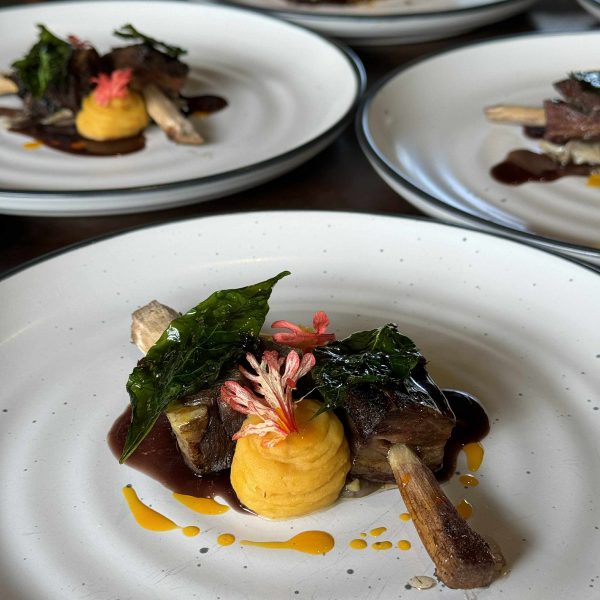
Sauma’s signature plates tell edible stories—combining tradition with technique, nostalgia with elegance.
The deconstructed pancit molo arrives in a carved wooden bowl, its bone marrow consommé giving off a soft, savory perfume. Each dumpling melts into the broth, rich with garlic, ginger, and memory. Kinilaw is served in coconut shells, its calamansi foam fizzing over raw fish, bracing and bright. In another dish, jackfruit espuma gently blankets pork shoulder stewed in a reduced kadyos broth—a playful nod to the classic KBL, now layered with finesse.

Seasonality drives every menu decision
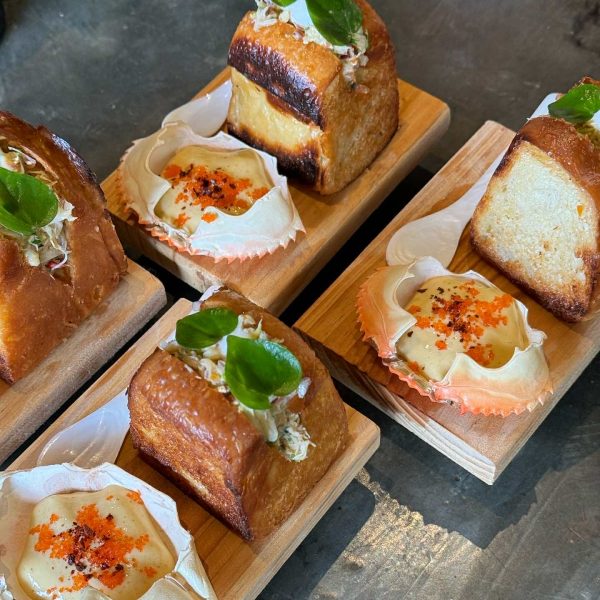
From santol-glazed chicken in the dry season to a comforting malunggay-native corn soup during the rains, each month reflects what’s freshly harvested or caught. The ingredients are hyperlocal: blue crab from Cadiz, squid ink from Sipalay, guava from their backyard, and kadyos from a neighboring farm.
Handled with respect, love, and skill, even the most modest ingredient can deliver a transcendent experience.
A Restaurant That Feeds Community, Not Just Diners
A rural dining experience like no other
At Sauma, guests can catch their own tilapia, pick herbs from the edible garden, and even ride a carabao through the fields. It’s more than a meal—it’s a return to the source.

“Cooking here, it’s not just technique anymore,” Don says. “It’s emotional. Ancestral. It’s everything I thought I had to leave behind—but now, I get to plate it beautifully.”
Feeding the soul through farm-to-table connections
As a sitting municipal councilor, Don launched feeding programs and cooking workshops during the pandemic. Today, Sauma continues that mission—hiring locally, sourcing from neighbors, and mentoring young cooks.
The farm isn’t just where the food comes from—it’s part of the dining experience. Sauma is a space where local knowledge, cultural memory, and creativity all meet on the plate.

Chef Don in his element: The open kitchen at Sauma is his playground and canvas—where Negrense ingredients meet technique, memory, and a touch of magic.
Looking Forward: Sauma as a Culinary Research Lab
Elevating Negrense flavors for the global stage
To Don and Kim, Sauma is more than a restaurant—it’s a research hub. Each ingredient they rediscover, each technique they experiment with, adds to their evolving philosophy of Negrense farm-to-table cuisine.
“We’ve barely scratched the surface of what Negros can offer,” Don says. “And we want the world to know about it.”
In a time when Filipino cuisine is finding its way onto global menus, Sauma offers something both timely and timeless: a story of love, land, and the power of coming home.
His advice to young Filipino chefs? “Do your research, hone your skill, work hard—and most of all, respect the produce. The best dishes are often the simplest.”
Plan Your Visit to Sauma
Location: Hinigaran, Negros Occidental
Experience: Edible gardens, hyperlocal menus, hands-on dining
Follow: Sauma Farm, Bar & Kitchen on Instagram and Facebook
Pro Tip: Reserve ahead—this isn’t just a restaurant. It’s a memory waiting to be made.
Also read: A bowl of culture