For most households, rice is more than a staple; it is the foundation of daily meals. Knowing how to cook rice properly at home can make a significant difference. Getting it right affects taste, texture, and even how satisfying a dish feels. Understanding how rice behaves helps reduce wasted effort, improve consistency, and elevate simple meals without additional cost or complexity.
For readers, this is about making everyday cooking more intentional. Small changes in technique can immediately improve results, especially in a country where rice is central to nearly every table. With some attention, you can master the best way to cook rice at home properly.
From Habit to Awareness: Rethinking Rice Preparation
Rice preparation is often treated as routine—rinse, measure, cook, and serve. Yet as more home cooks refine their kitchens, attention is shifting toward details that were once overlooked. Water ratios, resting time, and rinsing methods are now recognized as factors that directly shape quality. For anyone interested in how rice is cooked properly at home, focusing on these elements changes outcomes greatly.
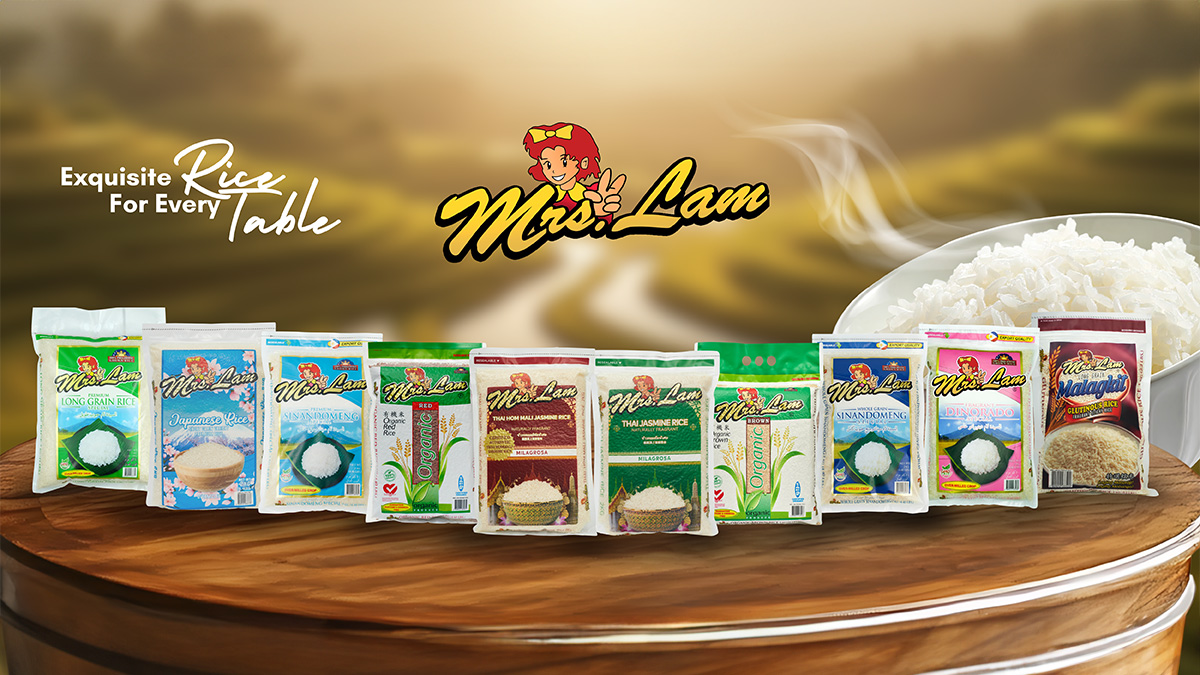
Mrs. Lam’s guide highlights this shift: rice is not uniform, and treating it as such limits its potential. Each grain variety carries its own structure and behavior, requiring slight but meaningful adjustments.
Grain by Grain: Understanding Rice Varieties
Dinorado: Soft Aroma, Flexible Texture
Dinorado rice is known for its mild fragrance and tender grain. When freshly harvested, it performs best with a near 1:1 rice-to-water ratio. Adjustments depend on preference—less water for firmness, slightly more for softness. A short resting period after cooking allows the grains to settle and separate naturally, improving texture without additional steps. Additionally, home cooks should pay attention to the process of cooking rice properly at home for optimal results.
Thai Jasmine: Light and Fragrant Separation
Thai jasmine rice is defined by its aromatic profile and delicate texture. It cooks best when lightly rinsed once to preserve fragrance and prepared using a balanced water ratio. When done properly, the grains remain distinct while maintaining a soft bite, making them suitable for both simple and rich dishes. Genuine mastery in the kitchen comes from knowing how to cook rice at home properly and adapting to the rice you’re using.
Japanese Rice: Structure and Precision
Short-grain Japanese rice requires more attention. It must be rinsed thoroughly until the water runs clear, then soaked for around 15 minutes before cooking. The result is a cohesive, glossy texture designed for dishes where rice is meant to hold together rather than separate. This attention to detail is vital if you want to know how to cook rice properly at home.
The Changing Nature of Rice Quality
Rice is not static. Fresh harvests retain more moisture and require less water, while older stock becomes drier and needs adjustment. This shifting behavior explains why the same method can yield different results over time. Cooking rice well, therefore, is not only about instruction but also observation. For those who cook rice at home, learning how to do so properly is part of that observation process.
Consistency Through Fresh Sourcing
Mrs. Lam emphasizes freshness to reduce variability in cooking outcomes. By providing recently harvested rice, the process becomes more predictable, allowing home cooks to focus less on correction and more on consistency.
“Once we started using freshly harvested rice from Mrs. Lam, the difference was immediate. The texture was more consistent, and we stopped guessing water levels every time,” shared a home cook during early product feedback sessions.
The Evolving Role of Rice in Everyday Meals
As households become more intentional with food preparation, rice is no longer seen as a passive ingredient. It becomes part of a broader effort to improve everyday eating experiences. Learning the proper way to cook rice at home helps reduce inconsistency and improve satisfaction with meals that are already part of daily life.
From Kitchen to Table: Small Adjustments, Noticeable Results
Improving rice preparation does not require advanced tools or complex methods. It relies on awareness of grain type, moisture level, and timing. These subtle adjustments create noticeable differences in texture and flavor, reinforcing the importance of understanding what is often taken for granted. In short, learning the steps for how to cook rice properly at home is the key to better meals every day.
Read more Stories on Simpol.ph
Carinderia Culture: Feeding a Nation, One Budget Meal at a Time
Marikina Eats: Trining’s Radical Kindness Amid Philippine Energy Crisis