If you are planning to move into a place of your own or upgrade from a rental unit, Pag-IBIG Fund has made a significant policy shift.
The agency officially raised its maximum housing loan limit per borrower from its previous cap up to ₱10 million.
Big News: Pag-IBIG Adjusts Its Housing Loan Limits
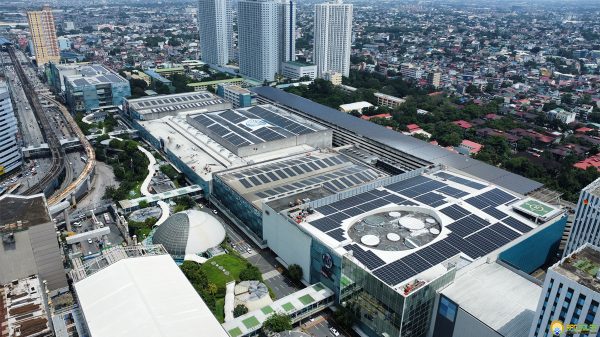
This adjustment is aimed at young professionals and middle-income earners looking to secure properties in Metro Manila and other highly urbanized areas.
Where real estate prices have steadily increased.
For many workers, local property costs in prime urban spots have historically outpaced previous government loan caps, often leaving renting as the only viable option.
By expanding the available financing, the updated program aims to make transitioning from renting to homeownership a more practical option.
Allowing individuals to direct their monthly housing expenses into long-term property equity.
Understanding the Financial Adjustments
The updated loan structure introduces different tiers depending on your housing needs.
For buyers looking into the socialized housing segment, Pag-IBIG is maintaining its subsidized 3% interest rate to ensure basic affordability remains intact.
However, for individuals looking at larger units or ready-for-occupancy condominiums near major business districts, the ₱10 million ceiling offers more room to maneuver.
Under these guidelines, qualified borrowers can access home financing plans with repayment terms stretching up to 30 years, which helps distribute the principal cost into more manageable monthly payments.
The interest rates for these higher loan amounts start at 5.75% a year, depending on the specific fixing period you choose. Compared to typical commercial bank financing, these rates remain highly competitive and offer a stable alternative for long-term budgeting.
The Practical Requirements and Next Steps
While the higher limit opens up more options, the application process involves strict regulatory checks. Pag-IBIG emphasizes that the ₱10 million cap is not a standard approval amount.
Every application remains strictly subject to a comprehensive credit evaluation, a formal collateral appraisal of the property, and verified capacity-to-pay requirements to ensure borrowing stays within sustainable limits.
Additionally, housing officials are using this policy shift to encourage real estate developers to better align their pricing with actual consumer capacity. By expanding government financing, the agency is urging developer-partners to offer more reasonable packages that fit the actual income brackets of working Filipinos.
When property prices, borrower capacity, and institutional financing align, securing a home becomes a much more achievable milestone for urban professionals.
Read more Stories on Simpol.ph
Are we Filipino enough yet? The accessorised reality of modernized culture in local brands
From Vinyl to Victory: Offshore Music looks back on a Decade of Indie Integrity
A Table That Doesn’t Rush You: Inside La Spezia’s Quiet Italian Rhythm in Quezon City