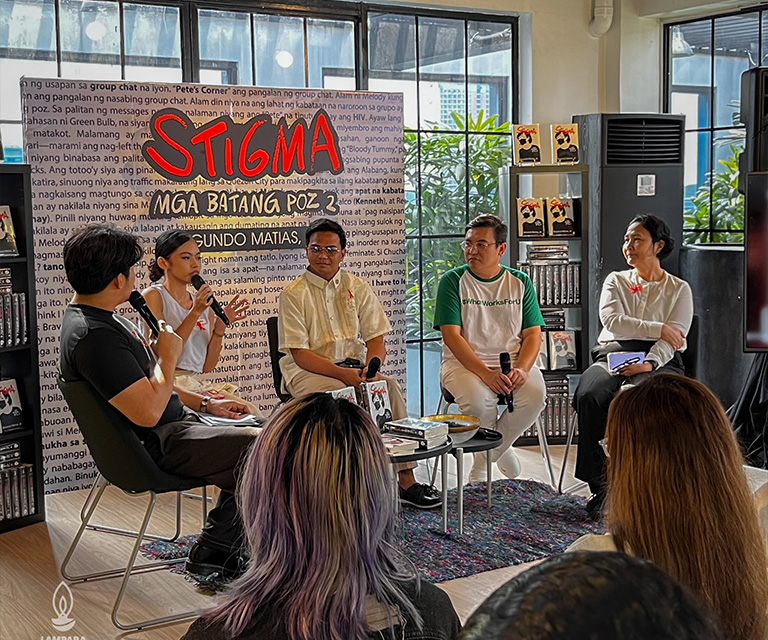
Award-winning author Segundo Matias Jr. returns to the world of Mga Batang Poz with the release of Stigma: Batang Poz 2. The first book became the Philippines’ pioneering young adult novel on HIV and later inspired the 2019 iWant miniseries. Seven years later, the sequel arrives at a time when HIV cases among Filipino youth are still rising, and many teens continue to navigate stigma alone. The story lands in a landscape where conversations about HIV, sexual health, and mental well-being are still difficult to have at home, in school, and even online.
A Teen at the Center of Two Stigmas
The sequel introduces Melody, a fifteen-year-old who joins a group chat called “Pete’s Corner,” an online support group for teenagers living with HIV. Melody is also pregnant, placing her at the intersection of two stigmas that young Filipinos continue to face. The group chat becomes her refuge, a place where she can ask questions, express fear, and find comfort from peers who understand her situation.
Her story reflects the realities many Filipino teens deal with today. They seek information online. They hide their struggles from their families. They turn to digital communities because real conversations remain rare. Through Melody’s exchanges with returning characters from the first book, the novel shows the mix of fear, humor, longing, and resilience that shape the experiences of poz youth in the country.

A Writer Focused on Clarity and Care
His background in TV, film, and children’s storytelling helped shape his straightforward, accessible style. In Stigma: Batang Poz 2, he places accuracy and clarity at the center. He provides simple but essential information about HIV, PrEP, testing, and protection. He explains that many Filipino teens still lack reliable guidance on sexual health, and this gap places them at greater risk.
Matias says the impact of the first novel continues to guide him. Health hubs and youth organizations have told him that more teens sought testing after reading Mga Batang Poz. This made him even more committed to writing a sequel that informs without preaching, and comforts without sugarcoating.

A Relevant Story for Filipino Families
The sequel matters because stigma remains one of the strongest barriers to early testing and treatment. Many young Filipinos still fear being judged by their own families. Schools often struggle to address sexual health consistently. As a result, many teens try to make sense of their bodies and relationships without proper guidance.
A book like Stigma: Batang Poz 2 helps fill those gaps. It gives teens a story that reflects their reality. It gives parents and educators a way to start conversations they often delay. And it reminds communities that HIV is a health issue, not a moral judgment. The novel also highlights how online life has changed youth behavior. Teens build friendships and support systems in digital spaces, but they also face misinformation and harassment. The book treats this online world with honesty and nuance.

Strong Early Praise
Early readers highlight the book’s clarity and courage. Essayist Wifredo Pascual praises Matias for revealing the emotions behind silence and denial. Poet-scholar Charlie Samuya-Veric commends the sequel for pushing Filipino YA literature into important, often avoided topics. Author Mark Angeles notes the book’s accurate portrayal of online youth culture and alter communities.

Their responses reflect what readers have long recognized in Matias’ work. He writes with empathy. He listens to the young. And he uses storytelling as a way to help teens feel seen, understood, and safe.
Stigma: Batang Poz 2 will be available soon.
Read more Stories on Simpol.ph
In the Quiet: Filipino Men, Mental Health, and the Conversations We Avoid
“Ate, Andito Lang Kami”: How Digital Sisterhoods Are Transforming Filipina Mental Health Support
This Cebuano Teen Solves 400 Cubes a Day—and He’s One of the Fastest in the World