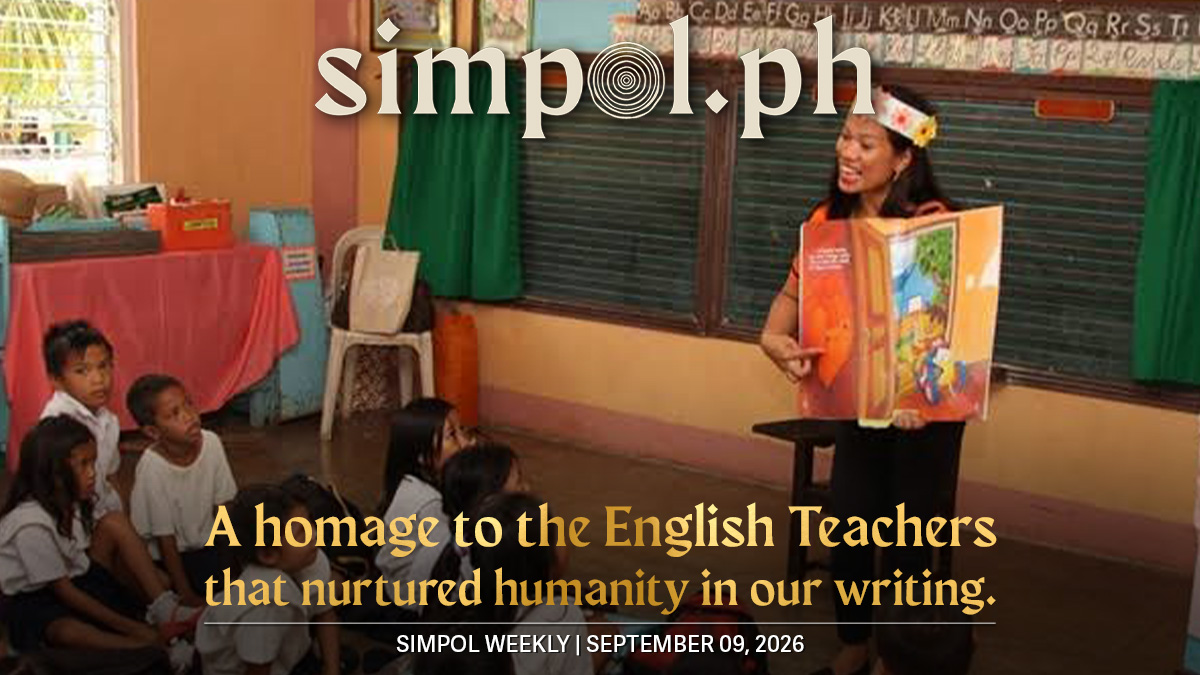
Gone are the simple days when we celebrated essay assignments in high school.
For many students, an essay task seemed easy. However, it was actually an opportunity to reflect and share personal views. Back then, we engaged deeply with meaningful topics. Consequently, every interest, dream, and social stance found expression through our writing. Writing became a clear avenue to be heard. As a result, even the most stubborn classmate sat up straight to carefully craft their handwriting on a neat paper.
Long before Palanca, Cinemalaya, or any prestigious writing workshops held our pens, our English teacher was already there.
She was the very first mentor to guide our writing.
Moreover, she patiently took the time to care for our messy thoughts and understand our young minds.
Our Oral Lore As Pinoys
Filipinos have long been known for a rich oral culture. Naturally, we are born storytellers through chants and music. Over time, we brought that same passion to written words.
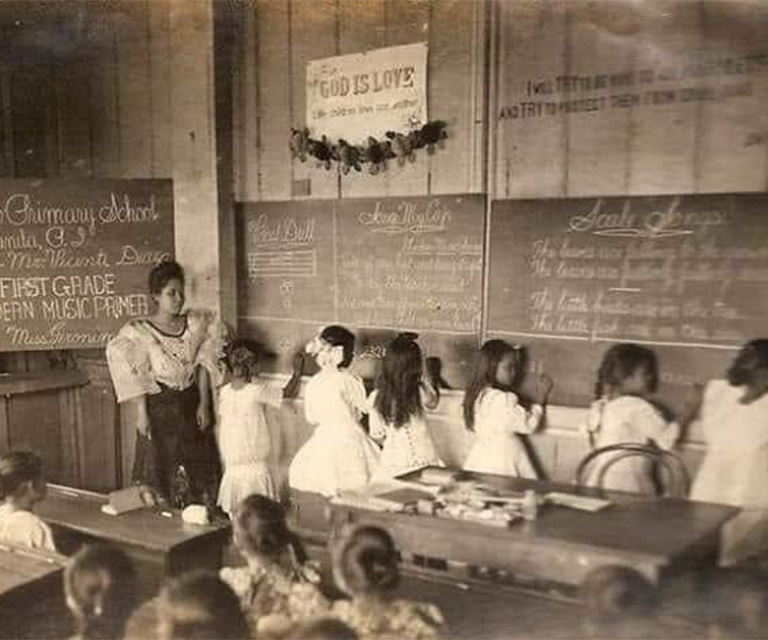
Indeed, successful writers frequently credit their English teachers as their first writing mentors. But why is that? The historical connection runs deep. Surprisingly, the first English public school teacher was a Filipina. In 1900, seventeen-year-old Maria Salome Marquez took a crash course in English from an American named Rigger. Within six months, she mastered the language. Shortly after, she was assigned to teach in public schools in Santa Ana and Paco, Manila, earning $35 a month.
Today, Filipinos who excel in English receive praise for their command of the language. Consequently, many work in outsourced industries that specialize in foreign English communication. In a casual prompt interview on Filipinos being an outsourced worker, working student and tutor Andrea Alcaraz shares:
Sa mga SEA countries, especially sa Korea, ‘yan. Gusto nila pinoy yung magtuturo ng english kasi magaling talaga tayo sa lenggwahe, in general. From our native language, tagalog, to english.”
Furthermore, she adds:
Hindi lang sa tatas ng pananalita eh. pati yung sensibilities kasi nila, nakukuha natin.”
Hope, Projected To The ‘Prodigy’
Today’s challenging economy often forces personal dreams aside.
Naturally, everyone wants to succeed on a large scale. Yet, only a few get lucky. Meanwhile, many teachers take a practical path. Nevertheless, they continue honing their storytelling artistry by mentoring promising students.
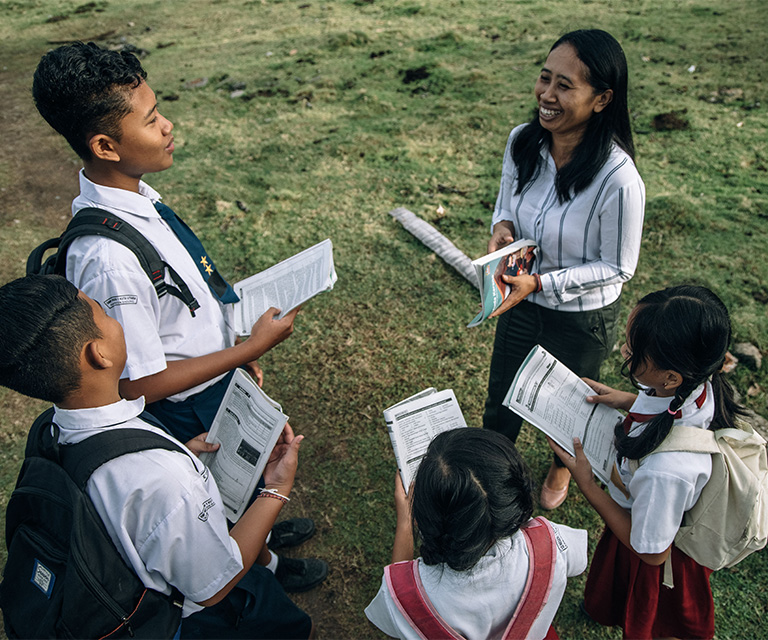
For example, in Malolos, Bulacan, La Consolacion University alumnus Miguel Dolores recalls his English teacher, Ma’am Theresa Mora. She reviewed his early essays and scripts during his highschool days. Today, Miguel actively participates in the literary scene and prestigious workshops. In response, Miss Mora still likes his Facebook posts whenever he achieves creative milestones. Miguel notes:
It’s not that these teachers have the frustrations. It’s more of hope. Yung hope na nakikita nila sa mga bata na natuturuan nila na someday, they will make it big.”
In the end, this contribution is shared equally. Behind many great writers stands an English teacher who once shared that same dream of becoming a novelist.
Keeping The Humanity Alive
In his book Kulang Na Silya, a noble Filipino screenwriter wrote:
Noong bata tayo, wala namang nagtaas ng kamay at sinabing, pangarap kong maging writer”
This quote critiques societal standards that prioritize practical jobs over creative endeavors. Ultimately, we were taught that dreaming must be practical. Society urged us to dream, but never too high.
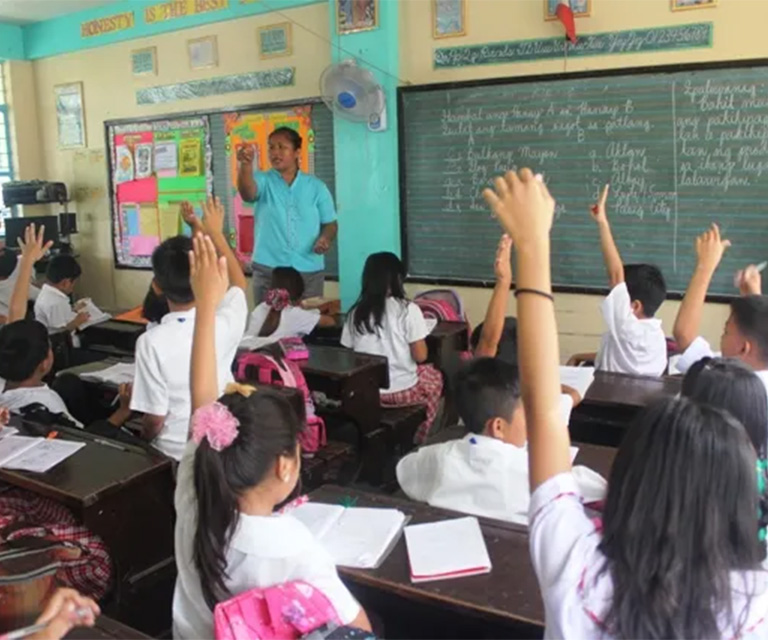
Despite these expectations, special people still enter our lives to nourish our humanity. This is especially true in art and writing. Furthermore, writing serves as a vital medium of communication that rekindles our lost humanity. Today, we face an AI revolution and widespread automation. Consequently, we are no longer just competing with each other. Instead, we are facing institutional forces that artificialize our feelings, work, and truth.
Therefore, during this National Teachers’ Month leading up to World Teachers’ Day on October 5, take a moment to celebrate. Reach out and reconnect with the English teachers who persistently reminded you to remain human.
Read more Stories on Simpol.ph
What’s Left In Our Homes When The Flood Drains Down
The Raging Puddles Of Unsafe Roads: It’s Time For Accountability