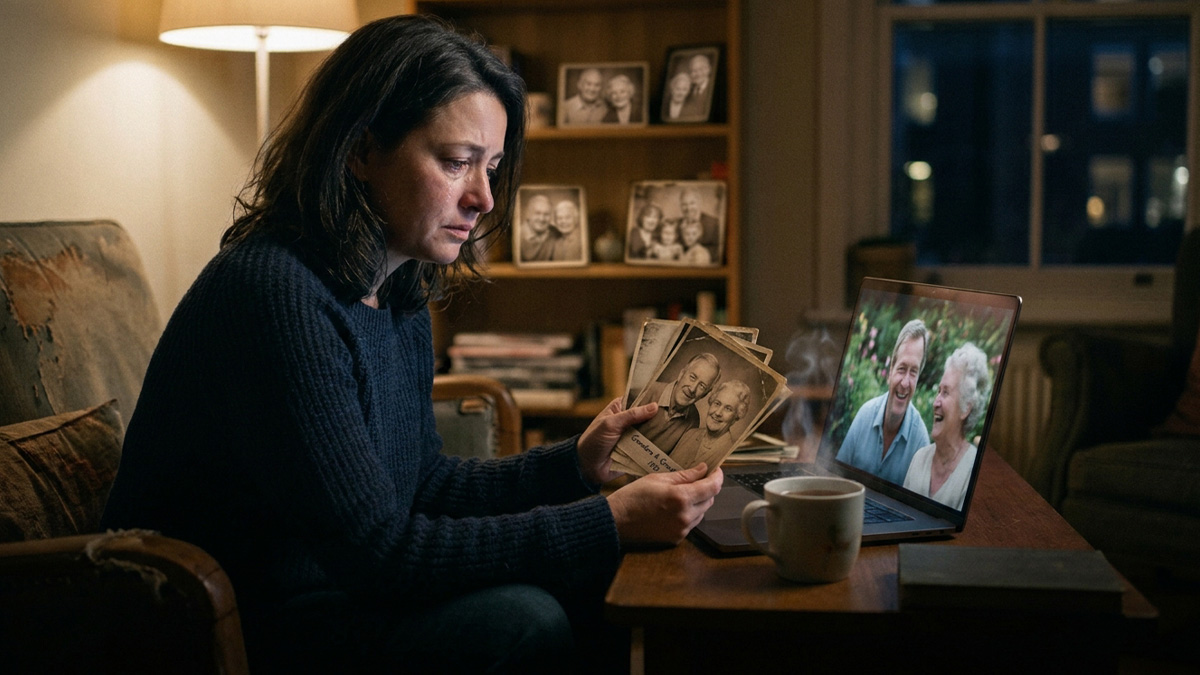
I’ve seen a lot of people posting images of their departed loved ones this All Saints’ Day using artificial intelligence. Some restored old photographs, bringing faded faces back into focus. Others created pictures of themselves standing beside family members who passed away long ago. Some even generated videos showing themselves embracing deceased parents, spouses, children, and pets, recreating moments that could never happen again.
These images are touching yet unsettling, revealing how technology has begun reshaping how we remember those who are gone. But AI is moving beyond static photos and imagined reunions. Several companies are developing systems that allow people to converse with digital simulations of deceased loved ones. Using photographs, text messages, voice recordings, and personal histories, these platforms generate responses that imitate how someone once spoke or behaved.
What happens when AI allows us to converse with simulations of the dead?
Still Part of the Family
Human societies have always maintained relationships with their dead. Across cultures and eras, people have developed elaborate rituals to remember, honor, and sometimes communicate with ancestors. From ancestral offerings to family portraits, the deceased have long occupied meaningful places in the social worlds of the living.
In the Philippines, Undas illustrates this enduring bond. Families visit cemeteries, clean graves, offer prayers, light candles, and gather to share stories about relatives who have passed away. These practices are more than religious obligations; they reaffirm family connections and collective memory, reminding us that death does not erase someone’s place within a community.
Psychologists refer to this as continuing bonds: the recognition that emotional relationships with deceased loved ones often persist long after their physical deaths. Far from requiring people to sever ties with the dead, maintaining meaningful connections can help individuals accommodate loss. Remembering familiar expressions, revisiting shared experiences, or speaking privately to someone who has died can provide comfort without preventing acceptance.
Technology has gradually become interwoven with these practices. Photographs preserved faces, recordings retained voices, and social media transformed memories into digital archives. AI adds a new dimension by allowing us to generate synthetic representations of those who are no longer alive.
An AI-generated photograph of someone embracing a deceased parent depicts an event that never happened. Yet it expresses something emotionally authentic: the profound longing for that embrace. Crucially, these static images remain under our control. We choose when to look at them, and they do not look back.
A Voice That Sounds Familiar
A photograph preserves an image; a recording reproduces a voice. Neither creates a new conversation. Generative AI, however, introduces something fundamentally different: it transforms remembrance from a largely passive experience into an interactive one.
These technologies, sometimes called griefbots or generative ghosts, use personal data to construct interactive simulations of deceased individuals. Drawing from text messages, emails, and voice recordings, they mimic familiar patterns of communication through text, synthesized speech, or animated avatars.
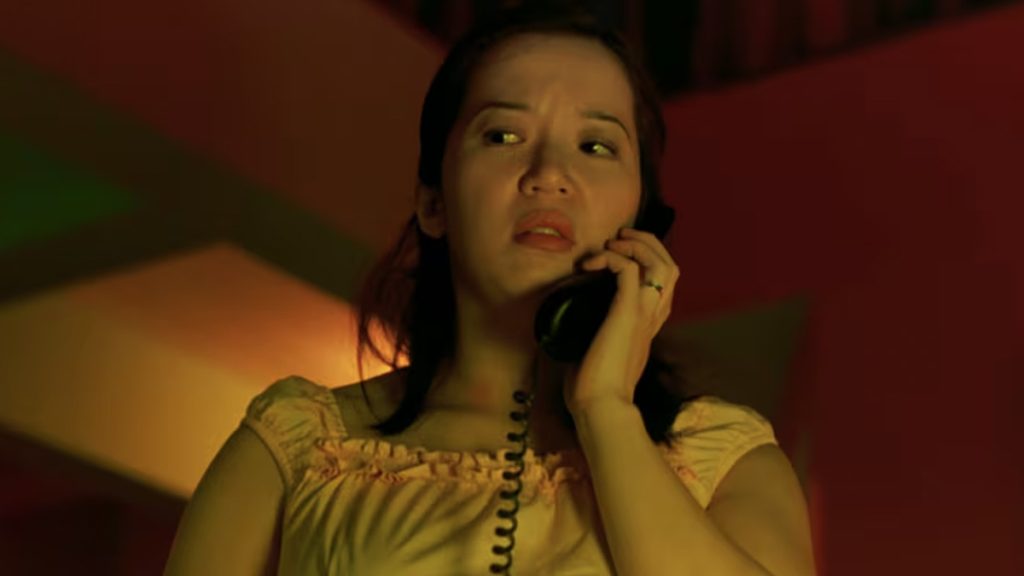
Imagine receiving a late-night message from a simulation of your mother that correctly recalls a childhood pet and her signature sign-off, yet gradually offers advice she never gave in life. For someone grieving, hearing a familiar voice respond or reading a message written in a distinctive style might encourage reflection or help articulate unspoken feelings.
The Limits of Digital Remembrance
Yet the psychological and ethical implications remain uncertain. While these systems reproduce recognizable mannerisms, they do not restore the consciousness, experiences, or intentions of the deceased. Their responses are algorithmically generated, meaning they can introduce statements, memories, or opinions the actual person never expressed.
This distinction becomes critical if users begin treating simulations as genuine continuations of their loved ones. Emotional attachment to an interactive ghost could complicate mourning for some individuals, particularly when the system encourages them to experience the simulation as an ongoing relationship.
There are also serious questions surrounding posthumous data sovereignty and consent. Most text messages, voice notes, and photographs were created without the expectation of posthumous simulation. The deceased rarely left instructions about how their digital information should be used or what their avatars should say.
Who owns someone’s conversational persona after death? What happens when corporations commercialize these interactive ghosts behind subscription paywalls or discontinue services that grieving families have come to rely upon?
Human identity is not merely a dataset of speech patterns and remembered behaviors. It emerges through embodied experiences, social relationships, and cultural contexts that digital records cannot fully recreate. An algorithm may convincingly imitate someone we remember, but resemblance must not be confused with identity.
One More Conversation
The AI-generated photographs and videos shared during Undas remind us that relationships with loved ones rarely end when their lives do. We continue remembering their faces, imagining their responses, and wishing for moments we can no longer share.
Digital ghosts extend this human experience into unfamiliar technological territory, offering simulated conversations with those whose absence we continue to feel. Whether these tools support or complicate mourning will depend on how they are designed, understood, and integrated into our lives.
We should approach them with both compassion and caution, addressing genuine emotional needs without confusing algorithmic simulation with continued existence.
Perhaps the most unsettling thing about artificial intelligence is not what it might eventually become, but what it can already make us believe: that someone who is gone is somehow still here.
Read more stories on Simpol.ph
Patterns Found, Meaning Pending
Who Decides What Is True? AI and the Future of Science
Klara Is Not Here Yet: Care, Companionship, and Artificial Intelligence