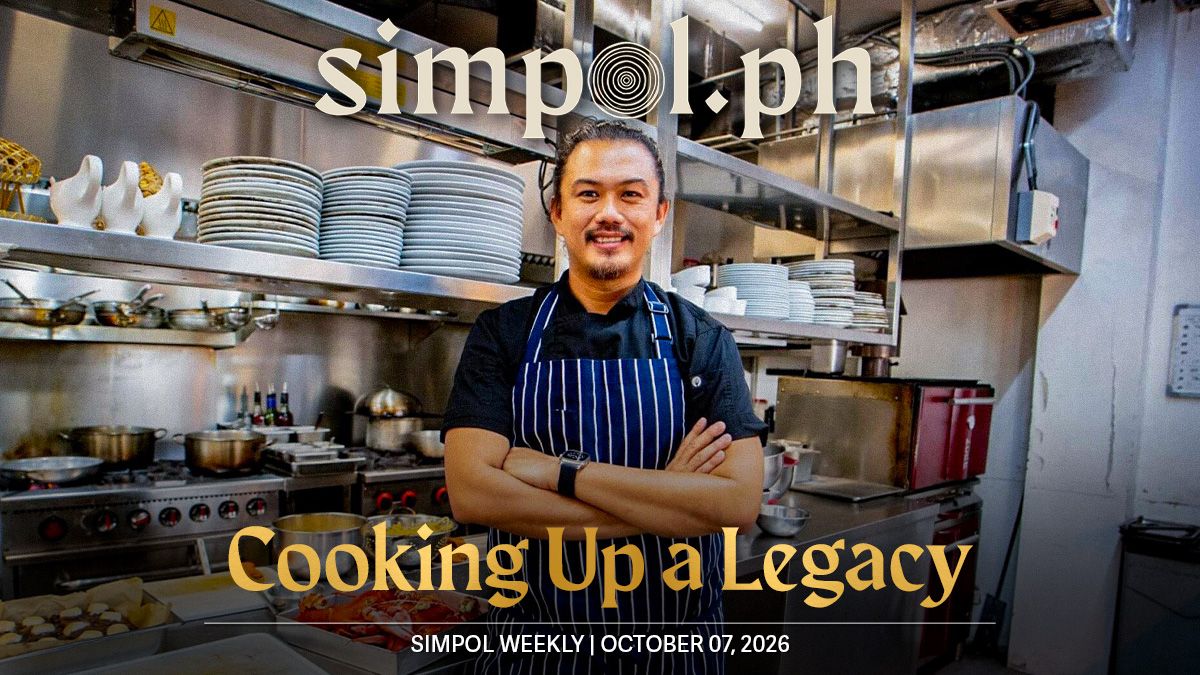
For Chef Kalel Chan, a long and enduring career is built on three pillars: people, purpose, and perseverance.
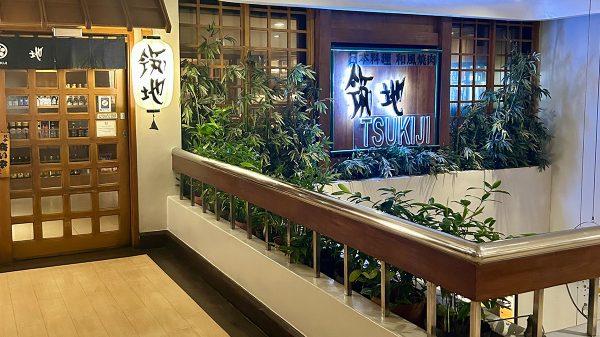
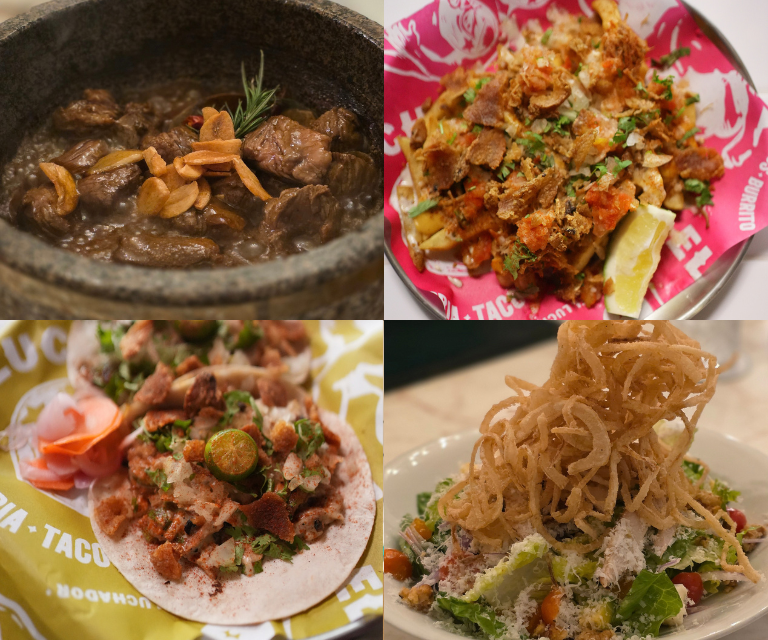
Today, he serves as the Corporate Chef of Raintree Restaurants, a leadership role he has held for nearly two decades. At the same time, he manages his own independent concepts, including Lobby 385 in San Juan and El Luchador, a Mexican restaurant he describes as a more personal and fun project.
However, the culinary path was not always obvious to him.
“I didn’t know I was meant to be a chef,” Chan recalls. “I was cooking na talaga eh. Pero I didn’t know na yun pala yung path ko.”
After studying Hotel, Restaurant, and Institution Management, Chan found himself searching for direction. Even then, food had always surrounded him. Growing up in La Union, his family managed businesses in the tobacco industry, as well as a restaurant and a mami house with dedicated cooks who prepared meals for employees.
Because of this, Chan spent much of his childhood immersed in a kitchen environment. That early exposure would eventually leave a lasting mark on the way he viewed food and the people behind it.
“I was exposed in that kind of environment, sa food talaga,” he says.
Learning by Watching
From an early age, Chan learned an important lesson about the food industry: respect the people around you.
He remembers growing up alongside cooks who each brought unique specialties to the table. One mastered sweet and sour dishes, while another could cook almost anything. Meanwhile, a third brought Western techniques picked up from the former US Air Base.
“Imagine mo, those kind of people na kasama ko everyday. Nakatambay ako sa kitchen everyday with them,” he reflects.
More than memorizing recipes, Chan learned the art of observation.
“It’s really respect for people. Even above or under you,” he says. “Just listen. Just watch.”
In turn, that mindset carried directly into his professional career.
His serious journey as a chef took off after a friend posed a confronting question: “Anong balak mo sa buhay mo?”
That question stayed with him. Soon after, he joined M Cafe in Greenbelt, then headed by Chef Sau del Rosario, who became one of his key mentors. There, in a high-pressure kitchen, Chan finally realized he had found his calling.
“I enjoy the stress. I enjoy the pressure. I enjoy everything,” he recalls.
From Micromanaging to Leading
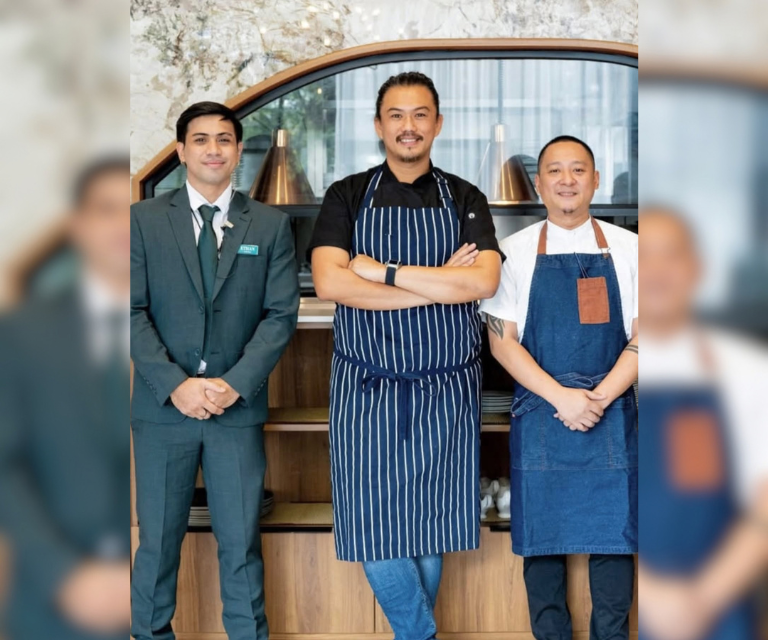
As his career progressed, Chan faced another challenge: learning how to lead.
The early years demanded resilience. At first, he focused on managing individual stations. Eventually, however, he found himself overseeing entire kitchens and, later, multiple restaurants. Along the way, he learned that being a great chef required more than simply being the fastest person on the line.
However, managing multiple venues came with its own pressures. At one point, the workload left him on the verge of exhaustion.
“I feel that magbe-breakdown na ako,” he admits.
As a result, that near-burnout forced him to rethink his approach to leadership.
Instead of trying to control every detail, Chan learned to step back, delegate trust, and allow his team room to make mistakes and learn from them.
“Right now, I’m handling multiple restaurants. So you have to have trusted heads,” he explains. “And then you have to delegate.”
Over time, his leadership style also evolved. Influenced initially by the hard-edged, fear-based kitchen culture of his early days, Chan eventually adapted his approach to fit a multi-restaurant operation.
“You have to change your leadership style,” he notes. “Ngayon, it’s more open.”
Today, leadership for Chan means trusting his co-leaders and creating a safe environment where teams can troubleshoot problems without fear. Ultimately, he believes that giving people room to grow makes a stronger organization.
Redefining Success
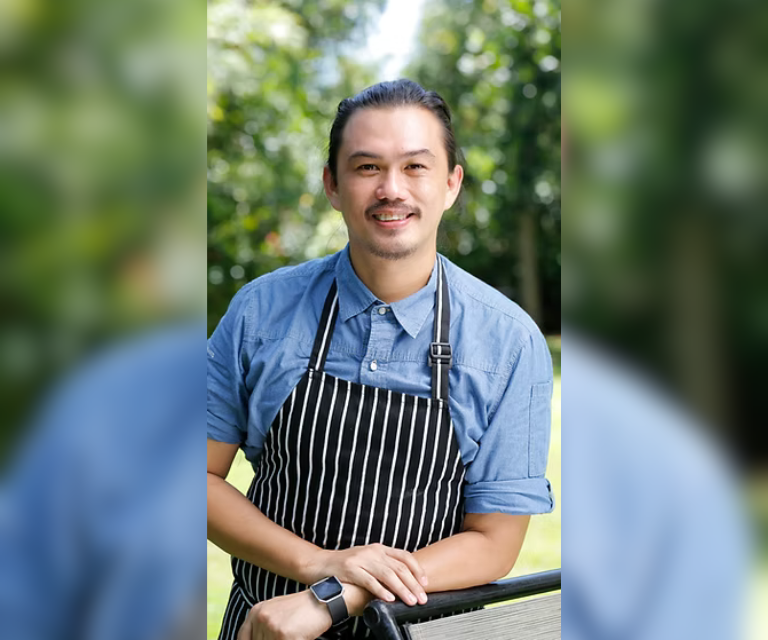
Over the years, Chan’s definition of success has also evolved. Early in his career, success meant achieving the title of executive chef. Today, however, the metric is far more meaningful.
“The success is in how can you keep the restaurant afloat,” he says.
Still, survival is only part of the equation. True success is also measured by the people he has helped shape along the way.
“If yung mga nag-work under you na nakikilala na ngayon, mayroon na restaurants na gano’n, yun yung definition ko talaga ng success.”
For Chan, watching his protégés establish themselves is the legacy he hopes to leave behind. In many ways, their growth reflects the lessons he has learned throughout his own career.
A Sense of Place
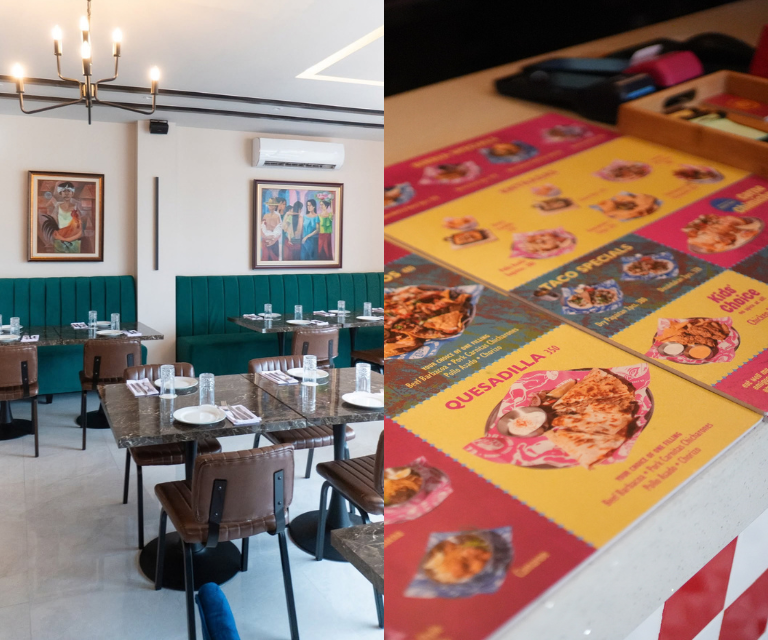
Meanwhile, decades in the industry have taught Chan another important lesson: food must harmonize with its surroundings.
When opening restaurants outside Metro Manila, he believes chefs must first understand the local culture before finalizing a menu.
“Sometimes you have to have a sense of place,” he explains. For that reason, his strategy is simple: become a guest first.
“I have to be a guest first before ako maging chef,” he says.
By doing so, Chan can understand what diners actually want to experience and connect with when visiting a particular destination. Rather than imposing a concept on a place, he believes chefs should first listen to the community and observe its culture.
Ultimately, it is a philosophy that goes beyond any single cuisine. The destination itself can help shape the concept, the menu, and the experience.
Grit Before Everything
For young people entering the food and beverage industry, Chan boils his advice down to three essentials: grit, passion, and a sense of community. Above all, if he has to emphasize just one, it is grit.
“It’s really grit,” he says. “Yun yung number one.”
For Chan, aspiring chefs must embrace the process and avoid shortcuts.
“Start from the bottom. Work your way up.”
After all, the bottom is where kitchens truly make sense. It is where young cooks observe, make mistakes, build discipline, and learn to understand the people they will one day lead.
“Observe, be humble,” he advises.
Ultimately, after years in an ever-changing industry, Chan’s primary driver is legacy. Beyond titles and restaurant openings, he is motivated by what he can sustain and, most importantly, by the people he can help elevate.
In the end, his journey from an uncertain young cook to an industry leader is a reminder that careers are not always built from a clear plan. Sometimes, they take shape through experience, persistence, and the willingness to keep learning.
“You have to inspire yourself,” he says. “Siguro, yun yung parang pinaka inspiration ko.”
Read more stories on Simpol.ph
Women Are Always Holding Things