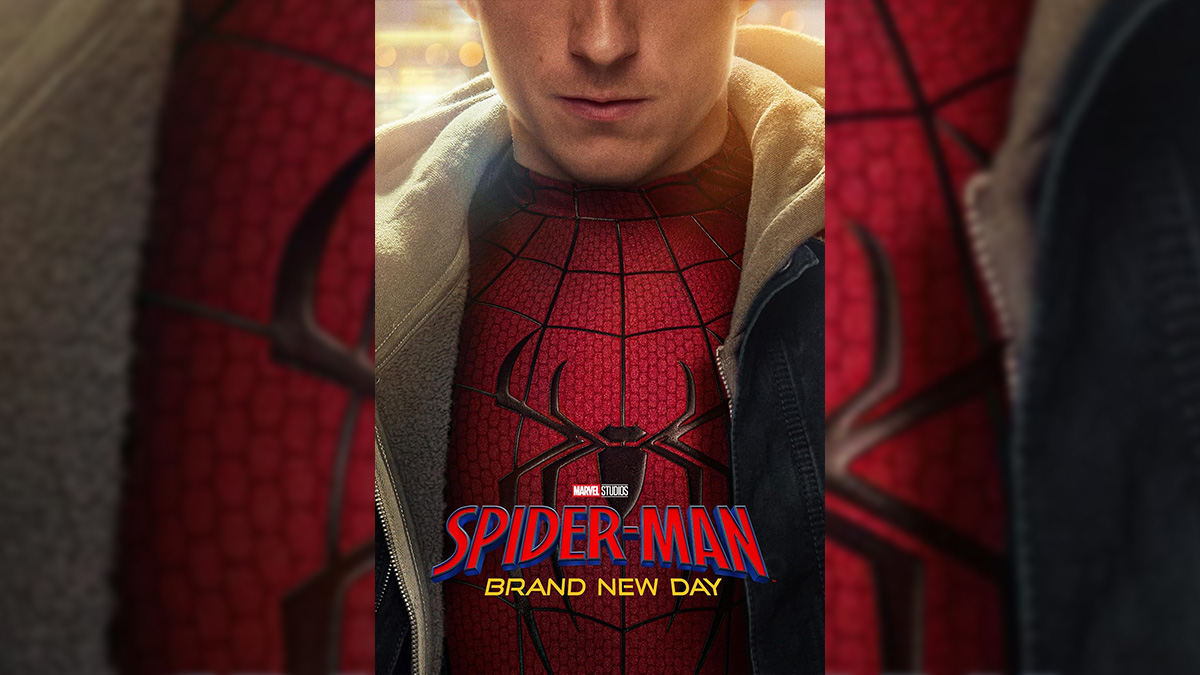
I grew up on stories of superheroes. These larger-than-life characters have transformed into something akin to ancient myths, adapted for modern times. They go on adventures many of us can only dream of having, defeating their villains in bombastic ways, and by the end of their journey, they have gained more than they have lost. Many of these stories focus on physically overcoming the odds, trading in grit and blood to save a world that is doomed.
But the best Spider-Man stories don’t focus on these themes.
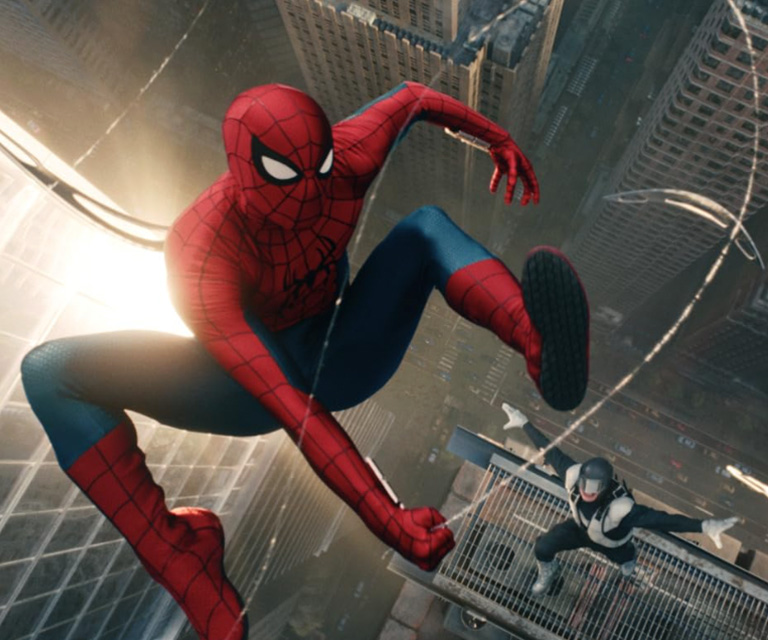
Spider-Man is at his best when battling everyday, relatable struggles: loneliness, grief, and the burden of responsibility. This is the direction director Destin Daniel Cretton took in Spider-Man: Brand New Day.
A New Status Quo
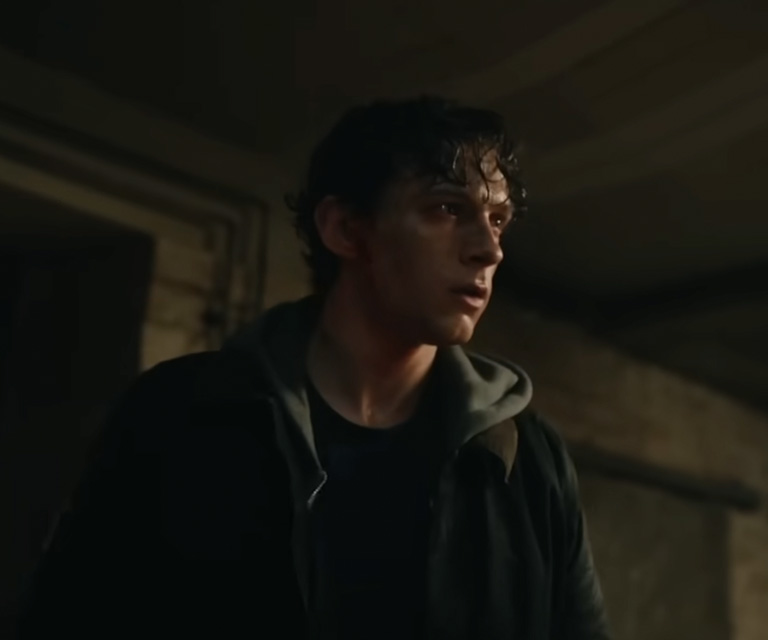
Following the events of Spider-Man: No Way Home (dir. Jon Watts), the status quo has been reset. No longer having the safety net provided by the Avengers, Peter Parker (played by Tom Holland) must navigate a world that’s forgotten him, but has embraced his alter ego. Far removed from the high-end, billion-dollar tech or his superpowered friends, he patrols the streets as the friendly neighborhood wall-crawler, solving street-level crime with the help of the NYPD.
Right from the get-go, we learn a crucial thing about Peter in this chapter of his life: he is lonely. His whimsical high-school days have been replaced with what’s essentially work. He maintains a cheerful attitude, and it endears him to the people of New York. But behind closed doors is a man with no life outside the mask. He’s depressed, stuck in routine, and going through the motions. He spends his downtime watching his friends grow and move on without him.
Hidden beneath the crazy action scenes and stunning fight choreography is a deeply human story about loneliness and the desire for connection: two things that seem to be opposite of one another.
Loneliness and the Desire for Connection
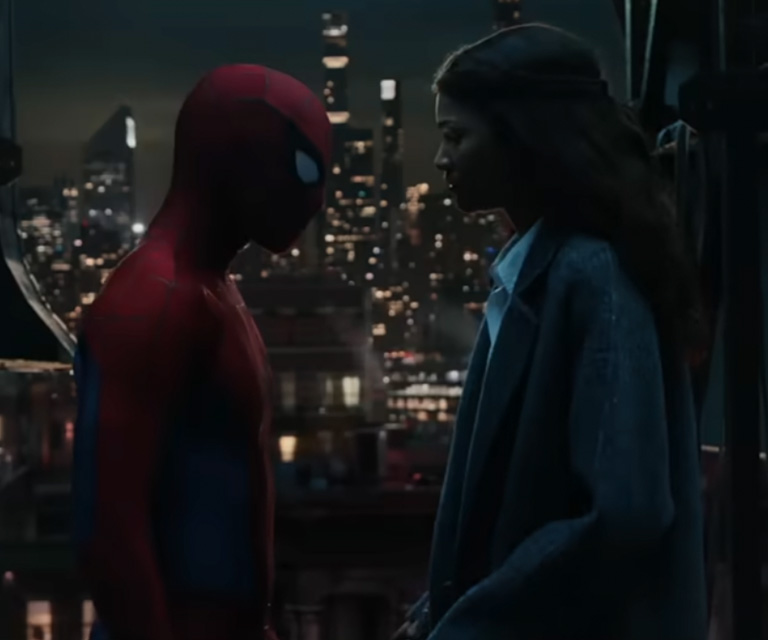
People are complicated. It’s in our nature to desire connection — friends, family, lovers, and everything in between. And yet, despite that desire, we also fear it. To connect deeply is to open yourself up to hurt and regret. Many of us decide whether to seek it or fear it for the better part of our lives.
Peter stays alone because he thinks it’s the best way to protect those he loves. Unless you’re a crimefighting superhero with a secret identity, “protecting the people I love” isn’t a reason why you choose to be alone. If connection opens us up to pain, and we choose to be alone, then the only person we are protecting, and hurting in the same way, is ourselves.
It’s easy to say these things in retrospect, but it is only in retrospect where we can fully understand how we punish ourselves. Lonely people have crafted a very intricate mask, one that resembles their faces, but not one others can look into. They guard that mask with their lives because it shields them from the pain they think they can’t endure. When tears form on the fabric, they scramble to repair it.
At the end of the day, the mask becomes suffocating. Just like Peter, the mask comes off when they’re with their lonesome — and the desire to connect, or to reconnect, is still there.
The Grief Over What’s Lost
There’s a Spider-Man for every generation in every media. He’s characterized by many things, whether it’s his costume, his quippy dialogue, or his relentless perseverance. I’d argue that what makes him a timeless icon, however, is his relationship with grief.
His story begins with the death of a loved one. From this point on, he’s only been tested time and time again. Cretton’s film explores this way more than the previous trilogy did. The movie holds up a mirror to its audience, forcing them to look, and asking them what they grieve for.
Grief is a consequence of connection. For one reason or another, we will lose this connection. More often than not, one side is left clinging onto the thread, refusing to let go. How often have you wished for more time, longed for who someone used to be, or felt like letting go was impossible?
Grief is a consequence of connection, yes, but it’s also evidence that we have lived. That we let others into our lives. That we have fond memories on which we look back. To choose to be alone, is to deprive ourselves of that profound happiness.
It is in our grieving that our desire for connection grows. When grief is not tempered with company, it manifests as frustration. And when frustration is not tempered with kindness, it manifests as self-destruction, whether we like it to or not.
Peter spends his time in the movie trying to keep his grief at bay, refusing to even acknowledge it. But when his frustrations start to bubble up to the surface, it becomes a force he can no longer ignore.
The Responsibility is Ours
With great power, there must also come great responsibility.”
These are the iconic words said to Peter by his uncle. In the Marvel Cinematic Universe, this line was given by Aunt May (played by Marisa Tomei). Regardless of who said it, the effect remains the same.
These are Peter’s guiding words, one that he lives by both as himself and as Spider-Man. The film injects a level of hope into Spider-Man. To give hope to others is a responsibility to him. He saves pedestrians from rolling cars, and doesn’t forget to reassure them that they are safe. He sees the potential for redemption even in the main antagonist of the film (a detail I will not spoil for you). Ironically, the beacon of hope he wants to be for others is one that he deprives himself of, and this hopelessness starts to transform him — making him more rageful, careless, and brutal.
His unchecked emotions directly led to innocents being injured.
The burden of responsibility rests heavily on his shoulders, just like it does ours. We are responsible not just for ourselves, but for others whenever we can. When we are burdened with something this heavy, our knees buckle and give out. All of that weight crushes us, pins us to the pavement, and keeps us there.
If that is the case, then isn’t it also our responsibility to look after ourselves in the healthiest of ways?
What Spider-Man Teaches Us
When loneliness, grief, and responsibility hurt us, how do we heal from that pain? Spider-Man doesn’t just give us one answer — he gives us two.
The first step is to let others in. Yes, easier said than done. We will struggle, and even fight to keep the mask on. But when our desire for connection overpowers the weight of the mask, lifting it up and letting the right people in will help us lift the weight off of everything else. But then, how do we know if we’ve found the “right” people? Or the “right” circumstances to remove our masks? In the wise words of Peter B. Parker from another Spider-Man movie, Spider-Man: Into the Spider-Verse: “You don’t. It’s a leap of faith.”
The second step is acceptance. We accept the good along with the bad. We don’t need to choose if we’re someone going through the motions, or if we’re someone others can rely on. We are both. We can choose to help others, even when we’re in need of help ourselves. And when we let others in, we have all of our bases covered.
As Aunt May puts it in this movie: “The people who love you love you not because you’re special. We love you because you’re you. I want you to remember that. Even when it feels like you’re totally alone, that’s your deepest responsibility.”
Therapy Disguised as a Superhero Film
With the release of this film and Thunderbolts* (dir. Jake Schreier), there is a trend of MCU superhero films as being more than just big-budget franchise blockbusters.
Both films explore loneliness, grief, and human connection through main and supporting characters alike. Each story follows emotionally complex characters as they confront their inner demons and grow through the journey.
Spider-Man: Brand New Day disguises itself as therapy for its featured heroes, not just Spider-Man himself. Sadie Sink’s character, Jon Bernthal’s Punisher, and Mark Ruffalo’s Bruce Banner all manage to contribute to the themes the movie wants to express.
Cretton understands that heroes are idealized versions of ourselves — what we wish we could be. To see them struggle with the things we do, and overcome them not with might but with willpower, our admiration for them only grows, and perhaps, motivates us to become better versions of ourselves.
Read more Stories on Simpol.ph
Obsession: Blurring the Lines Between Love and Infatuation
The Doomscroll Apocalypse: Linda Walker and The Digital Reality in portrait mode