

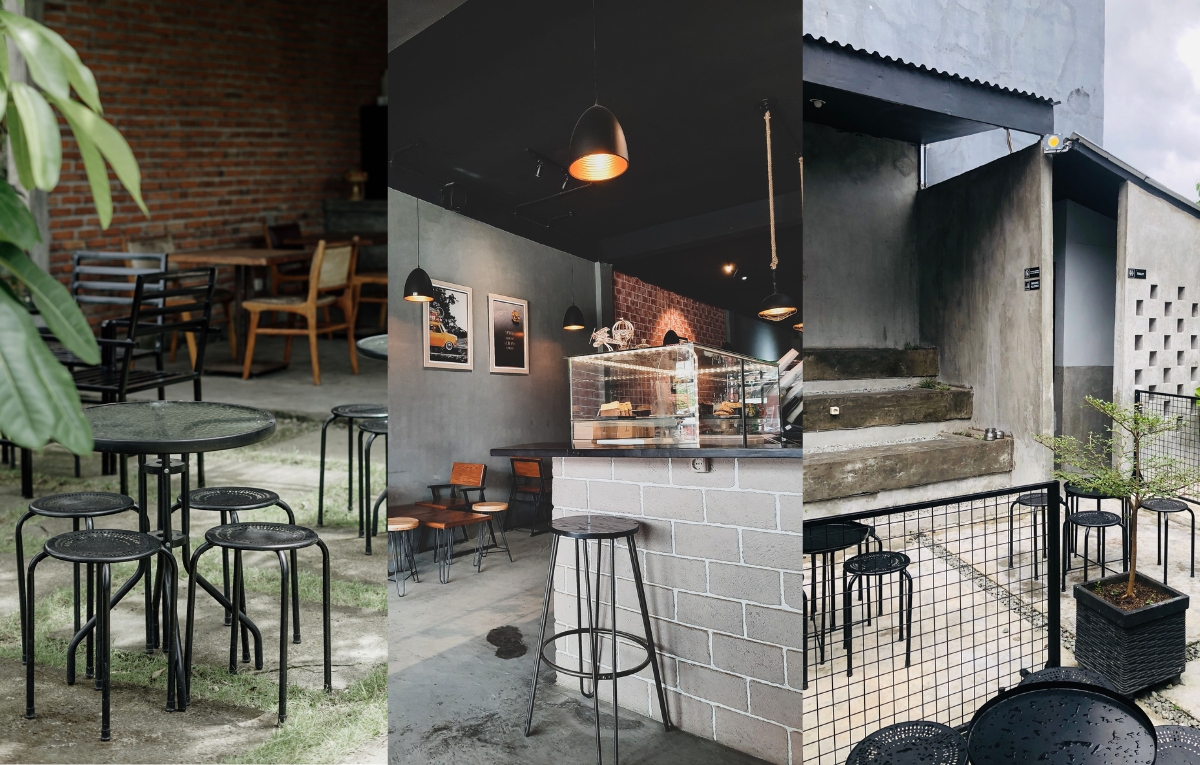
You step inside expecting the comforting embrace of roasted coffee beans and dark mahogany, but instead, you are greeted by what looks like a sophisticated bomb shelter.
The walls are bare, micro-cement grey. The lighting emanates from a single, naked LED strip suspended by an almost invisible wire. You look for a chair with a cushion, but your choices are restricted to a backless concrete cube or a stainless-steel bench that looks like an operating table. The menu, printed in 8-point sans-serif type on a clipboard, lists a P250-peso oat milk latte under the heading “White.”
Over the past decade, this bleached, Scandinavian-meets-Japanese aesthetic has achieved total dominance. From anywhere, coffee shops look less like local neighborhood hubs and more like sterile set pieces for an IKEA showroom.
While this design was once celebrated as a calming antidote to urban chaos, a quiet backlash is growing. Customers are starting to ask:
Why is everything washed out, and why does sitting here feel like an exercise in endurance?
How Coffee Lost Its Personality
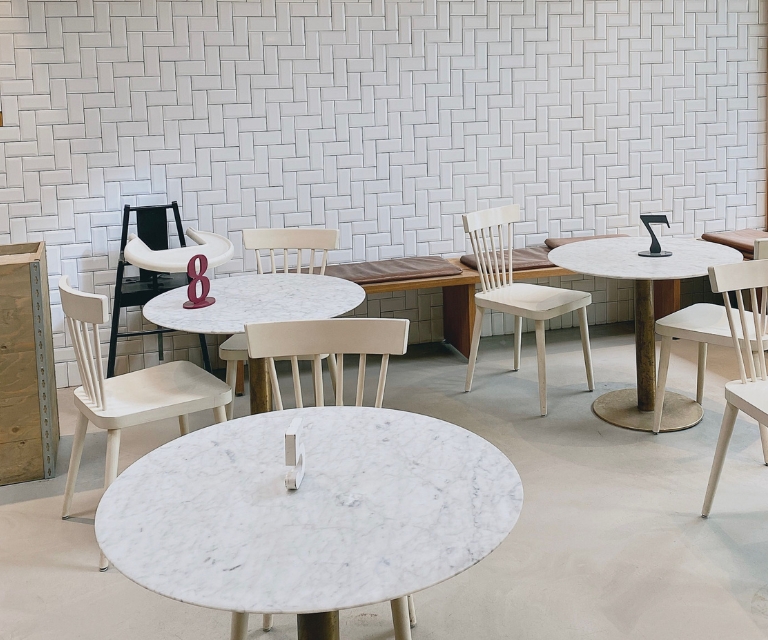
To understand how coffee shops became so monochromatic, you have to look at the rise of “Third Wave” coffee during the late 2000s and 2010s. As coffee evolved from a cheap morning utility into a craft product comparable to fine wine, cafe owners sought a design language that reflected this elevated status.
Minimalism was the perfect vehicle. Clean lines, pale woods, and neutral palates communicated precision, purity, and clinical attention to detail. The message was clear:
We take the science of extraction seriously here.
In the 1990s, coffee houses embraced a warm and eclectic “Central Perk” charm, defined by plush sofas, rich dark wood, and intentionally mismatched mugs. However, by the 2000s, this welcoming clutter gave way to a slicker corporate industrial design that favored exposed brick, dark steel accents, and ambient Edison bulb lighting.
Ultimately, that industrial edge has evolved into the present-day situation, where the remaining warmth is swapped for polished concrete, stainless steel, and stark white paint to create an ultra-modern, stripped-down atmosphere.
However, what began as an authentic design choice quickly mutated into a corporate shortcut. As Instagram and TikTok began dictating interior design, coffee shop owners realized that light-colored, clutter-free spaces provided the ideal backdrops for photos. A white table makes latte art pop on a screen. An unvarnished grey wall makes an outfit look editorial.
The aesthetic went viral, and with it, regional charm vanished. Today, an independent coffee shop in Berlin looks virtually indistinguishable from one in Seoul or São Paulo.
The Hostile Architecture of the Modern Brew
The fatigue around these spaces isn’t just aesthetic; it is physical. The minimalist trend has increasingly overlapped with hostile design. The subtle art of making spaces uncomfortable enough that people don’t linger too long.
Modern coffee shop design has increasingly prioritized operational efficiency over customer comfort, creating an environment that actively discourages lingering. This shift begins with an acoustic nightmare. As minimalist spaces favor hard, non-porous surfaces like concrete floors, metal chairs, and bare glass windows, without soft furnishings, carpets, or curtains to absorb sound, the clatter of an espresso portafilter bounces around like a gunshot. Forcing patrons to shout just to hold a quiet conversation.
Compounding this sensory issue is a deafening ergonomic offense, where backless stools, razor-thin metal chairs, and awkwardly tall tables are intentionally deployed making seating just uncomfortable enough to ensure customers drink, take a photo, and leave within thirty minutes.
To top it off, power outlets have quietly vanished from whitewashed walls. Sending an unmistakable signal to remote workers that their laptops, and their extended stays, are no longer welcome.
When you strip away comfort, a cafe stops being a “third place”. That essential societal realm outside of home and work where people gather to socialize and unwind becomes a transactional assembly line.
The Rise of “Beige Fatigue”
Human beings are wired to seek warmth, texture, and variety. The cultural backlash against hyper-minimalism is part of a broader reaction against what design critics call “flattening“. The tendency of global algorithms to make restaurants, hotel lobbies, and home interiors look identically bland.
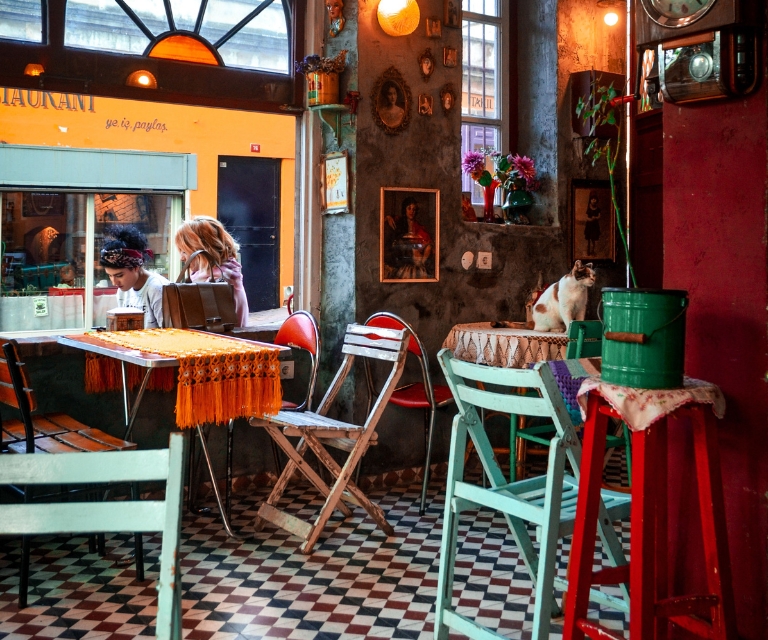
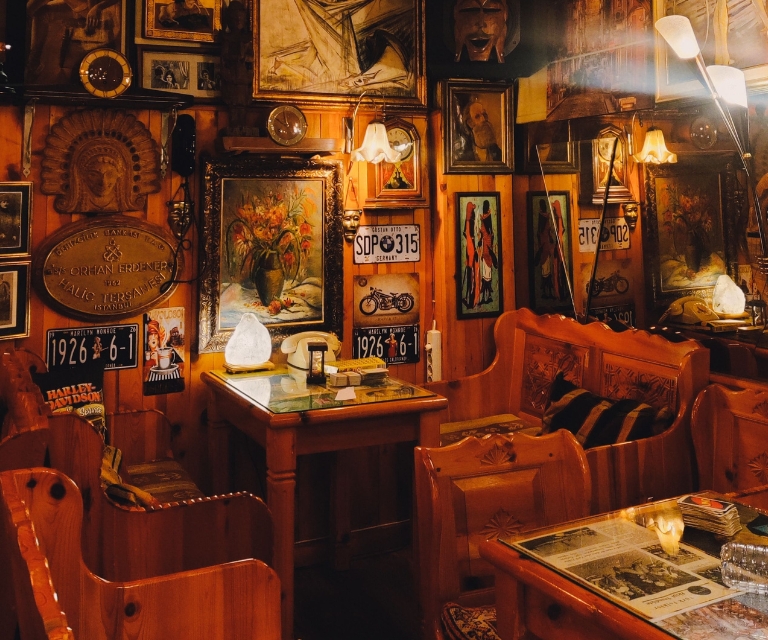
People are growing tired of paying top dollar for coffee only to sit in a space that feels emotionally distant. There is a longing for the cozy, slightly cluttered charm of the classic coffeehouse. Places with sagging leather armchairs, stacks of paperbacks, mismatched ceramic mugs, and acoustic tile ceilings that don’t reflect noise like a cathedral.
As they say, bring my cluttered cafe back.
What Comes Next?
The era of total greyscale dominance is beginning to crack. A new generation of cafe owners is rejecting it in favor of maximalist, narrative-driven spaces. Warm earth tones, dark mahogany, vintage lighting, and rich textiles are slowly creeping back into neighborhood coffee houses.
Minimalism was meant to clear away visual clutter so we could focus on what mattered—the coffee and the conversation.
But somewhere along the line, the design erased humanity, too. As cafe-goers push back against the cold concrete, one thing is becoming clear. People don’t want to drink their morning espresso in a gallery, they want to drink it in a place that feels alive.
Read more Stories on Simpol.ph
Cafés as Third Spaces: Why They Feel Like Home for Many Filipinos
In the Quiet Corners of the City, Hidden Cafés Becomes Our Haven















)