You’ve seen it everywhere.
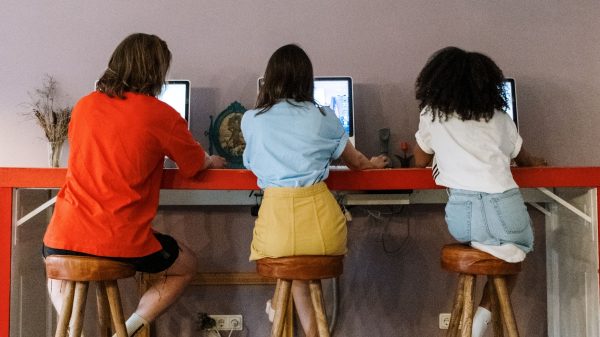
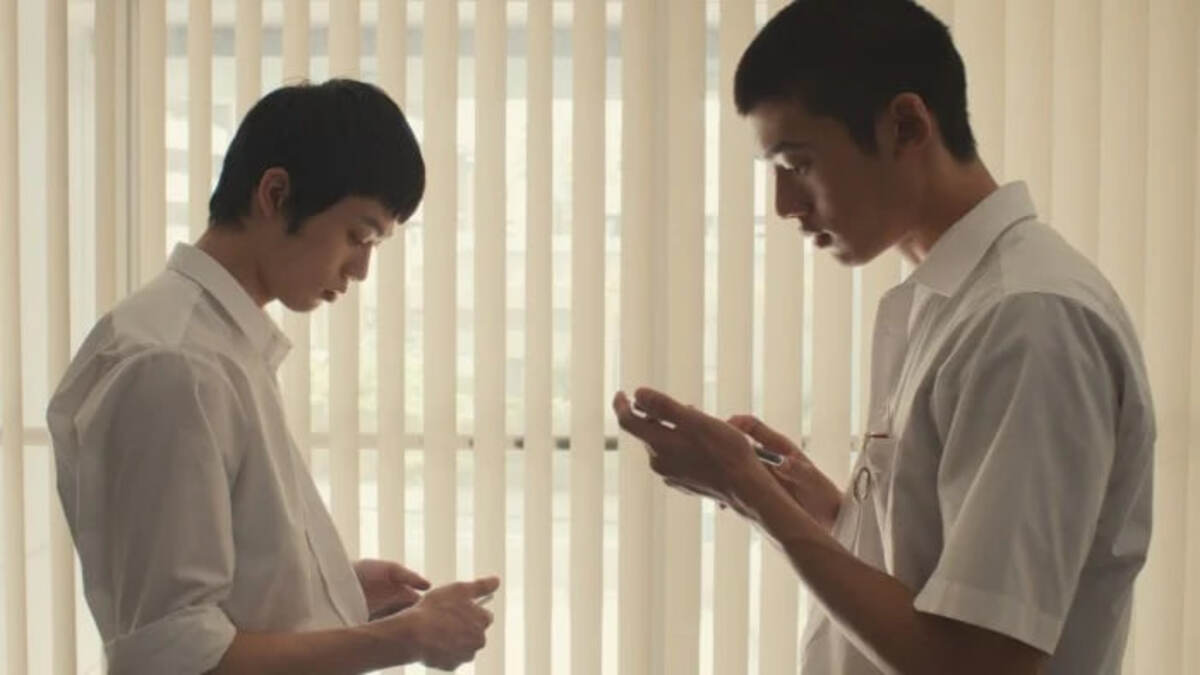
From Jeepney drivers to students, everyone is glued to their screens. This mobile-first phenomenon is taking over like a storm. It offers rapid-fire drama with zero effort required from the viewer.
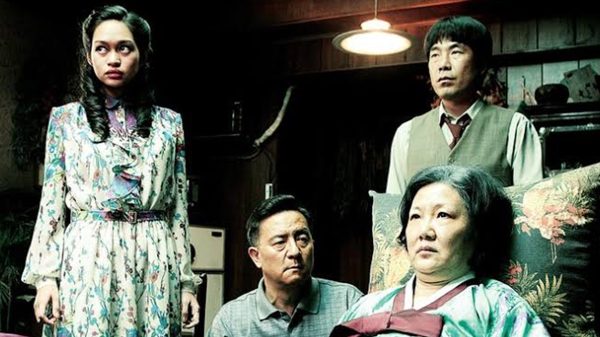
Chinese micro-dramas are rising fast globally. These 90-second vertical episodes feature constant cliffhangers, secret billionaires, and instant emotional payoffs. They have officially turned brief daily breaks into a multi-billion dollar entertainment empire.
This addictive, fast-food ecosystem is quickly replacing traditional cinema and local TV worldwide. This shift forces us to confront a critical cultural question: What is this mindless doomscrolling doing to our attention spans and the future of storytelling?
The Teleserye in the New Millennium
The year 2000 marked a massive turning point for Philippine television. It brought the official birth of the “teleserye”—a mashup of telebisyón and serye.
The phenomenal hit Pangako Sa ’Yo completely defined this era. It starred Jericho Rosales and Kristine Hermosa alongside the legendary, fire-spitting rivalry of Amor Powers and Claudia Buenavista.
It was no ordinary soap opera. The show changed the game with cinematic production and fast-paced storytelling. In fact, it broke international boundaries. It became the first local drama to export and dub its episodes for audiences across Asia and Africa.
Around the same time, networks pushed creative boundaries even further. They introduced fantaseryes like Encantadia and Darna, bringing Filipino folklore and heavy visual effects straight to primetime viewing.
Pop Culture and Teleserye Remakes
Remakes often stem from a colonial habit to mimic. This is especially true for Filipinos. But when it comes to pop culture, we reclaim.
Recreating iconic teleserye scenes is a massive part of local internet culture. It thrives on a unique mix of humor, creativity, and dramatic flair. Instead of watching passively, fans actively transform these scenes using social media.
Certain television moments have achieved legendary status, making them perfect targets for internet parodies:
The Kadenang Ginto “Dani Girl” Meme:

The “Amor Powers vs. Claudia Buenavista” Face-offs:
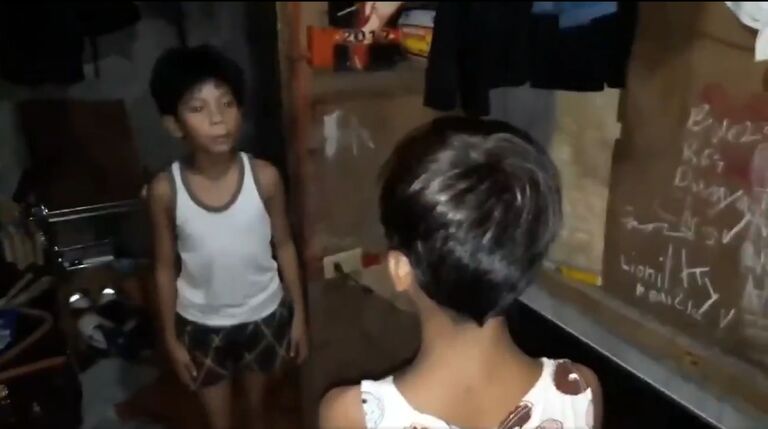
While remaking media can seem like a colonial tendency, the Filipino approach to teleseryes is pure cultural reclamation. When networks historically dubbed Spanish or Mexican soap operas into Tagalog, local audiences fully adapted and owned the genre.
Today, digital creators carry on that ownership. Armed with smartphones and natural talent, netizens turn passive viewing into a community-driven experience. They prove that for iconic drama scenes, there is no passive doomscrolling—only active celebration and comedy.
Linda Walker as a National Drama Figure
We always love a good underdog story. When AI-dubbed Chinese micro-dramas blew up on our feeds, Pinoy netizens immediately crowned “Linda Walker” as our new primetime queen.
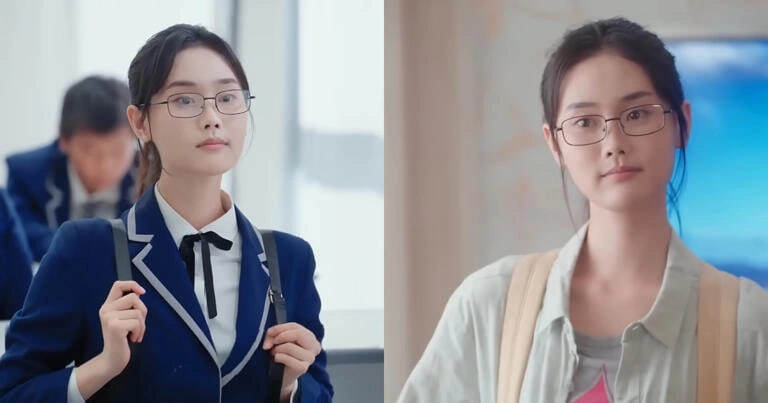
Her epic “719 mock exam” scene became an instant core memory for local social media. In it, she completely shuts down her wealthy, arrogant bullies.
Now, you cannot scroll through TikTok or Facebook without seeing students use her clips as grind motivation. Creators even parody her intense standoffs using random household items.
The Digital Reality of Storytelling
The local obsession with Linda Walker seems like harmless fun, but it highlights a darker digital reality. We are living in the era of the “doomscroll apocalypse.”
These ultra-fast Chinese micro-dramas specifically target and hijack our brains. They use continuous 90-second dopamine hits and manipulative cliffhangers to trap us in an endless scroll.
It is easy to laugh at the parodies, but feeding our minds this hyper-accelerated media actively destroys our collective attention span.
By expecting instant emotional payoffs with zero intellectual investment, we are doing more than killing time.
We are slowly losing our capacity for deep focus, critical thinking, and the patience required for meaningful, long-form storytelling.
Read more Stories on Simpol.ph
Are we Filipino enough yet? The accessorised reality of modernized culture in local brands
From Vinyl to Victory: Offshore Music looks back on a Decade of Indie Integrity
A Table That Doesn’t Rush You: Inside La Spezia’s Quiet Italian Rhythm in Quezon City