Success often comes at a cost. In competitive industries where image, reputation, and perfection matter, people are pushed to their limits in pursuit of recognition and achievements. The pressure to succeed can change personalities, relationships, and even personal values.
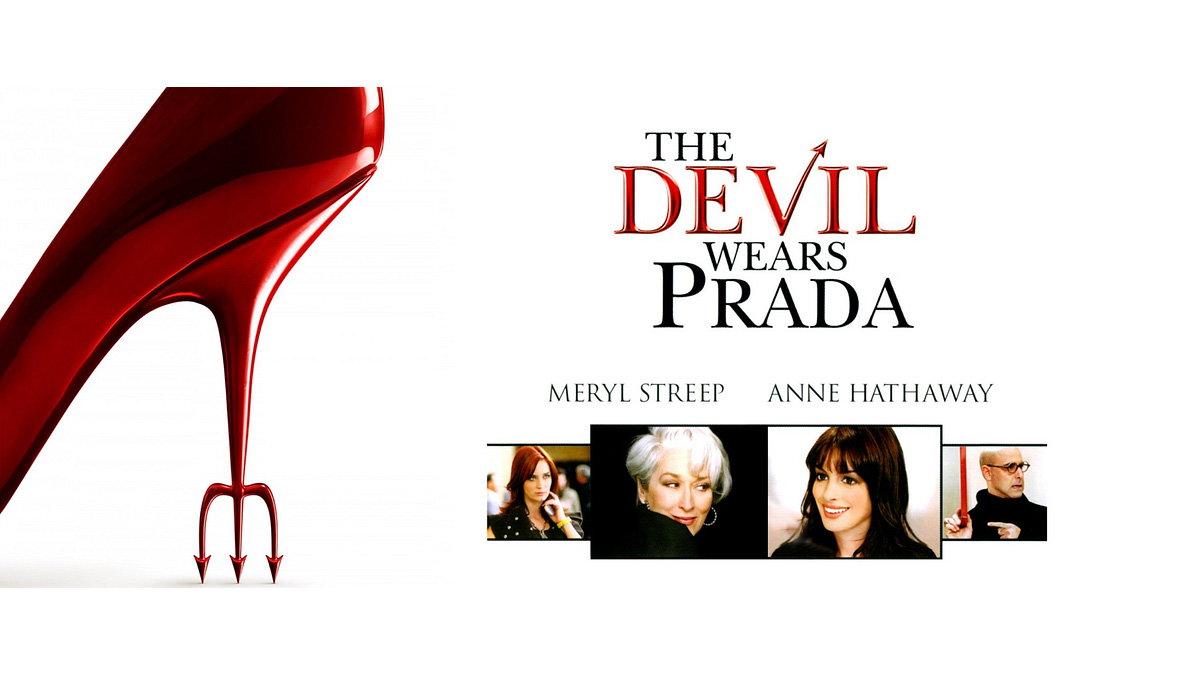
Now the fashion world appears elegant, exciting, lavish, and exclusive. However beneath the surface lies an environment driven by power, hierarchy, and relentless competition. This contrast between glamour and pressure is brilliantly explored in the 2006 film The Devil Wears Prada, one of the most influential films in pop culture.
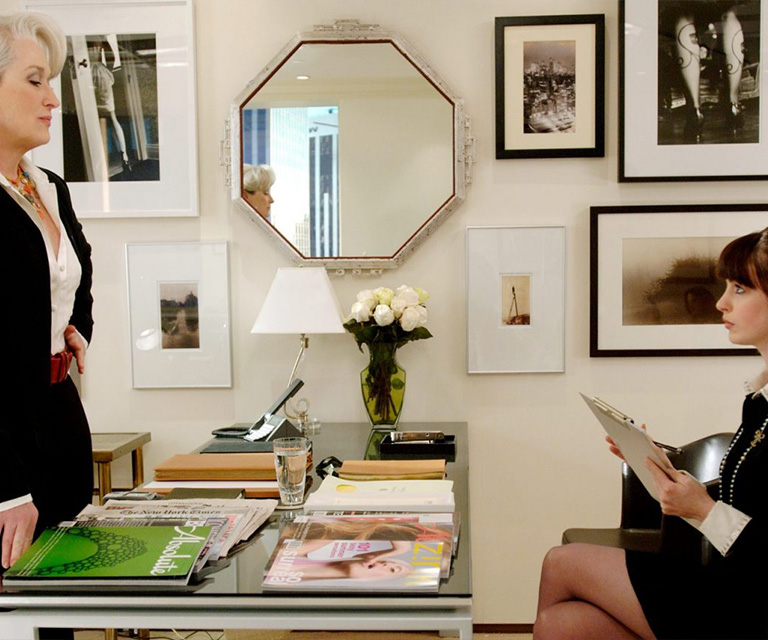
The film became a cultural touchstone that reshaped the public’s perception on the fashion industry. With iconic performances from Anne Hathaway and Meryl Streep, the film follows a fresh grad journalist Andy Sachs who lands a job at a prestigious fashion magazine working under the magazine’s feared and respected editor-in-chief Miranda Priestly.
With all the iconic quotes and memes still used today, the film found itself at an intersection of satire, aspiration and social commentary mixed with fashion and workplace anxiety at a very cultural moment. The film helped make high fashion and magazine culture more accessible to mainstream audiences. Heavily inspiring the trends in fashion at the time.
Fast forward 20 years
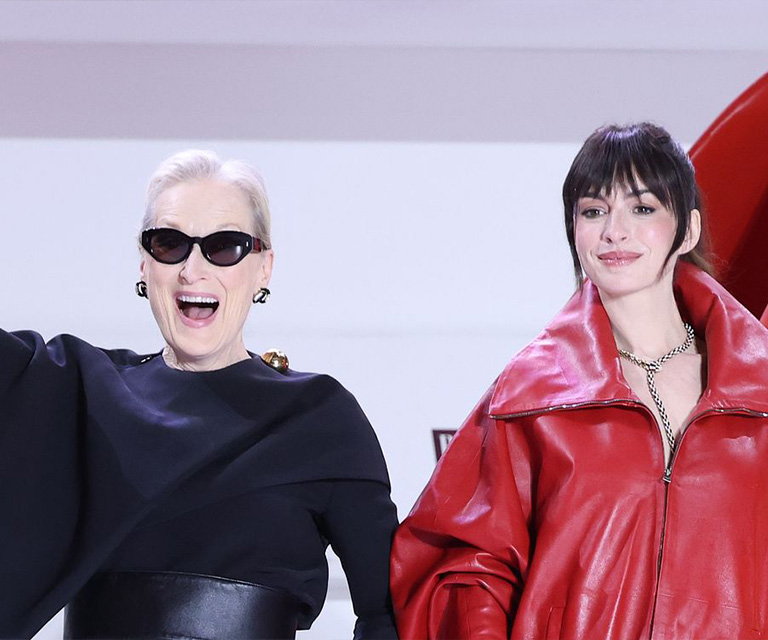
The highly anticipated release of the sequel The Devil Wears Prada 2 bringing the two iconic characters back to the big screen proving that after all this time the original film has kept both its appeal and influence.
For many viewers who first watched The Devil Wears Prada at a young age, the film once felt glamorous with all the designer clothes, luxurious lifestyles and the excitement of entering adulthood. Andy’s transformation and Miranda’s authority appeared stylish and impressive. However, revisiting the film years later offers a very different perspective.
The older audience now having experienced these demanding workplaces themselves have taken notice. The film raises important themes through Andy Sach, capturing modern work culture early on, its themes of burnout, toxic productivity, career obsession and the hunger to succeed.
Is ambition worth sacrificing your personal happiness?
As workplace discussions on burnout and toxic environments continue today, the film feels just as relevant as when it first released 20 years ago. Ultimately The Devil Wears Prada is more than just a fashion film. What once felt exaggerated has started feeling realistic, Miranda Priestly’s world of constant availability, perfection, and emotional sacrifice resembles today’s culture of employees being overworked, placing their career above their personal lives.

Audiences initially dismissed the toxicity and emotional abuse in The Devil Wears Prada. What makes this dangerous is how easily it disguised itself in the film. This reflects the reality many young professionals face today with overwork being celebrated and burnout normalized.
The Devil Wears Prada 1 and 2 are more than just cultural classics — they serve as a warning about the dangers of glorifying unhealthy work culture and the importance of knowing when ambition begins to cost too much.
When success is glamorized people become more willing to excuse abuse and unhealthy power dynamics. Professional achievement should not come at the expense of mental health, relationships or personal identity. Because in the end ambition without balance is destruction.
Read more Stories on Simpol.ph
syd hartha and TONEEJAY share mics on tracking their wave back home with new single “Dito Muna Tayo”