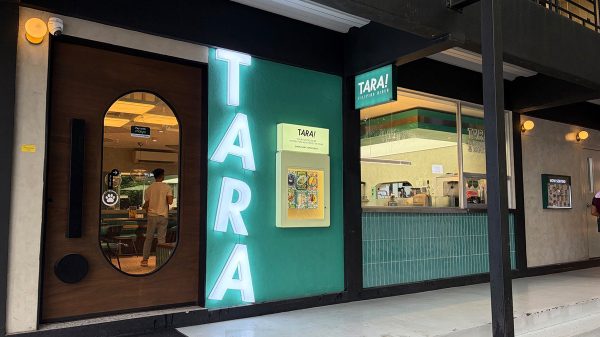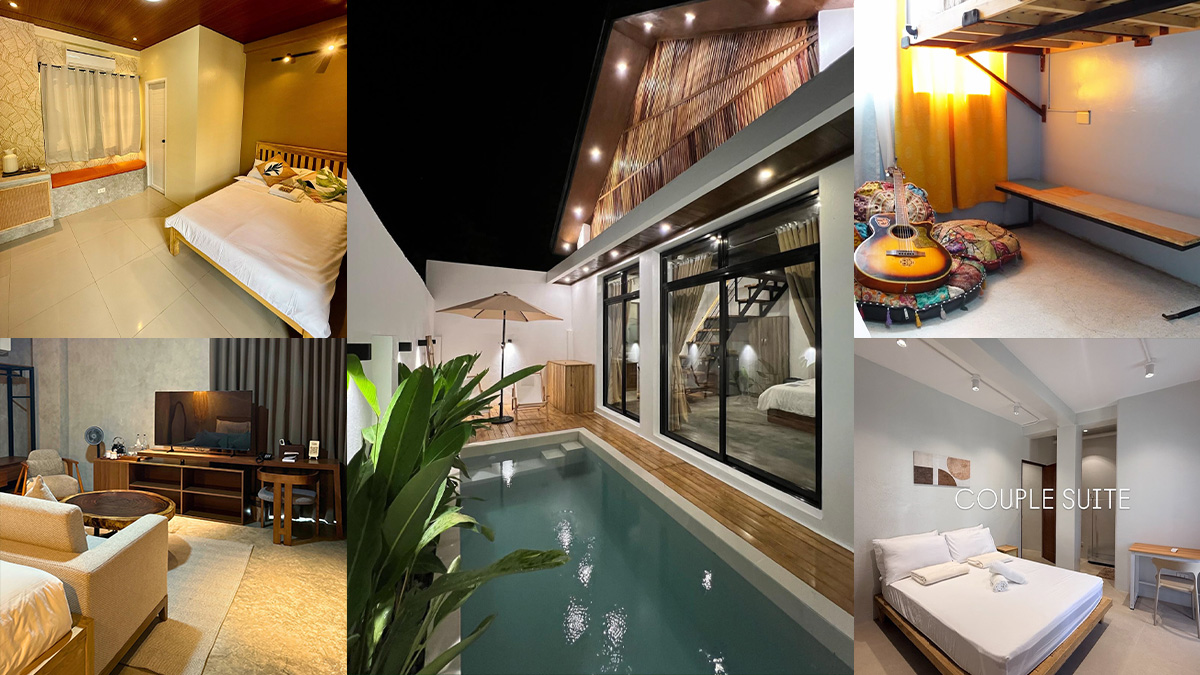
San Juan, La Union, has changed in ways that feel both subtle and obvious. The surf is still there—reliable, rhythmic—but around it, a different kind of scene has taken shape. Cafés linger longer into the afternoon, conversations stretch past sunset, and where you stay has become part of the trip itself, not just a place to land after the beach.
Here are five accommodations that reflect that shift. No ranking, just different ways to experience the same stretch of coast.
1. Ylaya Villa
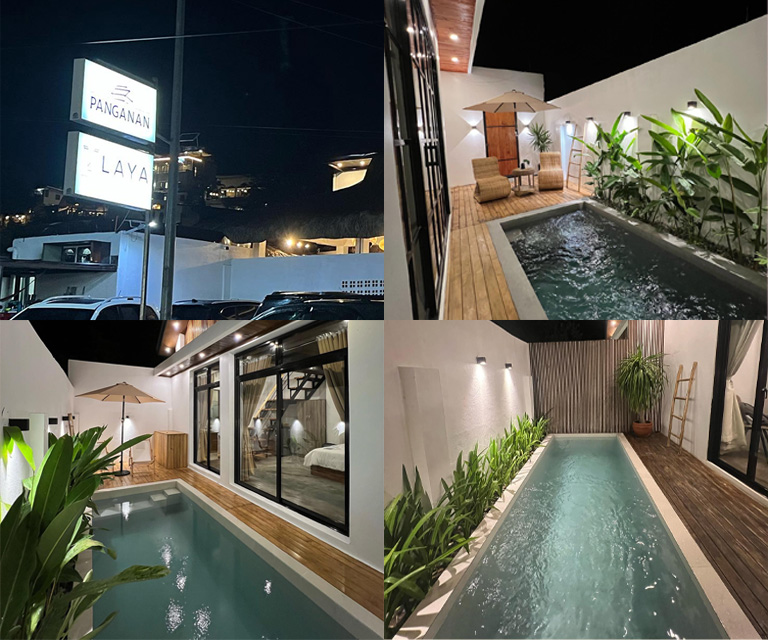
Ylaya Villa feels slightly removed from everything, in a way that’s immediately noticeable. The design is pared down—muted tones, clean lines, a lot of open space—but it doesn’t come across as cold. If anything, it feels intentional, like nothing extra was allowed to stay.
There’s a quietness here that settles in quickly. You wake up to soft light, maybe the faint sound of water from the pool, and not much else. It’s the kind of place where you check your phone less without making a big decision about it. Hours pass, and you’re not entirely sure doing what, exactly. That seems to be the point.
2. Aldaw
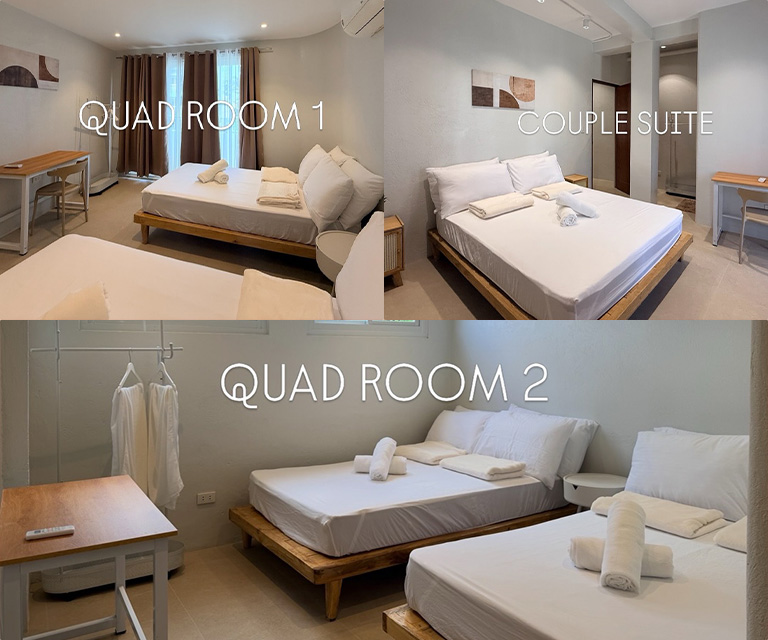
Aldaw carries a different kind of presence—warmer, more tactile. The materials do a lot of the storytelling: woven textures, earthy finishes, details that feel grounded rather than styled for effect. The name, taken from the Ilocano word for “sun,” feels fitting once you’re there.
The space doesn’t ask much from you. You can sit for a long time, read a few pages, get distracted, start again. It’s calm, but not in a sleepy way—more like everything is moving at a pace you don’t feel the need to question. If Ylaya leans inward, Aldaw feels gently anchored.
3. Casa Amihan
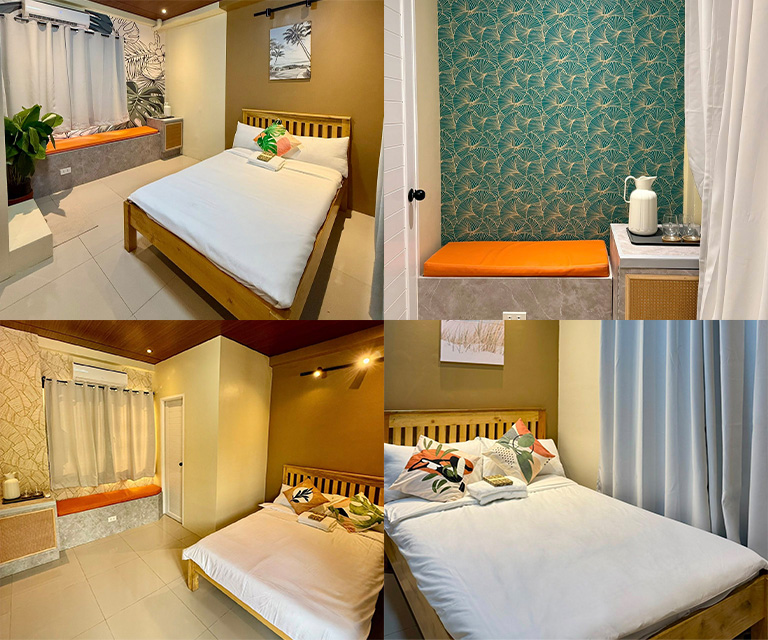
Casa Amihan is lighter, both visually and in mood. Named after the northeast monsoon, it’s built around airflow—wide windows, open terraces, white surfaces that catch and reflect the sun throughout the day.
Nothing feels overworked. You wake up, step outside, and the day sort of arranges itself. There’s a casualness to it that doesn’t slip into disarray. It’s easy to imagine staying longer than planned, not because there’s so much to do, but because there’s no real reason to leave right away.
4. Flotsam and Jetsam Hostel
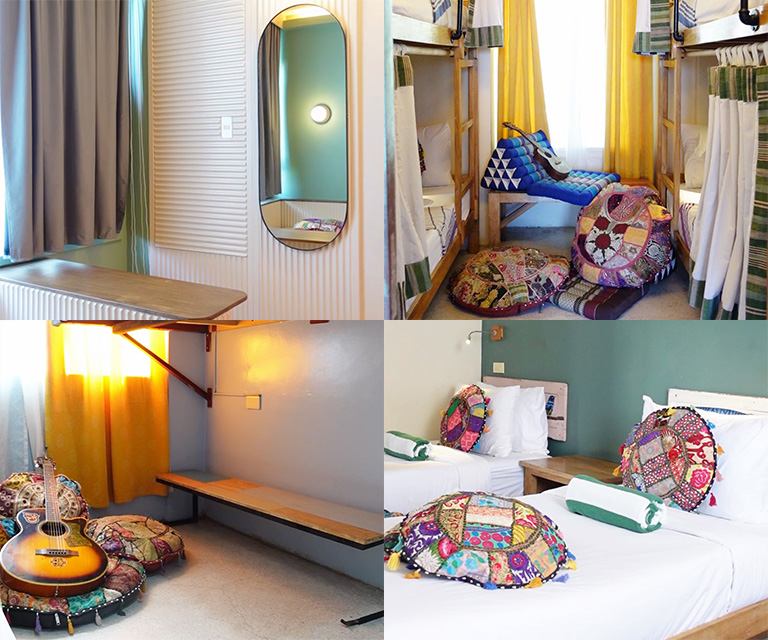
Flotsam and Jetsam is harder to pin down, which is part of its appeal. It started as a hostel and still carries that openness, but it’s grown into something closer to a social hub. The space is filled with art, color, and corners that seem to shift purpose depending on the time of day.
Afternoons are loose—people on laptops, small groups talking, music in the background. By evening, it changes. The lights dim, the volume goes up, and the place fills out. You might come here planning to stay in, and then not. It’s not for everyone, but if you’re in the mood for a little unpredictability, it works.
5. The Salt Boutique Hotel
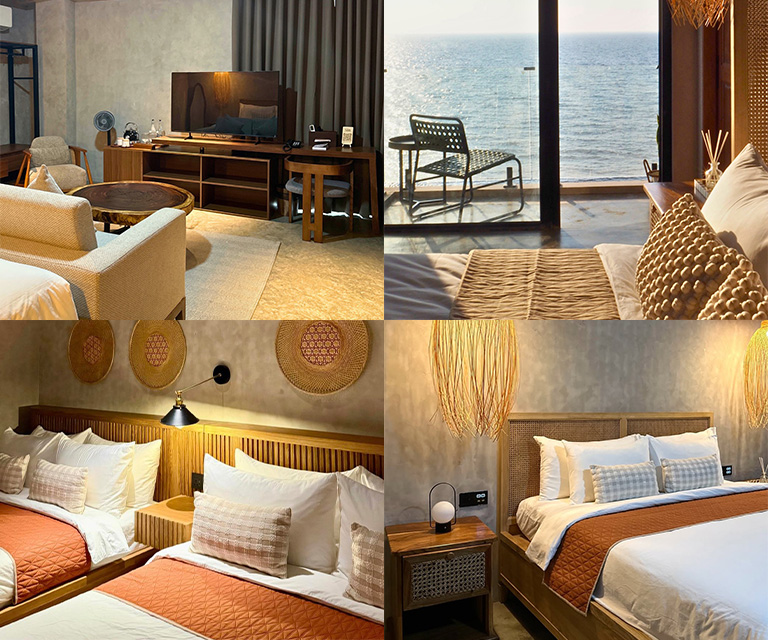
The Salt Boutique Hotel feels more put-together than most of its neighbors in San Juan. The place has a clean, modern look—natural finishes, and open spaces that feel bright without trying too hard. Everything is arranged with intention, from the pool area to the common lounges, so it works just as well if you decide to stay in for the day as it does if you’re heading out to the beach.
It isn’t directly on the shoreline, but it’s close enough that walking over isn’t a hassle. What stands out more is the atmosphere inside the property: calm, a bit social, but never loud. People drift between the café, pool, and shared spaces at an easy pace, and it all feels relaxed in a way that still has a bit of structure to it.
Taken together, these places suggest a broader shift in how people experience San Juan. It’s no longer just about catching waves or filling a weekend. The stay itself has become part of the draw—how a place looks, yes, but also how it feels to spend time there.
And maybe that’s what keeps people coming back. Not just the surf, but the spaces in between.
Read more Stories on Simpol.ph
Brewed by the Coast: San Juan, La Union’s Café Culture Rising
Salt, Scene, and Sustenance in San Juan, La Union
La Union and the Rise of Social Travel: Why Filipinos Are Flocking North