The rise of “solo living” in the Philippines is no longer merely a demographic shift but a profound sociological response to centuries of deeply ingrained—and at times suffocating—family and household dynamics. For the current generation—Gen Z and Millennials—solo living Philippines Gen Z Millennials represents moving out that is often less about “luxury” and more about psychological and emotional liberation.
The Unspoken Decades of Trauma
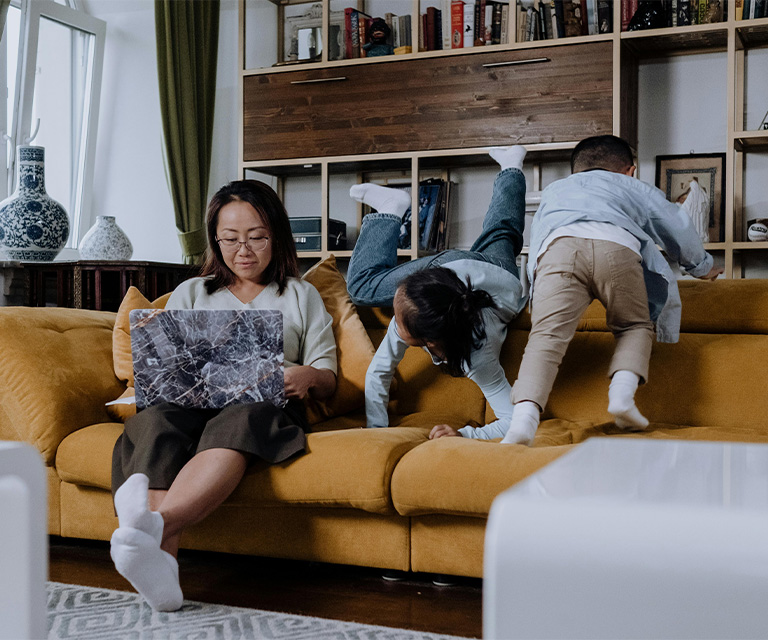
In many traditional Filipino households, children are raised with the unspoken expectation that they are their parents’ “retirement plan.” This creates a cycle in which the younger generation feels indebted for their very existence and future income. The Filipino home is often communal to a fault, marked by a lack of physical and emotional boundaries: parents may go through a child’s belongings, while chismis (gossip) within the extended family can function as a tool for social control.
The concept of “payback” within Filipino households is a subject that demands critical attention. Across Southeast Asia, this notion is deeply rooted in conservative cultural values. From a young age, individuals are often taught that once they graduate and begin earning an income, they are obligated to “repay” their parents for the cost of raising them.
These “payback” expectations take many forms: financing a sibling’s education, contributing to a “dream house” or family property, and shouldering household, medical, and miscellaneous expenses—all while attempting to build an independent life or future family.
Closely tied to this is the concept of utang na loob (debt of gratitude), which compels individuals to prioritize the needs of others over their own. While it may uplift the family unit, it often does so at the expense of personal growth and autonomy. Refusal to conform to this expectation frequently results in being labeled walang utang na loob—a person perceived as lacking gratitude. Moreover, solo living Philippines Gen Z Millennials must often navigate these deeply rooted cultural expectations.
Such conditions make the experience of living at home while earning an income increasingly fraught. As the saying goes, perhaps the reason living with family is “free” is because one pays for it with the soul.
Making the Bold Decision Amid the Unknown
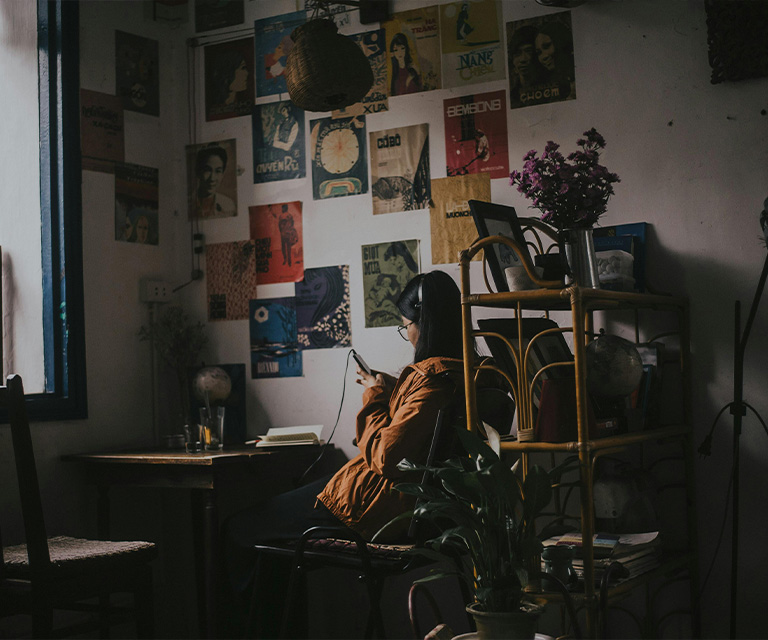
Choosing to live alone becomes, for many, an act of boundary-setting. It allows individuals to redefine gratitude on their own terms—offering support out of willingness rather than obligation.
Despite the financial strain and heightened responsibilities that accompany independent living, many willingly embrace this path in exchange for a long-elusive peace of mind.
“If I could turn back time—noong nakatira pa ako sa bahay ng parents ko four years ago—I think I would still move out. Grabe ’yung emotional relief and mental liberation na naramdaman ko once I started living on my own. Yes, it was financially challenging at first, but it was totally worth it in the end,” said AJ, a fresh graduate employee. For example, the movement toward solo living Philippines Gen Z Millennials is often driven by these quests for independence and emotional freedom.
According to Philippine Housing and Urban Development Statistics (PHUDS), homeownership among Millennials (ages twenty-six to forty-one) and Gen Z (ages ten to twenty-five) has increased by 20 percent over the past five years. Filipinos aged twenty-five to thirty-four—representing younger Millennials and older members of Gen Z—account for more than 30 percent of all leads for condominium rentals and sales. Notably, solo living Philippines Gen Z Millennials is not just a trend, but a reflection of changing values and priorities in society.
This trend underscores how the working class is navigating independent living despite financial constraints. Complementing this data, the 2025 Manulife Study reports that young Filipinos now prioritize financial independence and mental well-being as primary life goals.

A “Calculated Escape”: More Than a Trend
There is a quiet courage in the act of locking one’s own door for the first time. For many young Filipinos, solo living marks their first genuine dialogue with themselves—free from the expectations and noise of a crowded household. It becomes a season of self-discovery, resilience, and the intentional creation of a safe and personal space.
Current demographic patterns reflect a decisive shift toward breaking cycles of inherited trauma and challenging long-standing norms. By establishing firm boundaries and redefining traditional expectations, this generation is forging a new path—one grounded in autonomy and self-respect.
As they navigate the realities of independence, they affirm a simple yet powerful truth: a house becomes a home not by the number of people within it, but by the peace and purpose cultivated inside its walls.
Read more Stories on Simpol.ph
The New Generation’s Lifestyle Choice of Solo Living
Half-Meant Jokes: Understanding Humor, Harm, and Hidden Consequences