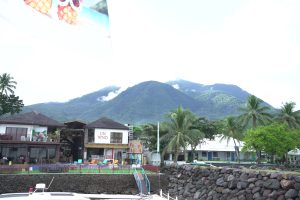
Morning in Camiguin does not announce itself. It arrives gently, with mist resting on the shoulders of Mount Hibok-Hibok and the faint smell of damp earth rising from the road. Even on a day meant for celebration, the island resists urgency. In recent years, Camiguin culinary tourism has introduced a unique kind of morning for visitors, blending local flavors with tradition.
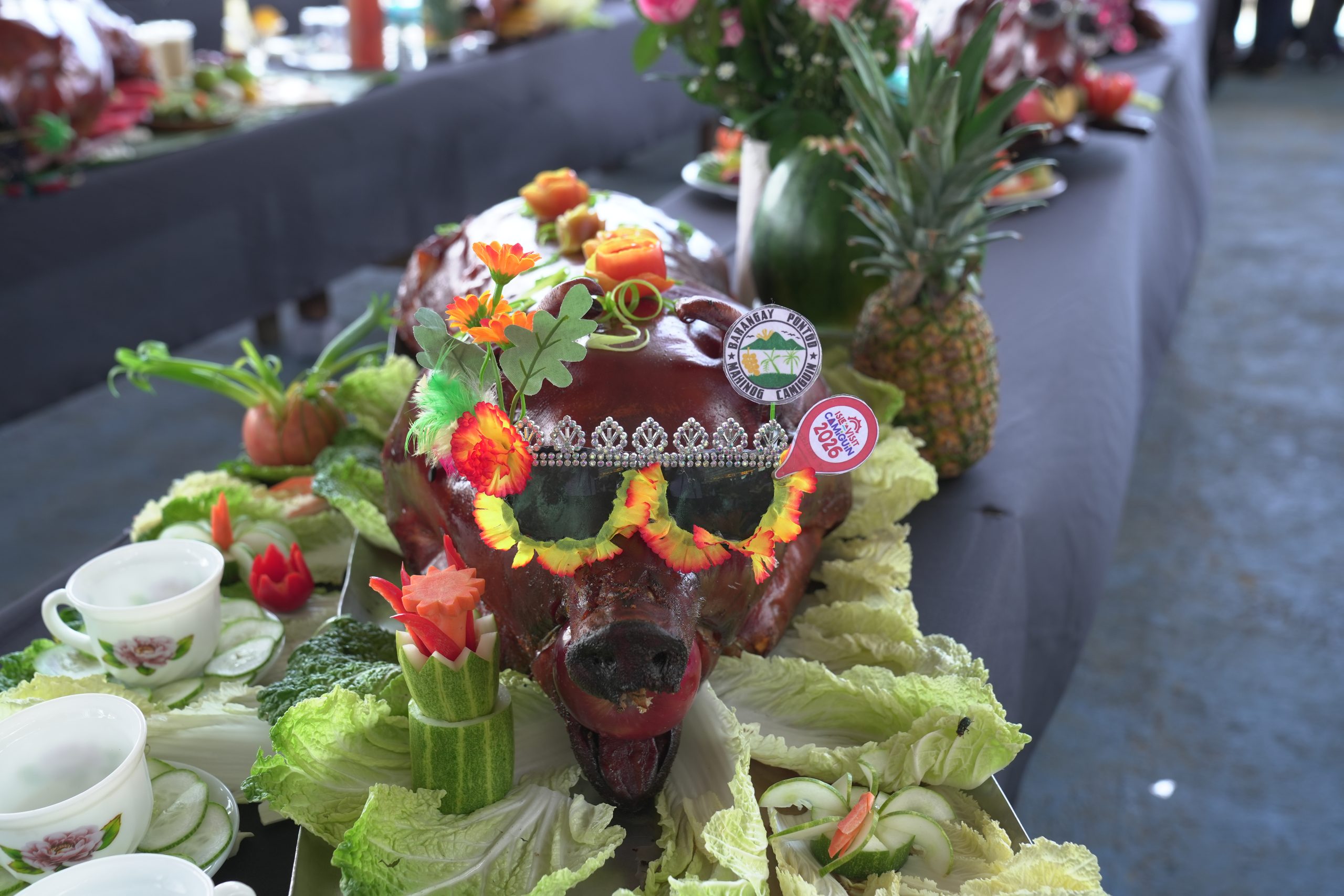
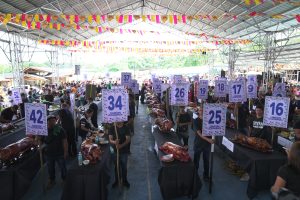
By midmorning on January 7—the anniversary of Camiguin’s founding as an independent province—the quiet gives way to smoke. On the grounds of the provincial capitol, pigs are already turning on bamboo spits, their skins tightening and blistering into that familiar, brittle sheen Filipinos know at a glance. There are 58 of them, one for every barangay on the island. People come early, not just to eat, but to watch. In Camiguin, the process still matters.
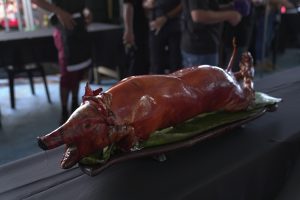
This was the first Lechonanza, a gathering that felt less like spectacle and more like a long table pulled out into the open. It coincided with the launch of Isle Visit Camiguin 2026, a tourism push that came on the heels of unexpected international attention. Just days earlier, Camiguin—often described as the “Island Born of Fire”—had been named among The New York Times’ 52
Places to Go in 2026.
For a small island barely 238 square kilometers wide, the recognition landed heavily. Not as validation, but as responsibility.
An Island That Learned to Return
Camiguin’s confidence today comes from a long familiarity with disruption. The island has more volcanoes per square kilometer than anywhere else in the country, and its history reads like a ledger of loss and return.
In 1871, Mount Vulcan sent the old capital of Cotta into the sea. What remains is the outline of the Gui-ob Church and the Sunken Cemetery, its white cross still rising from the water. In 1951, Mount Hibok-Hibok erupted violently, forcing families to flee. Many came back. Culinary tourism in Camiguin now also draws people back to these lands, blending resilience with flavor.
“Almost everyone here has a story about leaving,” a local said while looking at Mount Hibok-Hibok. “What matters is that most of us chose to come back.”
They returned to land enriched by ash and minerals, to soil that asked for patience but rewarded care. Over generations, that relationship shaped more than farming. It shaped temperament. Camiguin learned early that survival was not about speed. It was about knowing when to pause, when to rebuild, and when to let things grow back properly.
That instinct still holds.
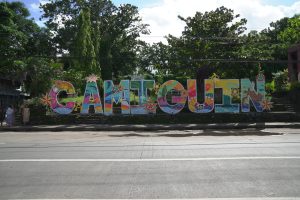
The Discipline of Staying Small
One of the first things visitors notice—and often the last thing they mention—is how Camiguin has managed to resist becoming loud.
Large chains are rare. Instead, the island remains stitched together by family-run eateries, neighborhood bakeries, small inns, and businesses that feel embedded rather than imposed. Growth happens, but it occurs at a scale where people still recognize one another, where accountability is personal.
“We’ve seen what happens to other places when everything gets too big,” a tour guide said while on tour. “Here, we still want to recognize the people we pass on the road.”
Driving around the island, you see houses that have stood for generations beside newer ones. Nothing is cordoned off for display. Nothing feels preserved for effect. Even the warmth people talk about lacks polish. It isn’t rehearsed or trained. It isn’t a performance. It’s simply how people here speak to strangers. In many subtle ways, Camiguin culinary tourism preserves this distinct local identity and authenticity.
That same restraint shows up in where you stay.
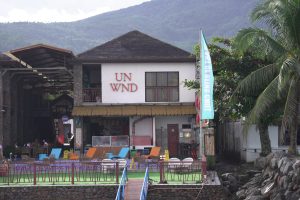
Along the coast, Unwnd Boutique Resort, owned by the Araw Group, reflects this ethic clearly. The resort does not try to outshine the island or redefine it. It sits comfortably in its surroundings, favoring openness and quiet over excess. Mornings feel unhurried. Afternoons stretch. The island, not the property, remains the point.
It’s hospitality that understands when to step back.
Why the Lechon Tastes the Way It Does
At Lechonanza, the judging was never about flash.
Seasoning mattered—the timpla, the herbs, the balance of salt and smoke—but what separated the strongest entries was more basic than that. It was the pig.
Camiguin’s pigs are locally raised, part of a food system that has not been stretched thin by industrial scale. They are well fed, slaughtered close to where they are cooked, and suited to the island’s rhythm. The meat holds its shape over long roasting. The fat renders cleanly. Flavor begins long before the fire is lit.
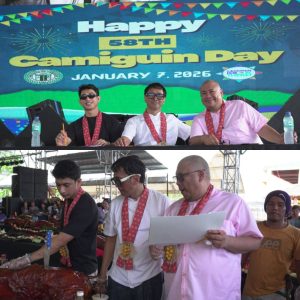
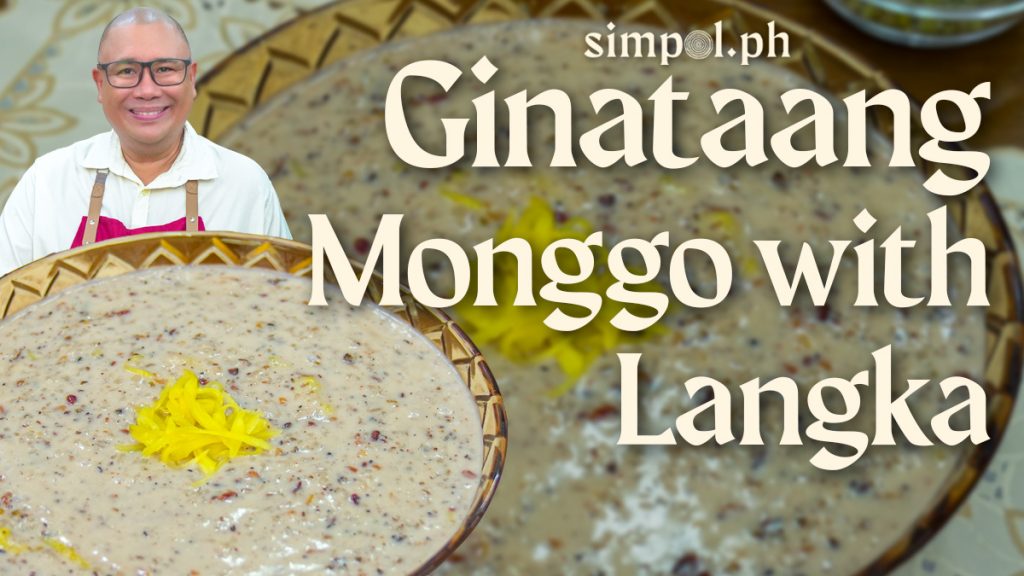
That was immediately clear to the judges: Chef Myke “Tatung” Sarthou of Simpol.ph, alongside chefs Gerick Manalo and Sau del Rosario. They weren’t looking for tricks. They were tasting for honesty. For lechon that made sense where it was cooked.
Barangay Agoho of Mambajao earned the top prize for Best Lechon, while Barangay Poblacion of Mahinog stood out for clarity and balance. The differences between entries were subtle, shaped by family habits and small choices made over years. Here, lechon isn’t a flex. It’s a conversation between land, animal, and cook. Furthermore, these traditions have brought new attention to Camiguin culinary tourism, showing how food culture is deeply rooted in the island’s values.
Growing Without Losing Shape
Tourism numbers reflect Camiguin’s rising profile, and local officials are clear-eyed about what that means. Visitor arrivals climbed sharply in 2025, and Isle Visit Camiguin 2026 aims to sustain momentum without breaking the island’s rhythm.
“We want people to come,” a local business owner said. “Just not all at once that will overcrowd our province—and not in a way that changes who this place is.”
The plan is structured around four ideas:
Isle Trek, centered on the Timpoong–Hibok-Hibok Natural Monument
Isle Win, positioning Camiguin as a sports destination through events like the Ironman 5150
Isle Dive, highlighting volcanic underwater terrain and reefs
Isle Enjoy, grounding the experience in food and culture, from the Lanzones Festival to Lechonanza
Taken together, they spread activity across seasons and landscapes, keeping the island from tipping too far in any one direction. In short, Camiguin culinary tourism is poised to shape a sustainable future for the community and its visitors.
Fire, Properly Tended
As evening settled on founding day, the lechon was carved and passed from hand to hand. Smoke thinned. Conversations stretched. Nothing felt rushed.
Camiguin’s strength lies in that balance. An island shaped by fire, choosing restraint. A place that understands that flavor, like culture, depends on care long before the moment of consumption.
Here, the fire never goes out. But it is watched closely. Used well. And when the day ends, it leaves behind not ash, but nourishment.
Read more Stories on Simpol.ph
Radisson Hotel Chateau de Bangkok: A Stay Worth Remembering
Shining Through: 15 Years of Radisson Blu Cebu and the Quiet Comfort of Hospitality
A Christmas Journey in Sunway City: A Festive Escape Filipinos Are Starting to Notice