What makes food meaningful?
It’s not just the recipe. Not the plating. Not even the origin story.
Food becomes meaningful when it carries something deeper—a memory, a person, a place. From heart to plate, it becomes more than nourishment. It becomes a conversation. A connection. A mirror.
This week on Simpol.ph, we follow three stories that begin with food but end somewhere more personal: the global kitchen, the hometown gathering, and the ancient shore. Different in setting, but bound by the same invisible thread—care.
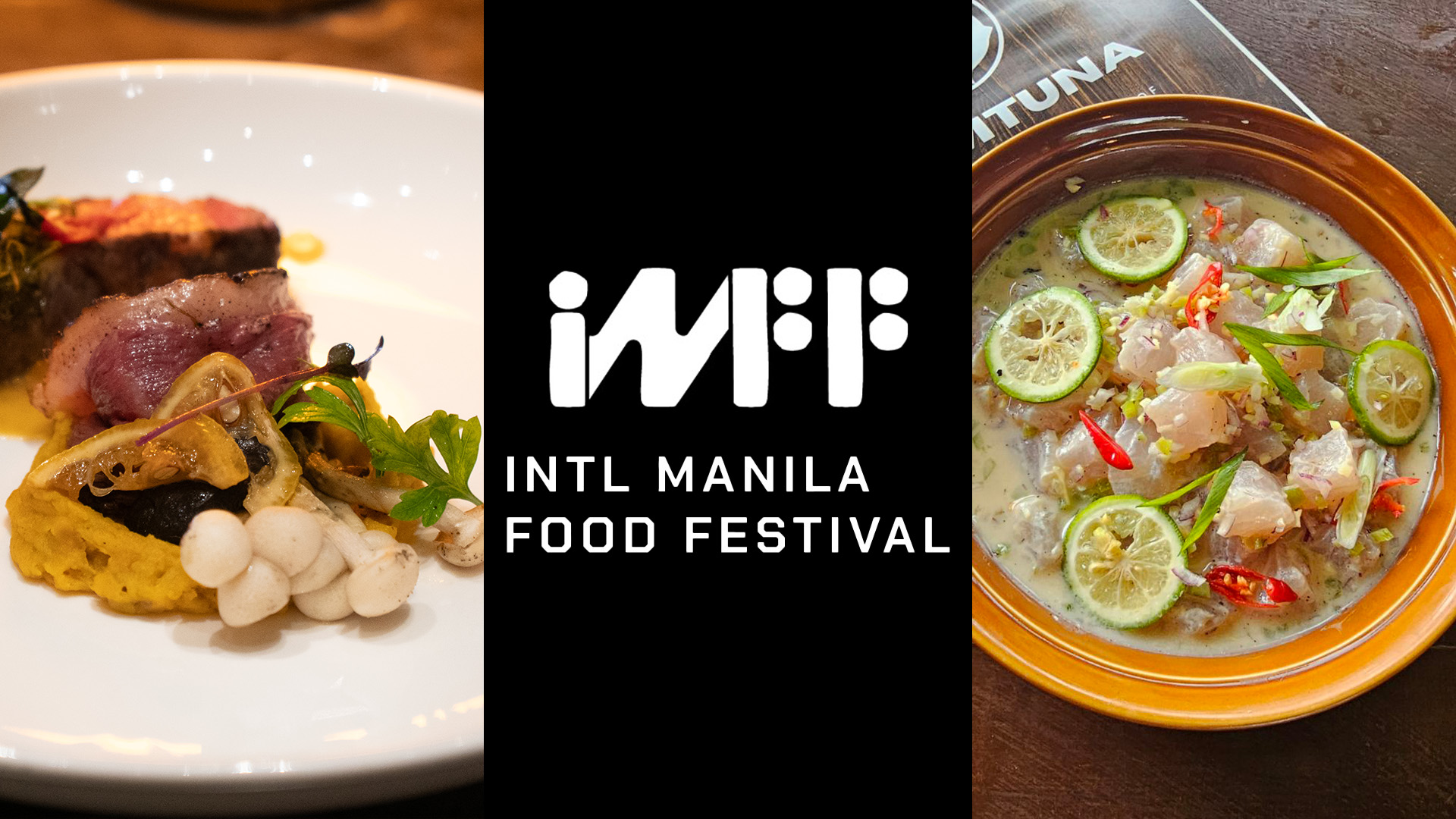
At the International Manila Food Festival, chefs from across the diaspora return home—not just to serve, but to listen. What kind of cuisine are we becoming? What do we leave behind, and what do we bring forward? The questions aren’t simple, and neither are the answers.

But there’s clarity in the intention. Filipino food is no longer waiting for a seat at the table. It’s making one—layered with history, migration, and memory. It doesn’t ask to be defined by trend. It asks to be understood on its own terms.
In Tagaytay, the answers came not in panel talks but on plates passed across tables. Despite a weekend of rain, the Tagaytay Food Festival 2025 brought people out in full. Farmers sold out. Chefs gave their best. And on the first night, during the Grand Tasting at Taal Vista Hotel, something clicked: the food wasn’t just delicious—it was shared. It made you feel something.
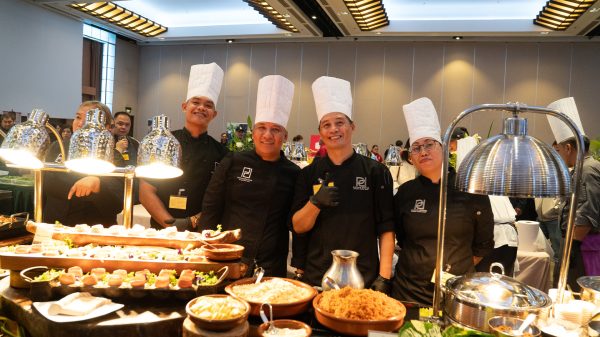
The theme, “Food That Binds,” was more than branding. It was a promise. As Festival President Rhea SyCip explained, “There was a clamor for more experiences this year. So we created something everyone could enjoy.”
For Chef Jayme Natividad, who has cooked in Tagaytay for more than a decade, the event revealed new layers to a city he thought he already knew. “It creates awareness of what our community and city have to offer,” he said. “Even I found new places I now recommend to family.” The festival wasn’t about reinventing the local scene. It was about seeing it more clearly—through food, through people, through place.
And then there’s Kinilaw Northern Mindanao, where meaning isn’t declared. It’s lived.
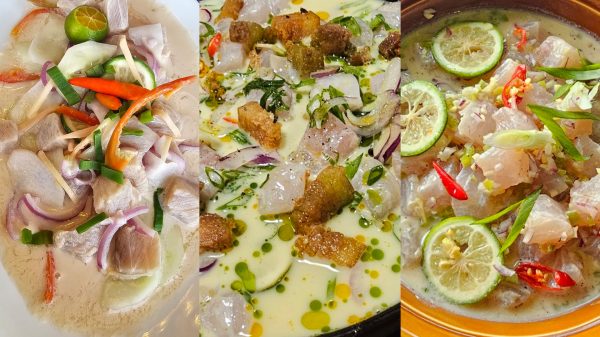
Where the day starts before sunrise at the Bulua fish landing in Cagayan de Oro, as ice is shoveled into crates and fish from Tawi-Tawi, Caraga, and Surigao arrives under dark skies. Housewives, chefs, and porters brush past one another, each in search of freshness. Clarity in the eye. Firmness in the flesh. A story they can take home and make their own.
Before cuisine, there was instinct.
Long before vinegar, before colonization, coastal communities were curing fish with tabon-tabon fruit, sea salt, and citrus. They weren’t plating for elegance. They were preserving life, passing down wisdom. Kinilaw wasn’t a dish. It was knowledge. It still is.
Today, kinilaw thrives in neighborhood grills, karinderyas, and modern kitchens—not as a trend, but as a truth. It tells us something about who we’ve always been: adaptive, intuitive, precise without pretense. And it reminds us that even our most familiar foods are still becoming.
In every dish, there’s a thread. A gesture. A memory held in salt or smoke or sourness.
Filipino food is not meaningful because it is new.
It is meaningful because it is remembered. Reimagined. Returned to.
Because behind every bite is a person—rooted, reaching, and still learning how to feed with care.
This week, from the diaspora to the dining room, from the mountaintop to the shoreline, one thing is clear:
The most powerful meals don’t just tell us where we’re from.
They show us who we are becoming.
Chef Tatung
Editor-in-Chief, Simpol.ph
Stories this week on Simpol.ph
Inside the LTB Philippines Chefs Association: Uplifting Chefs, Changing Futures