

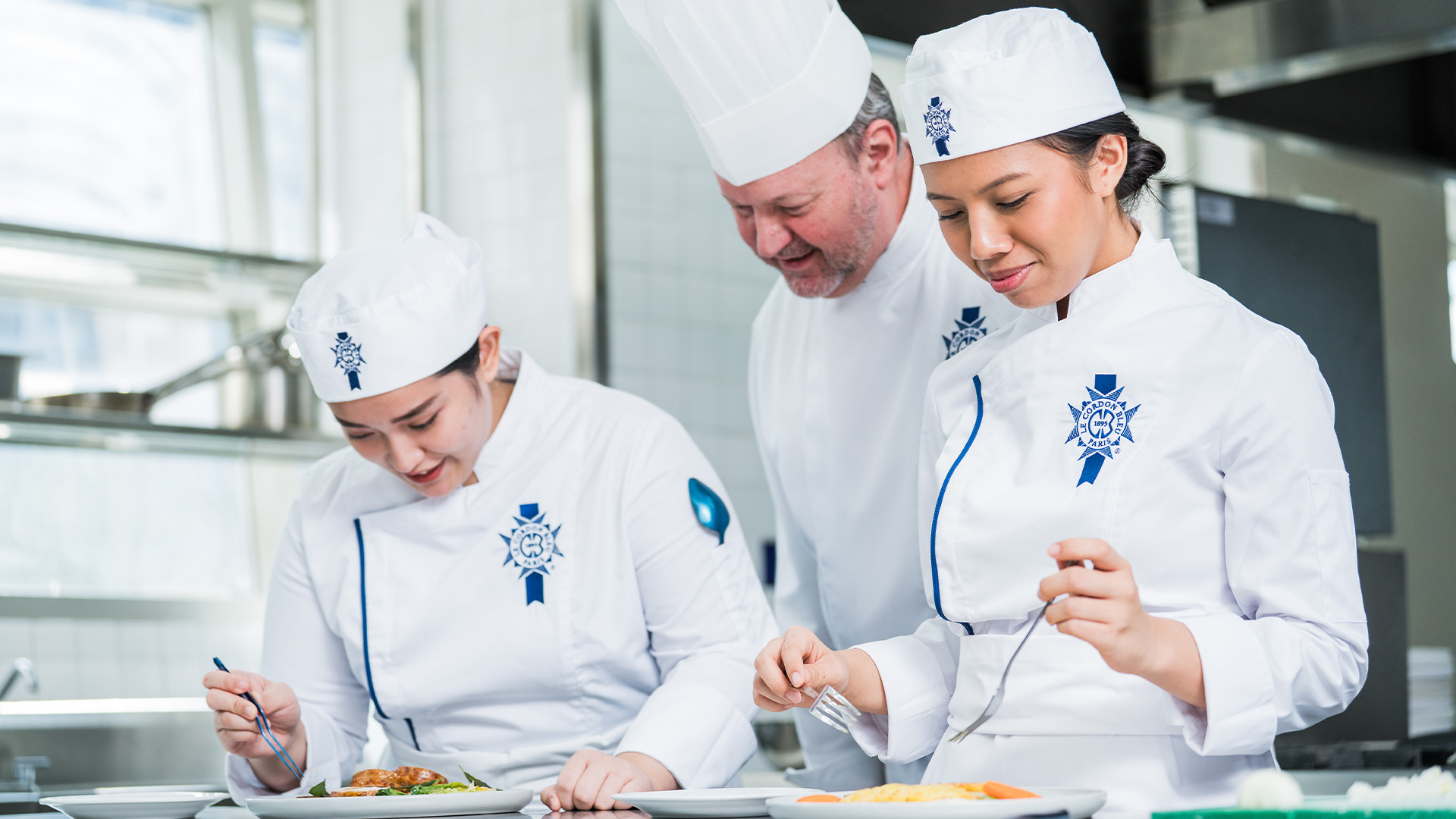
The dream of becoming a chef in the Philippines has never been more alive — or more misunderstood.
For many, it’s about prestige, creativity, or the romance of the kitchen. But those of us who’ve lived it know the truth: it’s built on discipline, humility, and years of repetition no one claps for.
Even in the most modest provincial schools I often speak at when invited, I see the same spark in students’ eyes — that hunger to learn, that hope for a better future through food.
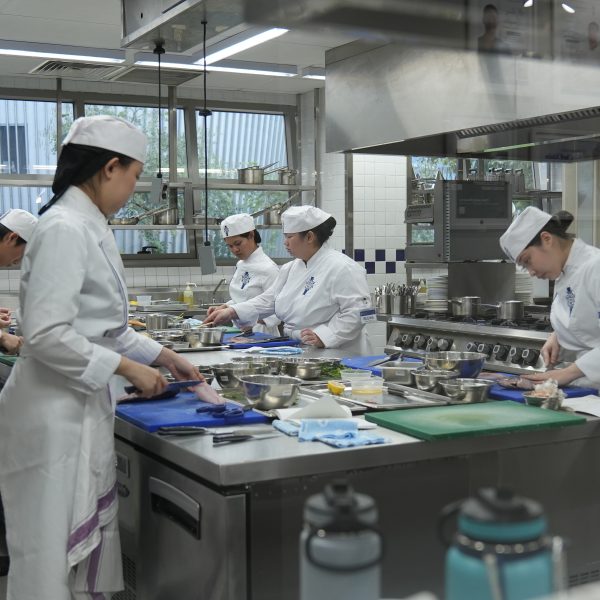
That’s what drew me to teaching. After two decades in hotel and F&B leadership, I left the frontlines of hospitality to walk the halls of Le Cordon Bleu Ateneo — because shaping future chefs isn’t just meaningful work. It’s necessary work.
Why I Chose the Classroom
The prestige of a chef jacket might gleam under kitchen lights, but behind it is something less visible: discipline, failure, humility, and the daily grind of doing things right. In a country where culinary careers were once dismissed as “household skills,” the rise of Filipino chefs is more than a trend — it’s a cultural shift.
After two decades in hotel and F&B leadership, I made the leap to education. Burnout played a part — but it wasn’t the only reason.
What drew me in were the students. Even in the most modest provincial schools, their questions, their curiosity, reminded me why I fell in love with this work. I started staying up late to rewrite lessons, rework slides, and test new teaching tools. It energized me in a way hotel life hadn’t in years.
That’s when I realized: this wasn’t a side hustle. It was my calling.
The Evolution of a Dream
In the ’70s and ’80s, becoming a chef in the Philippines wasn’t just rare — it was ridiculed. People would ask, “May ganyang school ba talaga?” Back then, cooking wasn’t seen as a career. It was a fallback. Something you picked up at home.
Today, everything has changed.
Culinary schools are thriving. The word “chef” carries real weight. Figures like Anthony Bourdain, Gordon Ramsay, Tatung Sarthou, and JP Anglo have helped turn kitchen careers into something aspirational. Media helped, yes. But so did mentorship — and the stories of chefs who rose from the line.
Still, from where I stand, the dream is often misunderstood. It’s not about applause or plating tricks. It’s about patience. Precision. People. And a long road of repetition most people never witness.
What It Really Takes to Be a Chef in the Philippines
Discipline
Kitchens run on structure. Arrive early. Clean as you go. Execute your station with care — because it matters.
This isn’t an art studio. It’s a brigade. Only after you’ve mastered the basics — hygiene, knife work, mise en place — do you earn the right to experiment.
“Becoming a chef isn’t about wearing the jacket. It’s about earning it.”
Grit
A failed dish isn’t failure. It’s practice.
A broken hollandaise. A burnt roux. A sunken soufflé. Every misstep is a lesson. The best students aren’t always the most talented — they’re the ones who ask for feedback, stay late, and try again.
Early in my teaching career, I was asked to teach Culinary Math. Math wasn’t my strong suit. But I dug in. I learned ounces to liters, pounds to kilos, and baker’s percentages by heart. Because good chefs — and good teachers — figure it out.
Respect
In Filipino cuisine, every dish tells a story. A region. A ritual. A memory.
Respect means honoring where the food comes from. At Le Cordon Bleu Ateneo, we teach that just as much as we teach technique. Because the best chefs don’t just cook — they remember.
And today, one of the most underrated skills in the kitchen? Communication. You need to know how to talk to your team, your suppliers, your diners, and the media. The best chefs are leaders — not just cooks.
Lessons from the Frontlines
Chef Annali Mariano: On Humility and Generational Shifts
Chef Annali has taught for 22 years. She began in grade school classrooms before transitioning to the kitchen.
“Be teachable. You can’t Google real-world experience.”
She’s witnessed a shift: more digital tools, less patience. But her best students? Still the curious ones.
Among her proudest students is Nadine Uy, who now walks the same halls as her mentor — this time as a fellow teacher at Ateneo. Then there’s Abigail Marquez, an awardee at Cannes, who once circled back after years abroad just to say she never forgot the bouillabaisse she first learned to cook in class. And Chef John Martho Buenaventura, now part of Emirates Inflight Catering, has made it his mission to champion Filipino farmers on the global stage.
Chef Cyrille Soenen: On Fundamentals and Feedback
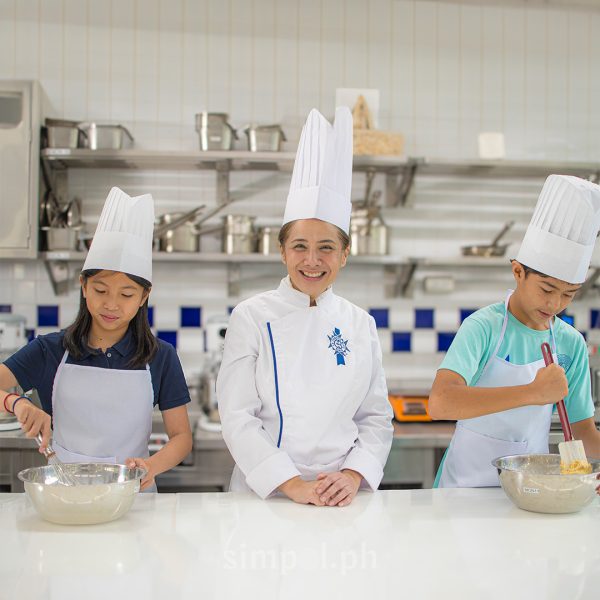
Chef Cyrille led Michelin-starred kitchens — but chose to teach for a deeper impact.“Strict but fair. You don’t drive a Ferrari the same way you drive a Toyota.”
He exposes students to real-world events, kitchens, and service. His advice?
“Absorb everything. Taste everything. Step into unfamiliar kitchens — and stay long enough to grow.”
What the Chef Jacket Really Means
From the halls of a real culinary school, I’ve watched the dream take shape.
And the truth is: becoming a chef in the Philippines still carries weight. But it’s not about the show. It’s about the unseen — the prep, the repetition, the respect for every single step.
We’ve come far. Culinary education no longer needs defending. But behind every polished plate is quiet, unseen labor — and a deep, daily commitment to craft.
If I could tell my younger self one thing, it would be this: Only work in places that care about your growth as much as their profits. And don’t be afraid to evolve. Sometimes, your second dream is your real one.
That’s where the real journey begins — behind the line, in the heat, with your hands doing the work.
About the Author:
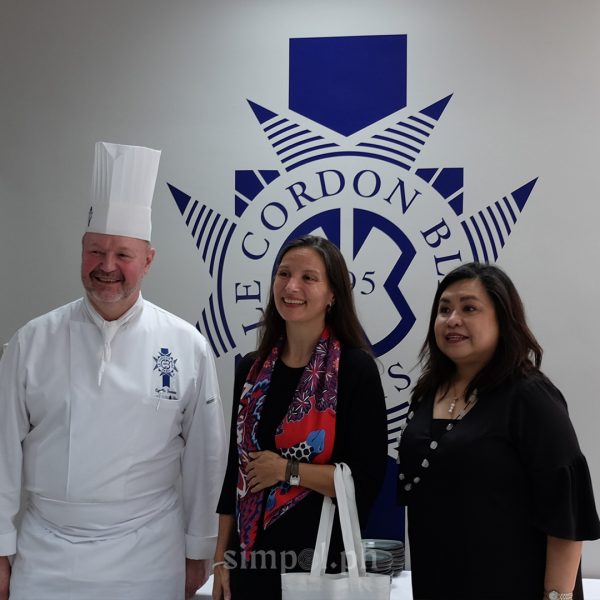
Liza Hernandez-Morales is the Institute Director of Le Cordon Bleu Ateneo. A former hotel executive turned educator, she now mentors the next generation of Filipino chefs with the same discipline, grit, and purpose that fueled her two-decade hospitality career.
Read more stories on Simpol.ph
Chef Kenneth Cacho: Mastery with Heart, Discipline with Soul
The Next Step: Finn Cotton Is Making a Leap Forward
Heirloom in Bloom: Filipino Fashion Designer Jor-el Espina Honors Patis Tesoro
Los Tacos MNL BGC: Where Masa, Memory, and Mole Meet
What Really Makes a Great Chef?
Is it the school you went to?
The raw talent in your hands?
Or the attitude you bring to the line—day in, day out?
We’re asking the chefs, the students, and even the quiet kitchen warriors at home: What do you think separates a good cook from a great one? Join the conversation, comment down below.









1 Comment. Leave new
I love old school cooking ( my Lola’s big kitchen that’s where I realized my passion in food) that’s when you learn to become a good cook and everyday is a learning process, learn from other passionate cook their method from there before you know it you become a great one!