When UNESCO unveiled its latest list of global Creative Cities in 2023, one Filipino destination quietly stole the spotlight: Iloilo was officially named a UNESCO Creative City of Gastronomy.
The recognition placed Iloilo UNESCO Gastronomy City on the world stage—not just for its food, but for how it feeds its people. As a newly minted Creative City, Iloilo now stands among a global network where cuisine is culture, and creativity is a way of life.
That year, only 55 cities around the world were inducted into the UNESCO Creative Cities Network (UCCN)—a program that celebrates urban centers placing culture and creativity at the heart of their development. Food, design, music, and literature aren’t treated as luxuries, but as essential to sustainability, resilience, and inclusive growth. Cities are chosen not just for what they serve, but how they serve their people.
A Seat at the Global Table
Iloilo was the only Philippine city to make the list that year—a quiet triumph with global weight.
For those unfamiliar, the UNESCO Creative Cities Network honors urban centers that place culture and creativity at the heart of development. In this framework, food, design, music, and literature aren’t treated as luxuries. They are essential tools—for resilience, for sustainability, for public good. Cities are invited not just for what they create, but for how they nurture their people through that creation.
Each year, only a handful of cities are selected. Even fewer are recognized under the Gastronomy category. With this designation, Iloilo now shares the table with culinary capitals like Parma in Italy, Tsuruoka in Japan, and Arequipa in Peru. That’s no small thing. It’s a global nod not just to adobo or lechon—but to real, regional, lived Filipino food culture. To recipes passed down, markets bustling with local bounty, and meals that tell the story of a place.
Pilgrimage of Taste
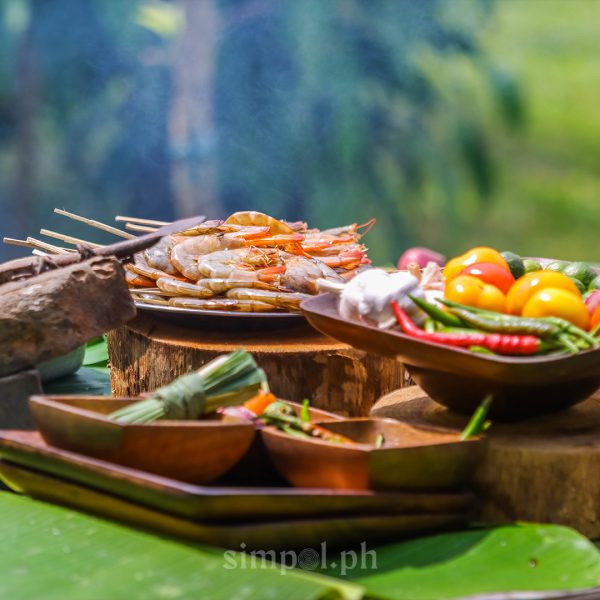
The food of Iloilo inhabits my dreams: smoky, glistening chicken inasal bathed in annatto oil, bowls of batchoy that hum with umami, oysters so briny they seem to sing of the sea. And then there’s molo—our family’s heritage soup, passed from pot to pot like a whispered story.
When I found out I was heading to Iloilo, I was thrilled for weeks. Not just because I was hungry—though I was, deeply—but because I knew I was headed to a place where food is not just sustenance, but a language. In UNESCO Creative City Iloilo, food is offered, shared, narrated. It is a ritual. A way of remembering.
Chinese traders, Spanish colonizers, Visayan farmers, Filipino-Chinese families—all have stirred the pot. Each left a trace in every broth, every grain of rice.
Urban Hospitality, Ilonggo Style
Iloilo is a city that wears its past and future with equal grace. Tucked along the southeastern coast of Panay Island, it was once a major port in the Spanish East Indies—a hub of trade, culture, and colonial power. Today, that legacy lives on, but it shares the spotlight with something more forward-looking. The city is now celebrated not just for its heritage mansions, gothic churches, and iconic batchoy, but also for its progressive governance, walkable boulevards, and a quiet, steady confidence in its people’s way of life.
Coming from Baguio—designated in 2017 as a UNESCO Creative City for Crafts and Folk Art—I was curious to see how Iloilo, now recognized for Gastronomy, had lived up to its title.

A City That Makes Space
The first thing that struck me was the city’s generosity of space. Wide roads. Even wider sidewalks, shaded and thoughtfully designed. On the street where my hotel stood was something rare in most Philippine cities: an elevated central walking and biking lane flanked by trees and lit softly at night. It felt like the city was inviting its people to breathe.
At the Esplanade by the Iloilo River, that intention deepened. Joggers, bikers, and couples lingered by the water, benches tucked into the landscape. The river was not hidden or barricaded. It was close to the heart of the city—like in Taipei or rural Japan. In Iloilo, urban planning is a form of hospitality.
Inasal and Reverence
I began my eating pilgrimage with the classics.
We began with the essentials—no frills, just flavor.
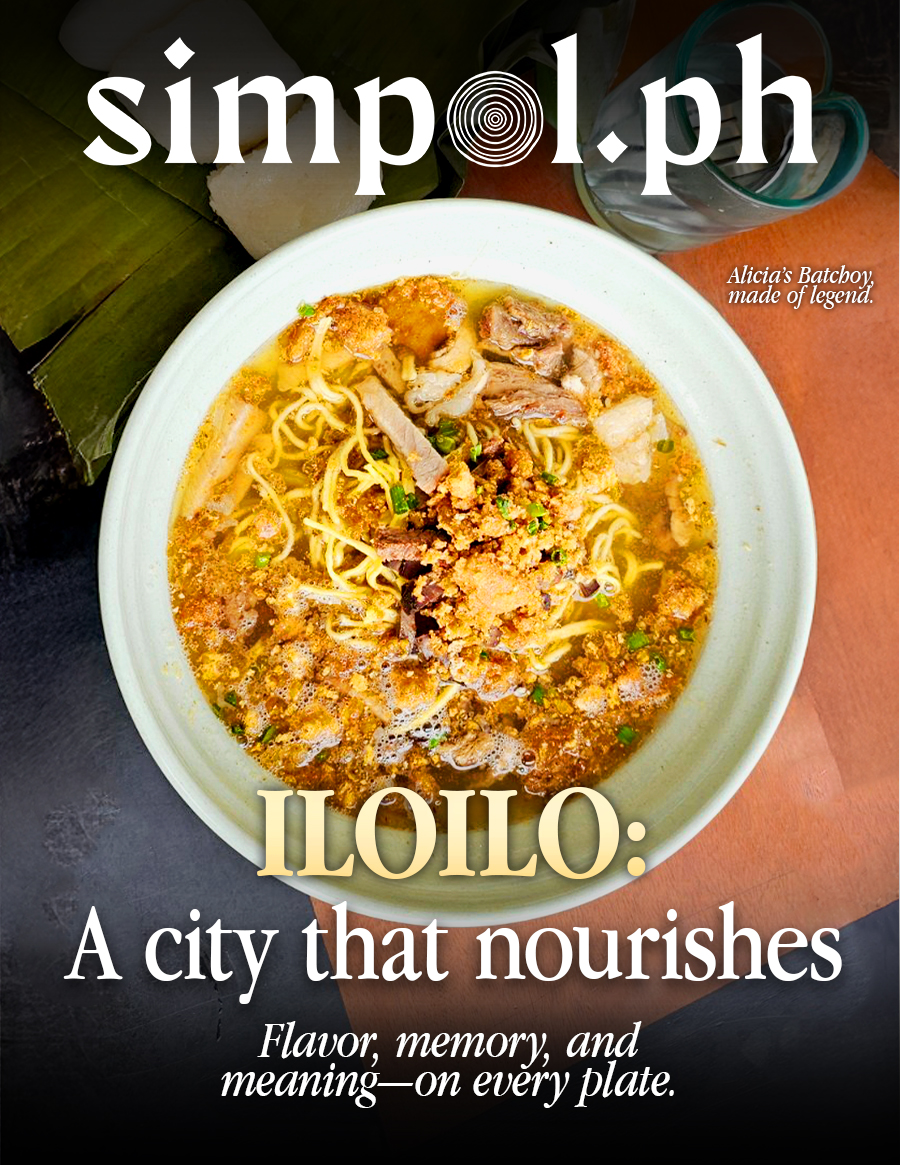
First, Alicia’s batchoy: rich, assertive, impossibly deep. The pork broth, coaxed to its peak with bones, garlic, and offal, clung to every noodle like memory made liquid. Then came Roberto’s siopao, a humble bun that held a vault of savory treasures. No gimmicks. No need for reinvention. Just decades of quiet mastery, steamed into softness.
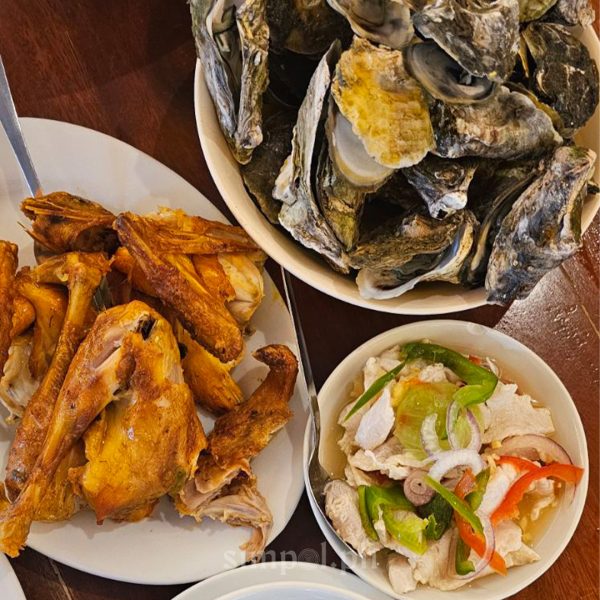
By lunchtime, we were ready for the source. At Tatoy’s, native roast chicken arrived lean and flavorful, its golden skin kissed by smoke. We paired it with kinilaw na tanigue, oysters so briny they tasted of the sea, and a bowl of fish tinola so light and coastal it ached with nostalgia—like summers spent barefoot by the beach.
But dinner? That was something else entirely.
The skies opened. Rain fell fast and unforgiving. We ducked into Barrio Inasal, soaked and laughing, the smell of charcoal guiding us through the downpour. And there, under a canopy lit by bare bulbs, came a revelation on a stick: the most succulent inasal I’d ever tasted. Sweet, salty, tangy—the blistered skin crackled over juicy flesh. It sang with calamansi and vinegar.
And for a moment, everything else went quiet.
I nearly wept.

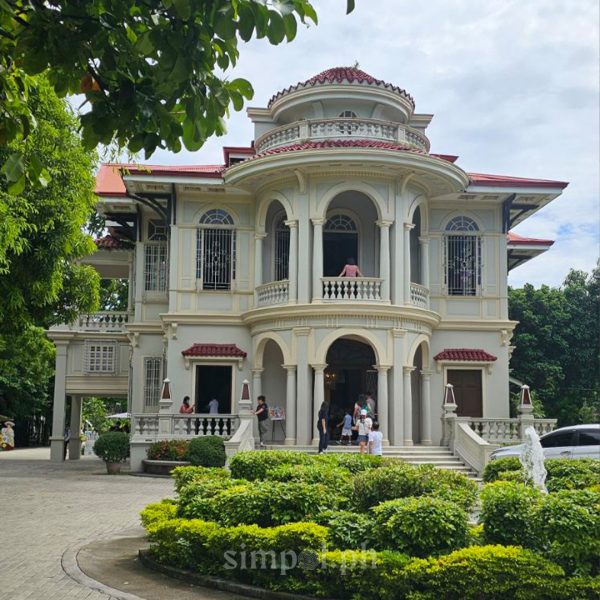
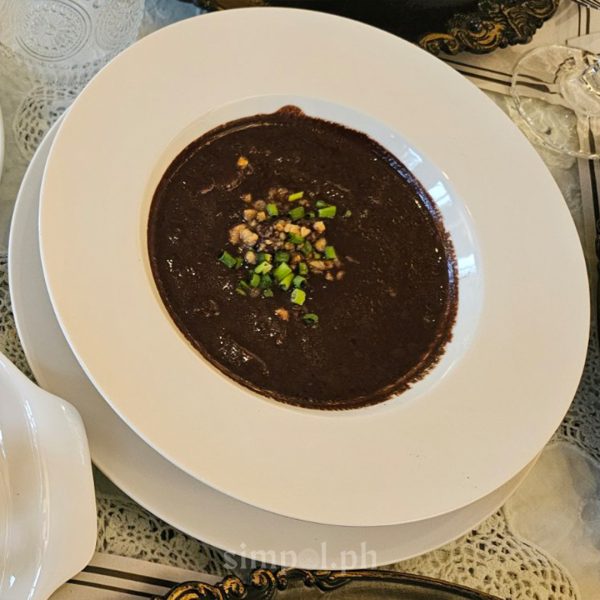
Molo soup by Kap Ising recalls generations of Ilonggo memory—served near the beloved Molo Mansion.
Food of Memory, Acts of Heritage
The next day, I made my way to Kap Ising’s for a bowl of molo soup. It was comforting, familiar—but also unexpectedly emotional. Perhaps because my mother has made the dish her own, I found myself aching for her version. Nostalgia has a way of showing up in the quietest bites.
Still, I lingered in the moment, letting the warmth settle before wandering over to the nearby Molo Mansion and Cathedral.
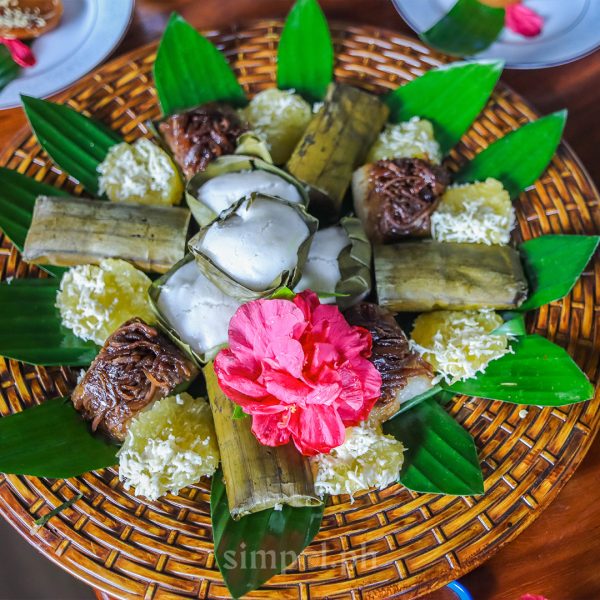
The mansion, now thoughtfully restored, blends past and present with grace. Local shops and galleries fill the ground floor, while heritage details remain intact above. In the garden, cafes hum with quiet conversation. Just outside, street vendors line the walkways—not with packaged snacks, but with food made from scratch: laswa, lumpiang ubod, boiled kamote, tortang talong, turon still crackling from the fryer.
This wasn’t a curated reinvention for tourists. This was living heritage—everyday food served with quiet pride.
Feeding the Future
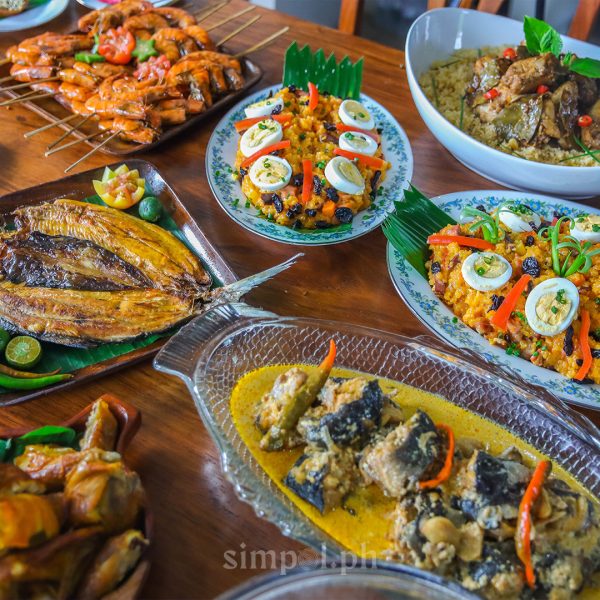
To understand how Iloilo earned its UNESCO title, I met with Leny Ledesma, the city’s program focal point. We shared snacks and hot chocolate at the elegant Agatona Mansion in Jaro. It was there that I encountered the best dinuguan of my life—served on fine china, sauce dark and velvety, laced with batuan’s gentle tartness. Alongside it: puto manapla, dignified and chewy. I wiped the bowl clean—not from hunger, but reverence.
Leny explained that Iloilo’s designation wasn’t merely symbolic. The city had supported urban food gardens, trained vendors in sanitation, and hosted workshops teaching urban mothers how to revive traditional dishes for their families. These stories—and many others—are documented in Iloilo: Creative City of Gastronomy, a beautifully produced book published by the city government in 2024. It’s more than a report; it’s a love letter to a city that believes food should nourish everyone. That’s what makes Iloilo different.
A City That Nourishes
More Than Aesthetic
As the sun dipped below the horizon and the Esplanade began to glow under the soft flicker of street lamps, a quiet truth came into focus: a UNESCO Creative City of Gastronomy cannot thrive on aesthetics alone. Beauty invites, but it’s nourishment that sustains. Creativity, after all, means little in the face of hunger.
And this is where Iloilo sets itself apart.
Here, ambition is grounded in empathy. Culinary pride isn’t kept behind kitchen doors—it’s shared at tables, in carinderias, and through generations. Progress doesn’t descend from the top. It rises from the ground up—tenderly, deliberately, and always with care.
Where the Future Is Already Cooking
Because if Iloilo teaches us anything, it’s that the future of food won’t be built solely by chefs or policymakers. It will be shaped by mothers stirring pots, farmers tending their fields, vendors feeding entire neighborhoods, and children growing up with full bellies and open futures.
That future—one kinilaw, one garden, one pot of dinuguan at a time—isn’t just a dream.
It’s already simmering.
About the Author
Waya Araos-Wijangco is a chef, educator, and food systems advocate. She is the founder of Gourmet Gypsy and The Open Hand School for Applied Arts. A passionate storyteller, she writes at the intersection of culture, community, and cuisine—often with a spoon in one hand and a notebook in the other.
More from Iloilo, only on Simpol.ph:
-
Ilonggo Flavors Take the Spotlight: Iloilo City Launches National Culinary Heritage Book — A deep dive into Gastronomic Expressions of Our City, Iloilo, a 244-page celebration of Ilonggo recipes, culture, and geography.
-
Filipino Tablea Chocolate: How One Woman in Iloilo Is Reviving a Heritage Tradition — Meet the artisan in Cabatuan bringing traditional cacao tablea back to life.
-
Secrets We Refuse to Keep: That Green House in Jaro — A charming feature on Hinolan’s barquillos, a three-generation Ilonggo wafer legacy.
-
Meet the Woman Behind Miag-ao Artisanal Sea Salt — Explore the revival of traditional salt-making with Lorlie Paguntalan Noblezada.