In the heart of the Negros organic farming movement, Ramon “Chin-Chin” Uy Jr. is rewriting the story of how food is grown in the Philippines.
What began as a backyard composting project has blossomed into a full-fledged revolution—rooted in native crops, community resilience, and a commitment to regeneration.
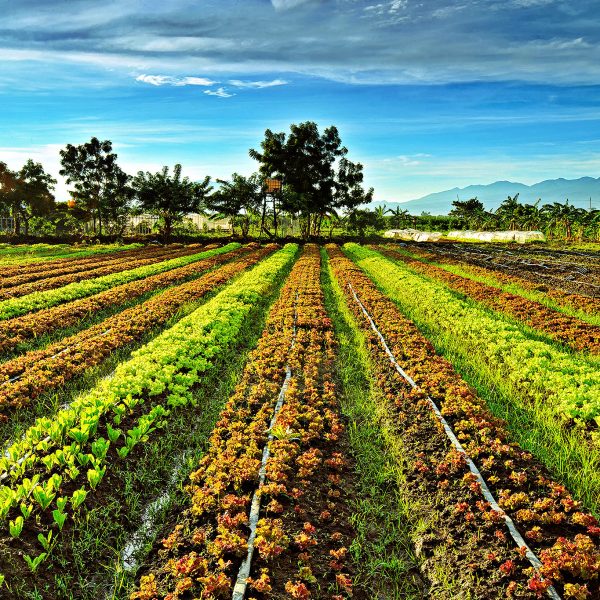
The Uys came from metalwork. Their family’s foundry supplied machinery to sugar mills. But when Chin-Chin and his wife considered starting a business, they didn’t return to iron—they turned to soil. Using scrap vegetable waste, they began producing organic fertilizer. “Seeing the produce thrive in organic soil opened us up to the world of organic farming,” he recalls.
It began in their backyard, where the scent of decomposing greens and soil filled the air. Hand-turned compost steamed lightly in the morning chill. The soil was soft, dark, and fragrant—rich with life. Seedlings pushed through, leaves still glistening with dew.
This one small shift—waste to fertilizer—would grow into a movement that would change how food is grown, valued, and consumed across the island.
“We were disrupting and revolutionizing an entire food system by growing organic.” — Ramon Uy Jr.
A Compost-Led Awakening
The turning point came when the couple realized that imported, oil-based fertilizers dominated Filipino agriculture. “We were capable of producing everything locally since the only raw material needed was waste,” Uy explains. That insight sparked an ambition beyond business. It became a vision for local food sovereignty: what if communities didn’t have to depend on external systems to survive?

From that point, their demo garden grew into Fresh Start Organics—a closed-loop business rooted in compost, native crops, and community resilience. It wasn’t just about growing food. It was about rewriting the rules of who controlled it.
Negros Occidental, where this movement took root, now leads the country in organic agriculture. According to provincial data, over 16,000 hectares of farmland across the province have been dedicated to organic cultivation, with nearly 500 farmers now third-party certified. Government support, through ordinances and training, helped fuel this shift, but it was grassroots changemakers like Uy who ensured its success.
Community Builder, Market Maker
Uy didn’t stop at soil. He helped cultivate a regional identity. In 2005, he helped form ONOPRA (Organic na Negros! Organic Producers and Retailers Association), a collective that would rally farmers, retailers, chefs, and advocates under a shared mission: to turn Negros into the Organic Food Bowl of Asia.
Through Earth Markets and partnerships with chefs, Uy helped farmers reconnect with buyers and build dignity through their work. These markets brimmed with color—bundles of mustard greens, native tomatoes, freshly dug yams. The air carried the aroma of brewed coffee and the earthy scent of just-harvested root crops. Conversations between farmers and customers echoed with laughter and shared pride.
“In the past, many farmers had lost hope. They didn’t see a future in farming,” he says. But with organic agriculture and fair trade principles, farmers began to believe again.
“We realized we could grow food independently, using fertilizers made from waste.”
This shift is reflected not just in optimism but in income. Organic farming has helped boost farmer earnings by up to ₱100,000 annually, according to data shared by Uy and local government agencies. That’s not just sustainability—it’s progress that feeds families and restores pride.
ALSO READ:Italy to the Islands: How Terra Madre is Inspiring a Filipino Food Movement
Discover how Filipino changemakers are reshaping food systems through Slow Food’s global gathering, Terra Madre.
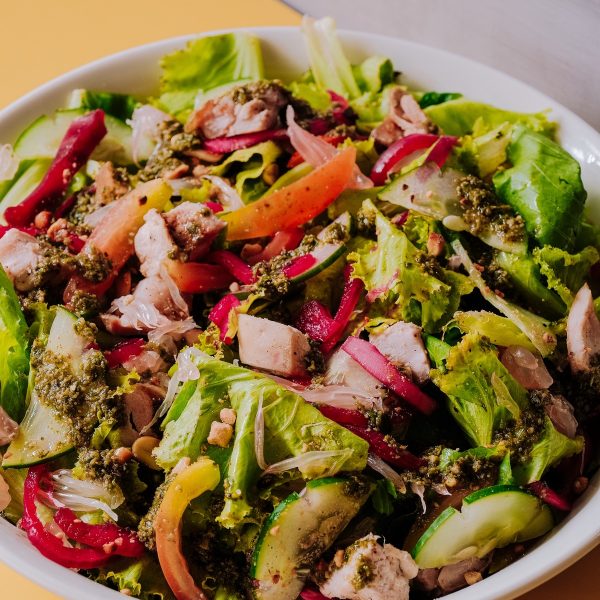
The Regenerative Way
For Uy, the goal is no longer sustainability. It’s regeneration.
“Sustainable is no longer enough. Regeneration is the future.”
That means rebuilding ecosystems, restoring culture, and rethinking how we take up space.
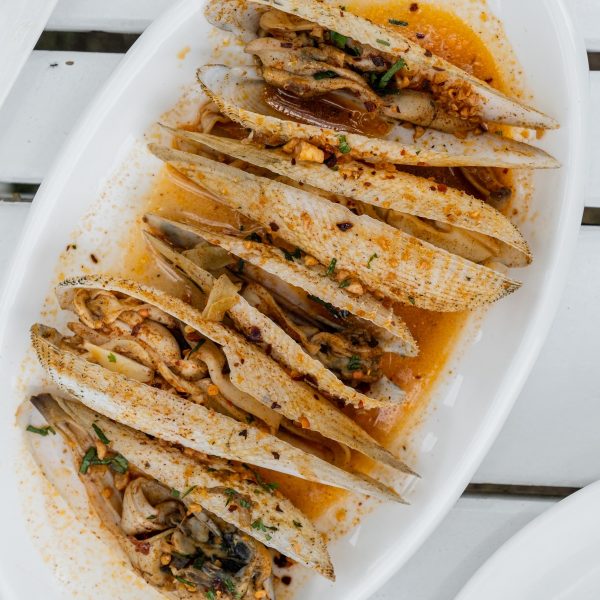
A large part of that work involves protecting native crops. Through his work with the Slow Food movement, Uy champions endangered heritage ingredients on the Ark of Taste. “Heirloom native crops have grown alongside our culture for generations,” he says. “If they disappear, a part of our identity disappears too.”
As of 2024, Negros Slow Food communities have helped reintroduce over a dozen native ingredients into public awareness—from kadios to native rice—bringing biodiversity back to the table.
Leading Locally, Acting Globally
Today, Uy serves as a Southeast Asia councilor for Slow Food International and sits on the board of IFOAM Asia. He has helped position Negros as a case study for community-powered agriculture on the global stage.
Uy has been an active delegate and speaker at multiple Terra Madre Salone del Gusto events in Italy, the flagship international gathering organized by Slow Food. There, he has shared stories of Negros’ transition to organic farming, the preservation of native crops, and the power of farmer-led change. He often highlights ingredients from the Ark of Taste—like kadios, adlai, and native muscovado sugar—to showcase the rich biodiversity of Filipino foodways.
More than just a speaker, Uy views Terra Madre as a vital learning space. “You feel the energy of thousands of people working on the same dream. It makes you realize this work—however local—is truly global,” he shared.
Yet even with international recognition, he remains grounded. His favorite moments? Still the small ones. Like seeing a proud farmer at the market, offering their produce to customers who now see their worth.
“Success is daring to challenge and disrupt broken systems.”
Living the Mission
Uy’s daily life reflects his ethos. He skips breakfast, stays off chemicals, and dreams of a new destination restaurant that brings together food, culture, and community. His go-to dish? A humble, nourishing laswa—“prepared using whatever fresh vegetables are available from the farm.”
He describes it with reverence: “It smells like comfort—garlic, onion, and squash simmering slowly in broth. There’s nothing fancy. Just honesty in a bowl.”
As for legacy, Uy hopes the next generation learns that success is not just about building—it’s also about daring to disrupt. “We reshaped something broken and made it better,” he says.
From a pile of compost, he planted a movement—one that now takes root in communities across the island and continues to flourish.
Learn More About the Movement
Visit the Farm
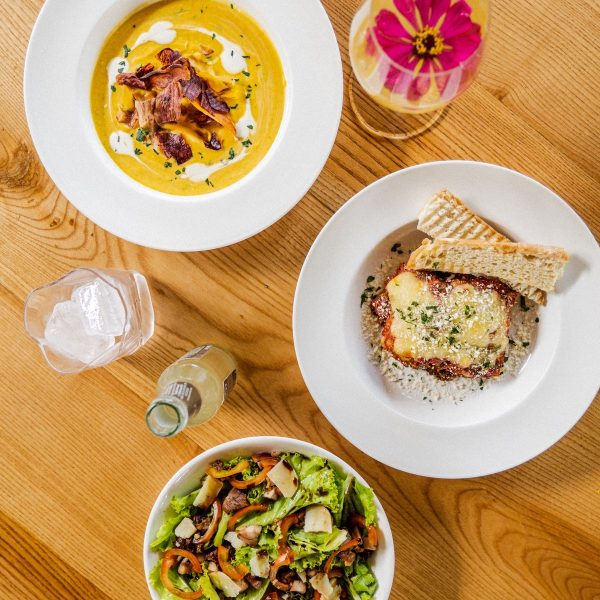
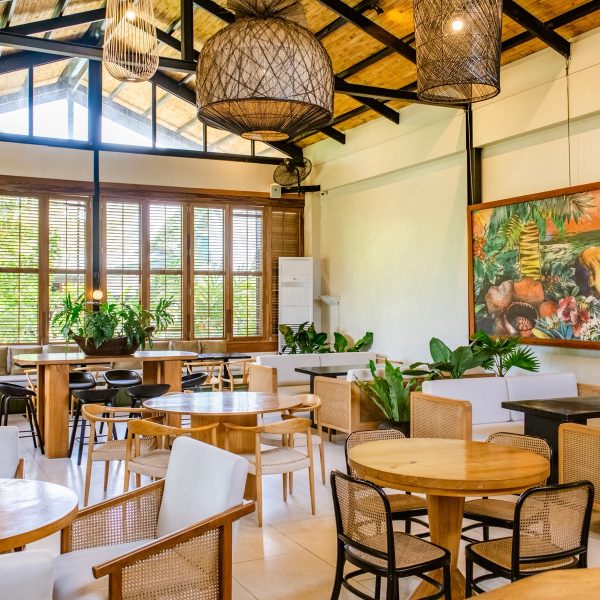
Experience farm-to-table dining rooted in regeneration at The Lanai at Fresh Start Organics. Located in Bacolod, it’s more than a restaurant—it’s a living expression of the Negros organic farming movement.
Connect with Fresh Star
Facebook: Fresh Start Organics
Instagram: @freshstartorganics
Website: www.freshstartorganic.com
More Stories from the Ground Up
Damayan: What Mushrooms Teach Us About Feeding a Nation
Chef Waya Arias-Wijangco joins mountain farmers in Sagada to explore how mushrooms and mutual aid can nourish a more resilient Philippines.
Purpose on a Plate: Chef Jonas Ng on Leading with Meaning
From bold menus to bold missions, Chef Jonas Ng shares what it means to cook with conscience in today’s restaurant world.