A Journey Through the Dark Roads of Mindanao
We left Cagayan de Oro under cover of darkness, determined to reach Davao by morning. The Sayre Highway stretched long and quiet, save for the occasional glow of a gas station. Somewhere near Valencia, we missed the turn to Buda—a small mistake that cost us 20 kilometers and a growing sense of unease. But what stayed with me long after the trip wasn’t the delay—it was the sharp realization of just how hard Mindanao food security is to achieve when basic infrastructure is this broken.
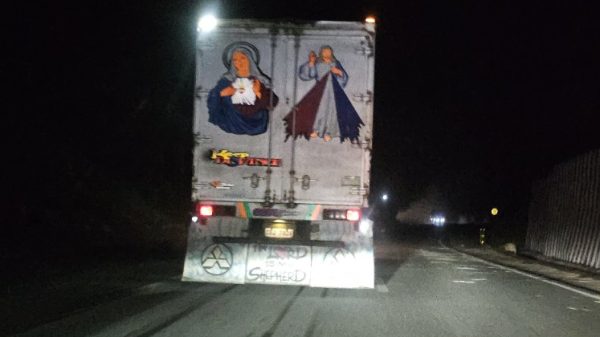
We rerouted via a bypass road that promised a shortcut. At first, it was smooth—tranquil, even. Then the asphalt narrowed. Pavement gave way to gravel, then to dirt. Deep ruts jolted our car like a wooden cart on cobblestones. And with each jolt came a deeper understanding: Mindanao’s agricultural logistics challenges aren’t abstract—they are deeply, physically felt by anyone trying to move food, people, or goods across these roads.
And then I remembered: a trip to Surigao years ago, pregnant with my second child. Locals had warned me not to take a particular road: corrugated, they called it. I asked why. One of them laughed and said in Visayan, “Kung mudalan ka dira, mukurug ka gyud. Kaya kurugited.” If you pass there, you’ll shake for sure. That’s why it’s called kurugited.
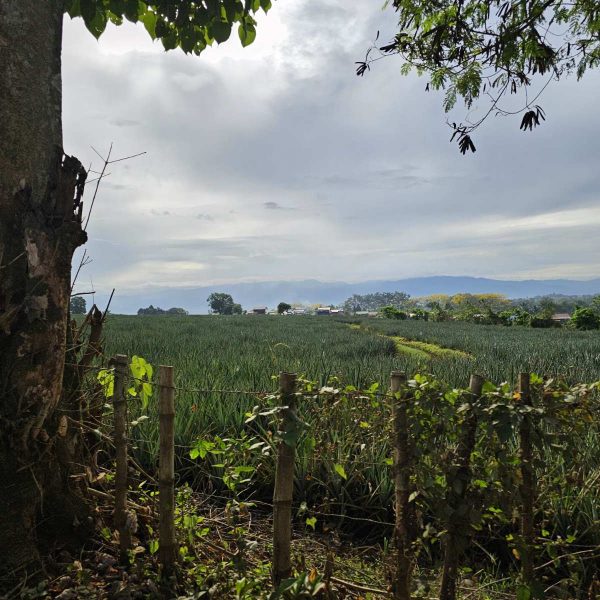
We had laughed then. But on that dark Bukidnon bypass, I wasn’t laughing. I felt every kurug in my bones, each jolt a painful reminder of how hard it is to get anywhere in these parts—let alone move produce across provinces. That night was more than a detour—it was a crash course in the real barriers to food accessibility in Mindanao.
We turned around, made our way back to the main road, and eventually reached Davao in time for the Mindanao leg of WOFEX. But that night stayed with me—a physical and metaphorical jolt I couldn’t forget, and one that sharpened my understanding of the urgent need to invest in Mindanao’s food supply chain.
Mindanao: First Impressions and Lasting Impact
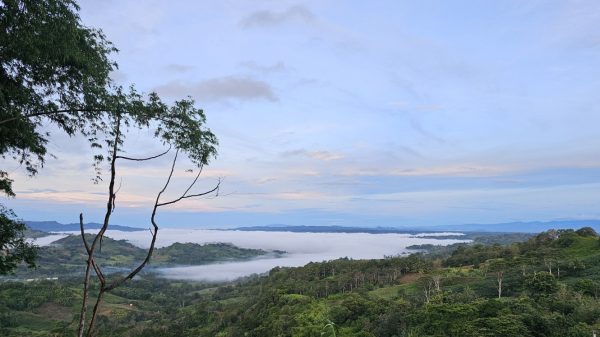
The first time I saw Mindanao was in the late ’90s, from the smudged window of a plane tracing the southern coastline. The island revealed itself slowly: rows of coconut palms, sun-drenched banana plantations, women in malong moving gracefully through dust, and children with eyes too wise for their years.
I had come to work on a community-based tourism project. I left with part of my heart permanently anchored to the island.
Since then, I’ve returned again and again. I’ve traveled the Pacific coast of Caraga, sailed through the Sulu and Tawi-Tawi archipelagos, driven the steep roads of Buda, and trekked across ARMM long before it became BARMM.
As a chef, I discovered ingredients that surprised and challenged me: palapa from Maranao kitchens, made fiery and sweet by sakurab; durian from Nabunturan, unforgettable in scent and flavor; fish from Basilan so fresh it tasted like tidewater. But more than the flavors, it was the people who drew me back—farmers who smiled through hardship, fisherfolk who gave what little they had, women who could conjure feasts from nothing. Mindanao food systems, like its people, are resilient—but they are also fragile, made vulnerable by policy gaps, poor logistics, and chronic underinvestment.
The Paradox of Abundance
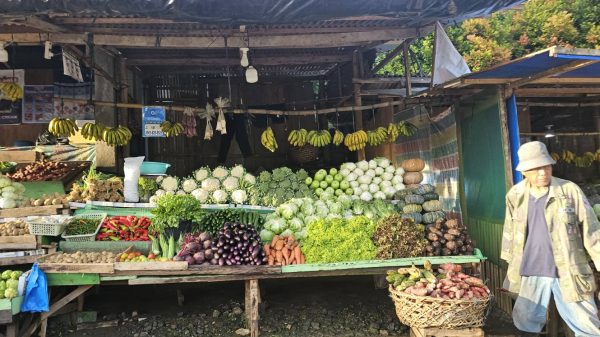
Mindanao is often called the food basket of the Philippines. And yes, the abundance is staggering. But abundance doesn’t equal access. According to government data, over 80% of farmers and fisherfolk in Mindanao remain poor or near-poor. BARMM reports the highest rate of moderate to severe food insecurity in the country, with nearly half of all households affected.
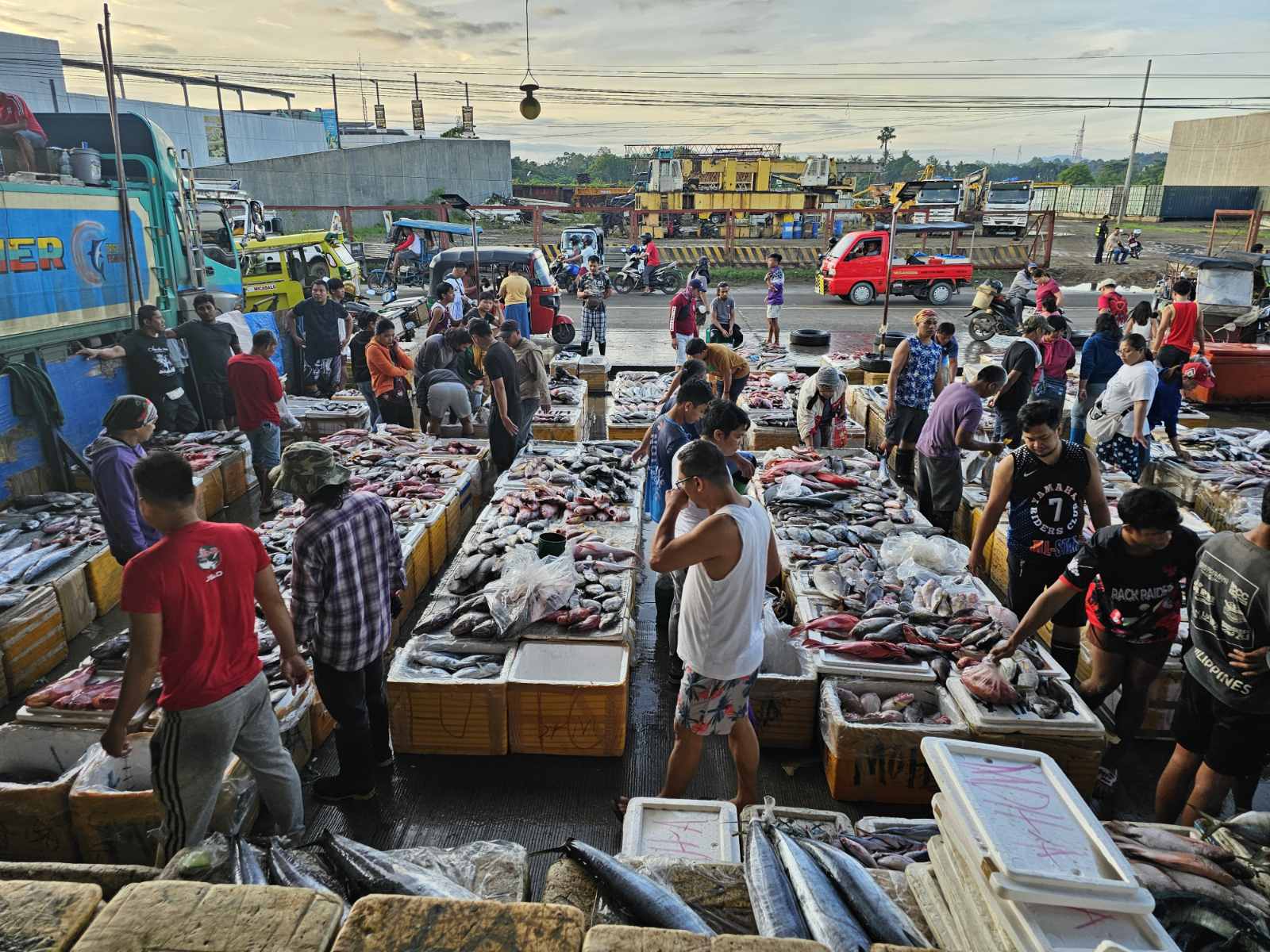
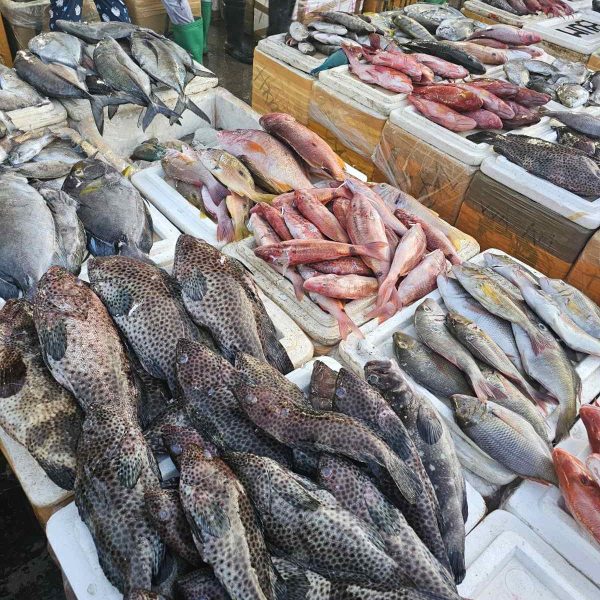
How do you grow so much food and still go hungry? It happens when mangoes grow where there are no roads, when fish are caught where there’s no cold storage, when rice is harvested but never delivered because the cost of transport exceeds the value of the crop.
This isn’t just a logistics problem—it’s a national failure to support Mindanao’s role in Philippine food security.
Policy Must Match Potential
Mindanao hasn’t failed—it has been failed. Failed by politicians who made grand promises and delivered little. Failed by corporations that took what they could and left communities behind. Failed by national policies that treat the island as an afterthought, not the agricultural powerhouse it is.
To unlock Mindanao’s potential, we need reliable infrastructure—roads, ports, and cold chain systems that actually work. We need accountable governance, not photo ops or platitudes, but real leadership rooted in listening and action. And we need sustained support for farmers: access to training, fair credit, secure land rights, and protection from exploitation.
Mindanao is not peripheral—it is central to the Philippines’ agricultural future. It’s time we treated it that way: in policy, in investment, and in the national narrative.
Food as Identity and Hope
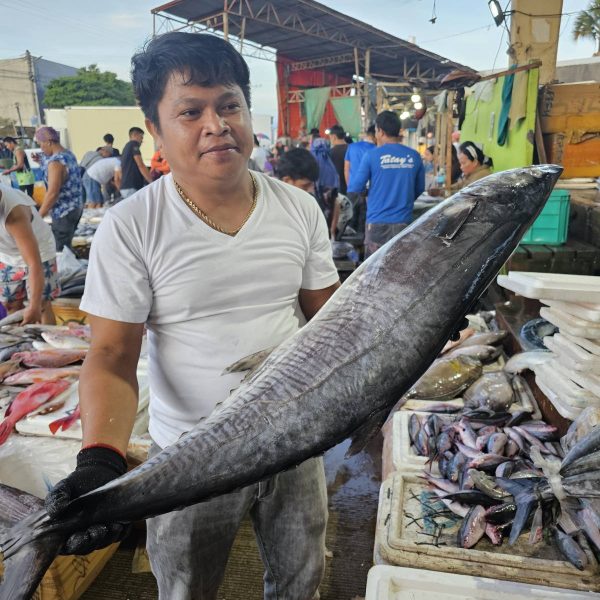
Every bowl of tiyula itum, every grilled banak, every turmeric-laced broth is more than a meal—it’s memory. It’s resistance. It’s identity. Mindanao’s food is not just sustenance; it is story, survival, and soul.
There is hope. I’ve seen it in Bukidnon’s farm tourism efforts, in the rise of halal kitchens in Cotabato, in social enterprises working with Indigenous communities to preserve foodways. But these sparks need fuel. And Mindanao deserves more than just sparks. It deserves the full fire of national support.
One Long Table
Food connects. It bridges distance and difference. It softens hardened biases and makes strangers feel like kin.
I dream of a Philippines gathered around one long table: kinilaw from Surigao beside bagnet from Ilocos, tiyula itum beside Bicol Express. Everyone fed. Everyone seen.
Mindanao can feed the Philippines. But first, we must feed Mindanao—with infrastructure, with investment, and with the political will to right decades of neglect.
And when we do? The harvest, like the island itself, will be abundant. And finally, sweet.