At 4:20 p.m., nothing really happens—at least, not in any obvious way. The streets sound the same, the light does not shift, and the day carries on like any other. But for some people, there is a small pause. Someone checks the time and smirks. A message pops up: “420.” No explanation needed.
In the Philippines, that is usually where it begins and ends.
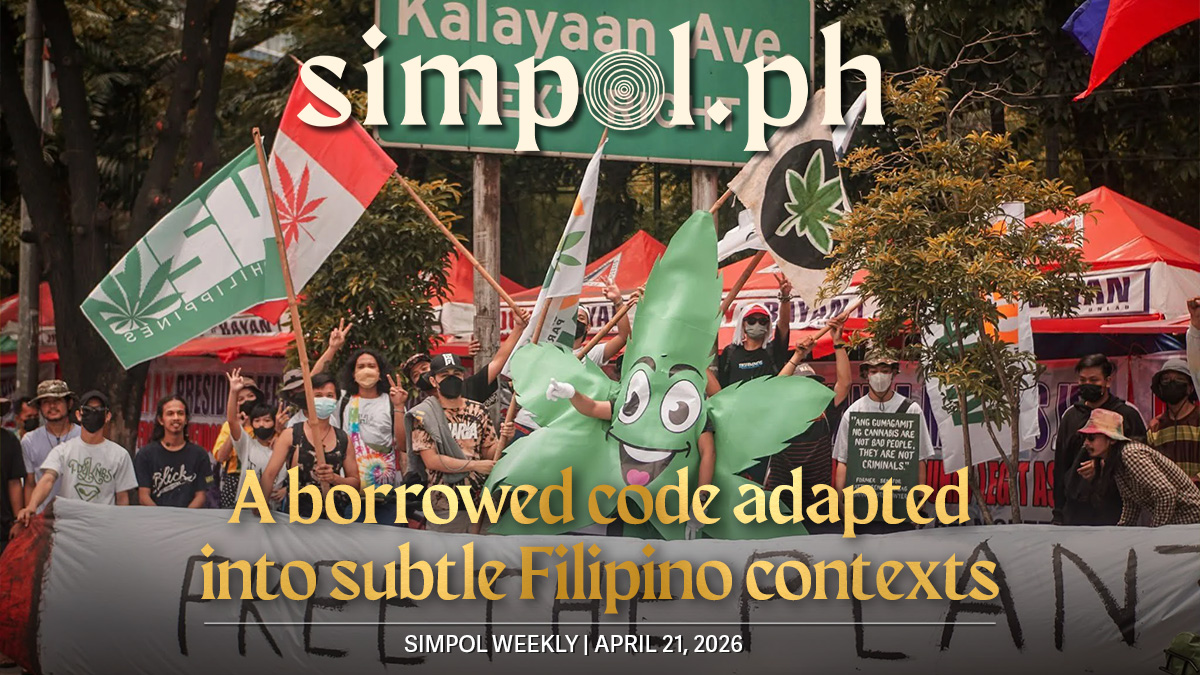
The term itself comes from a very specific place—a group of teenagers in California in the early 1970s who used “420” as a code. Over time, it spread far beyond them, carried by music, movies, and eventually the internet, until it became shorthand for something widely recognized. In other countries, especially where laws are more relaxed, April 20 has turned into a full-blown event. Parks fill up, festivals are organized, and the day takes on a kind of celebratory energy.
Here, it is different—not quieter in a secretive way, just more casual and more detached from the original meaning.
Most of the time, 420 shows up as a reference rather than a practice. You will see it in tweets, TikToks, and group chats. Someone posts a screenshot of their phone at exactly 4:20. Someone else replies with a meme. The tone is light, sometimes ironic, sometimes simply for the sake of being in on the joke. It is less about doing anything and more about recognizing what it stands for.
In a typical setting—maybe an office nearing the end of the workday or a group of friends hanging out—the moment passes almost like background noise. “Uy, 4:20 na,” someone might say, half-laughing. A few people react, others do not. The conversation moves on. There is no buildup, no follow-through—just a quick shared understanding, then back to whatever was already happening.
Online is where it feels a bit more alive. Filipino users tend to lean into humor, so the posts are rarely serious. They joke about needing a break, about the time itself being a “signal,” and about global culture bleeding into everyday life. For Gen Z especially, it fits neatly into a kind of humor that thrives on being slightly random but widely understood.

What is interesting is how broad that understanding has become. You do not have to be part of any specific scene to know what 420 means. It is one of those things you pick up just by being online, the same way people learn slang from memes or absorb references from shows they have never fully watched. Even people who do not care much for it often recognize it when it comes up.
That kind of awareness says more about cultural flow than anything else. The Philippines has always been adept at absorbing outside influences and reshaping them into something that fits locally. 420 is just another example. It arrives with a specific meaning, but over time, it softens, shifts, and becomes something more neutral.
There is also something distinctly simple about how it is treated. No big statements, no need to turn it into an event. It is simply there—a small, shared reference that people can acknowledge or ignore. Either way, it does not demand much.

If you pay attention at 4:20, you might catch those small signals—a notification, a joke, a passing comment. Or you might miss it entirely. That is part of it, too. In the Philippines, 420 does not try to stand out. It blends in, existing somewhere between global trend and local habit.
And maybe that is why it sticks—not because of what people do at that exact minute, but because of what they understand when it comes around.
Read more Stories on Simpol.ph
A Leaf of Hope: Filipino Students Find Anti-Cancer Potential in Cassava Leaves