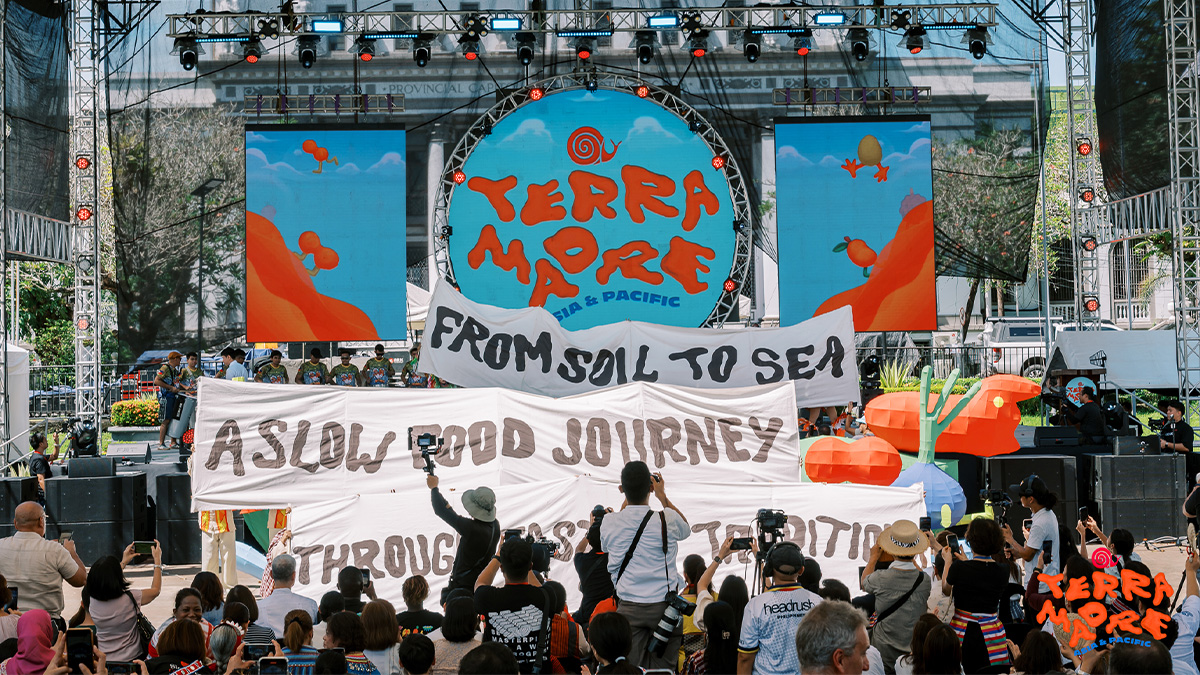
Long before hashtags made “local,” “artisanal,” or “heritage” fashionable, the Slow Food Movement was already defending the things that matter—endangered food traditions, biodiversity, and the idea that food is memory, identity, and culture. Founded in Bra, Italy by Carlo Petrini, the movement grew into the global Terra Madre network, gathering farmers, cooks, producers, and thinkers in Turin every two years. I had always seen Terra Madre Italy as a pilgrimage—an extraordinary gathering of the world’s most meaningful ingredients and the people who keep them alive.
This year, that pilgrimage came to us. Terra Madre Asia Pacific opened in Bacolod, the first time the festival touched Asian soil. The city’s agricultural soul and generosity made it feel inevitable. Standing there among farmers, chefs, advocates, and artisans felt like turning a page in Philippine food—one long waiting to be written.
Day 1 — Abundance Revealed
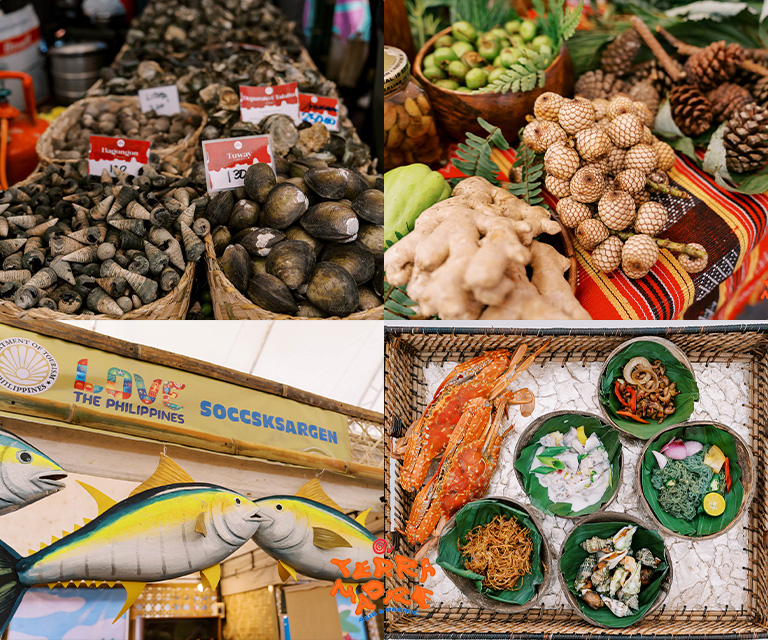
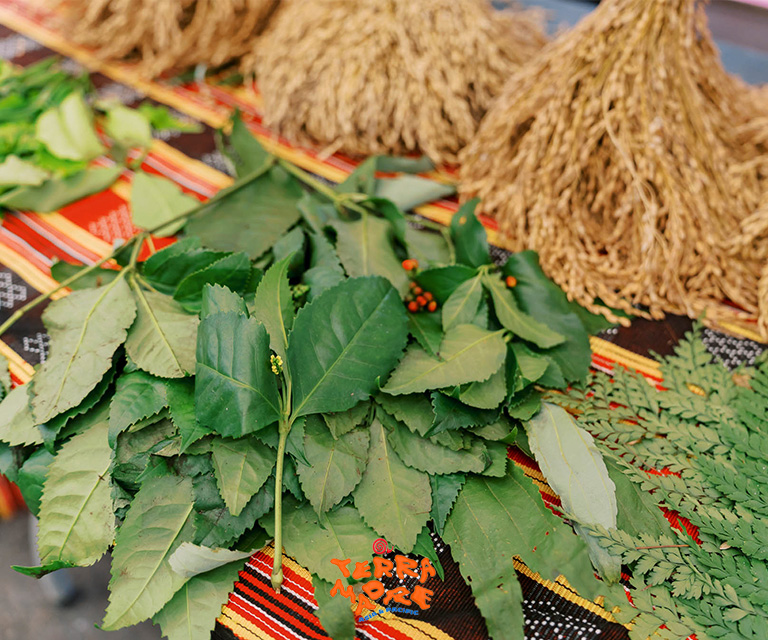
My first day in Bacolod was a reminder of how blessed this country is. Piles of root crops smelling of earth. Vegetables and fruits still cool from the morning harvest. Seafood shimmering on ice. The abundance was grounding and exhilarating.
Among them were varieties I rarely see in Manila—ingredients that quietly flourish in our provinces yet remain unknown to many Filipinos. Their beauty was bittersweet. These treasures shouldn’t be hidden in the corners of our own geography.
Day 2 — The Coconut as Compass
We began Day 2 before sunrise, weaving through market stalls for ingredients for our Taste Workshop. Morning markets always center me. The chorus of vendors. The scent of cut greens. A city hums itself awake.
Our workshop focused on a single ingredient that binds cuisines across the tropics: the coconut. Our theme, “Coconut Interpretations: Binding Flavors and Traditions Across the Seas,” celebrated how deeply coconut anchors Southeast Asian and Philippine kitchens.
Chef Jayjay SyCip opened with binabak, an Antique dish where shrimp and coconut meat are pounded together, wrapped in banana leaves, and steamed. I followed with a clam binakol—coconut water simmered with galangal, lemongrass, kaffir lime, and chili—and pancit buko, tender strips of young coconut sautéed in shrimp stock, soft and sweet but savory on the tongue.
Chef Hafizzul “Fiz” Hashim of Singapore prepared a jackfruit and ubod rendang, rich in coconut milk and aromatics but restrained and thoughtful. We closed with Chef Rhea Castro-SyCip’s buko pie: flaky crust, tender coconut, custard deepened with gula melaka. It was indulgent and rooted.
By afternoon, the street food tunnel was packed. Vendors sold out daily. People waited in long lines for heritage flavors. Hunger—for authenticity, for truth, for the taste of home—never lies.
We ended the day with seafood at Gina’s. Simple, fresh, and eaten with gratitude.
Day 3 — Markets, Marlin, and Momentum
The third morning began at Burgos Market with Chefs Rhea SyCip, Myke Tatung, Gel Salonga-Datu, and Chef Fiz. We admired produce, exchanged insights on sustainability, and let the market set our pace. We found a massive marlin jaw, had it grilled at a nearby carinderia, and ended up with the most succulent panga imaginable. This is the magic of markets: discovery, improvisation, and community.
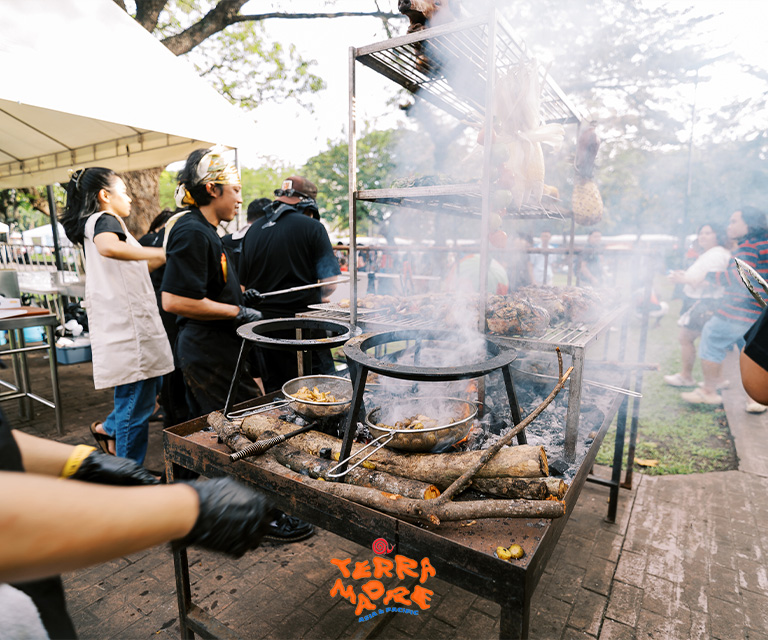
Back at the festival grounds, the street food tunnel was electric. The lines for Enting’s of Sagay and Toyo stretched endlessly. It was proof that regional food isn’t niche—Filipinos will always show up for dishes that carry memory and place.
Economics ultimately decide which recipes survive. Seeing vendors sell out every day gave us hope. Tradition thrives when communities choose it.
Dinner at Aboy’s ended the day—tables filled with delegates, conversations weaving from advocacy to technique to the simple joy of being together. It felt like a homecoming.
Day 4 — What We Keep, What We Carry
The last day arrived too soon. Breakfast at Café Bascon with Tita Maggie Ledesma Jalandoni, a meeting with DOT Usec. Verna Covar-Buensuceso, and then a quick reunion with Reena Gamboa at the launch of Doreen Gamboa’s works, accompanied by Romy Dorotan’s soulful cooking.
Lunch took us deep into the countryside to 7Hectares, Kiko Torno’s biodynamic fish farm. The drive was so remote even Google Maps gave up, but every wrong turn was worth it. Chef Gus Sibayan and Kiko served a ten-course off-grid seafood degustation—freshness, terroir, and restraint expressed with honesty. No theatrics. Just skill, tradition, and respect for the day’s harvest.
Kiko said something I won’t forget:
“Chefs’ equipment is just there to make your life easier, but we should never sacrifice the tradition and the personality of the dish.”
Before leaving Bacolod, I picked up lumpia and empanada from Emma Lacson’s. A final bite of the city to carry home.
What Terra Madre Asia Pacific Leaves Behind
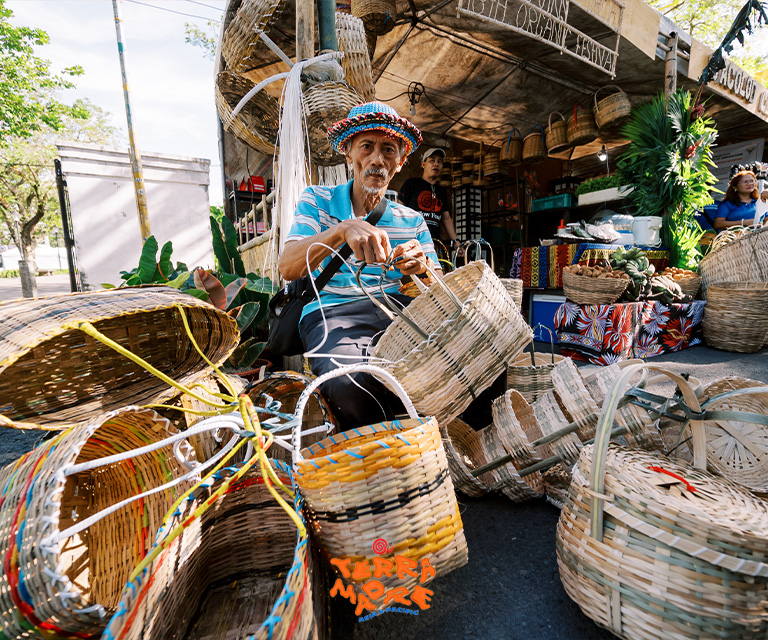
What made Terra Madre Asia Pacific extraordinary was not the food but the people behind it. The farmers who rise before dawn. The fisherfolk who face our changing seas. The chefs who refuse to dilute tradition. The producers who protect heritage crops with quiet, stubborn devotion. And the volunteers who made the festival possible.
To the Terra Madre core team, organizers, and the people of Bacolod—you made history. You showed the world the power and depth of our food community.
As my plane lifted off, my luggage was heavy with ingredients, but my spirit carried something heavier: responsibility. Terra Madre was not just a festival. It was a reminder of our stakes.
Our farmers stand at the frontlines of climate change, price volatility, and systemic neglect. Yet they continue to coax abundance from land and sea so the rest of us may eat.
If we claim to believe in sustainable gastronomy, our commitment cannot end at the plate. It must extend to fair prices, dignified livelihoods, resilient food systems, and policies that protect those who feed us.
Festivals are bright for a moment. The real work begins after the tents come down—
buying from farmers, choosing seasonal and indigenous produce, honoring tradition, and demanding a food system rooted in justice, not convenience.
My advocacy remains simple:
a Philippines where farmers are valued, markets thrive, slow food is a birthright, and food security is treated not as aspiration but as justice.
Terra Madre showed that this future is not impossible. It already exists—in our soils, our seas, our hands.
All it asks is that we choose it, protect it, and pass it on.
Slow. Steady. Together
Read more Stories on Simpol.ph
Pinas Simpol: The Love and Lore of Filipino Cooking
Chef Tatung Launches Pinas Simpol: The Love and Lore of Filipino Cooking
Beyond the Michelin Star: What Recognition Really Means for Filipino Food