

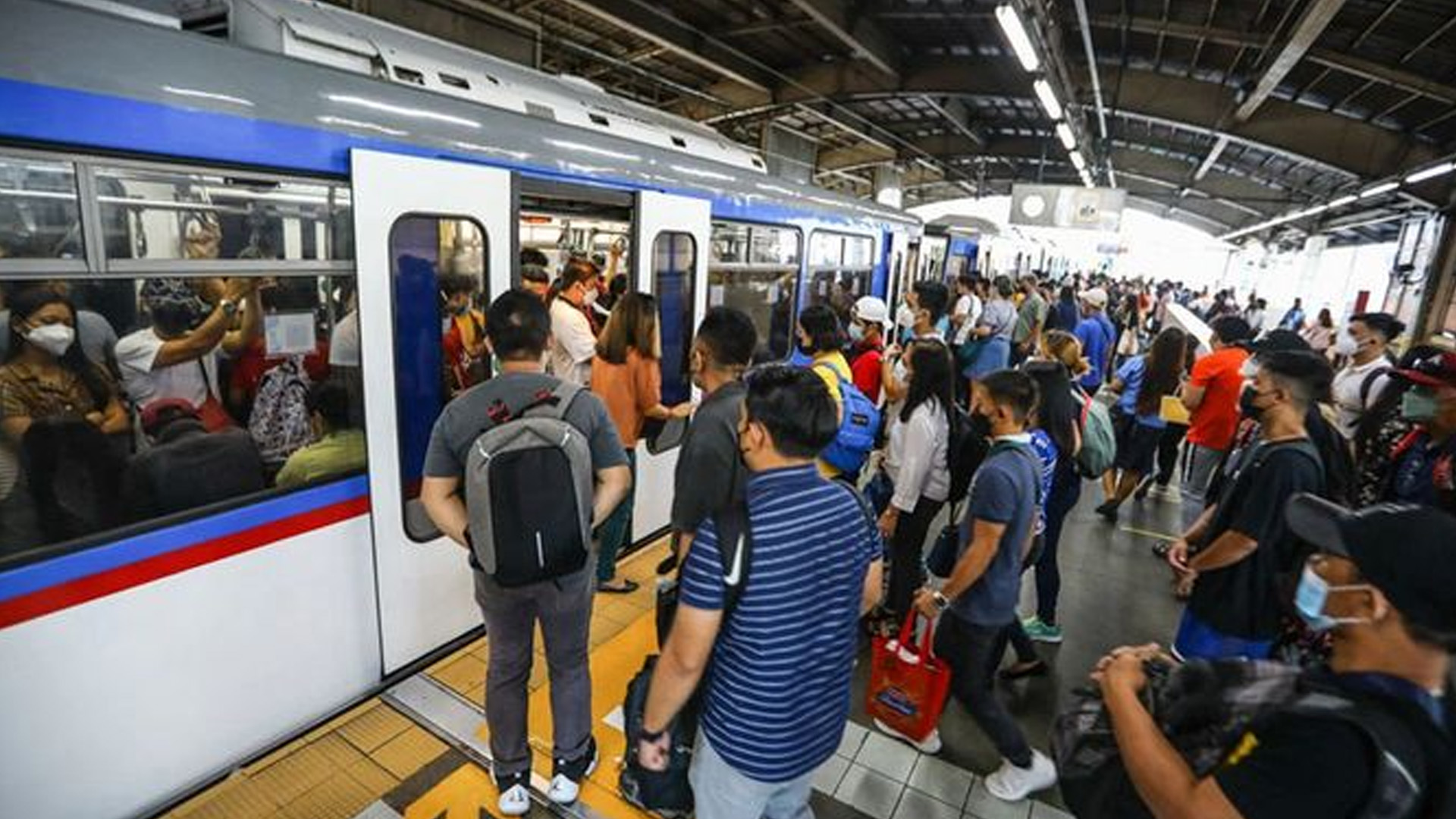
When Filipinos say they’re tired, they rarely mean just a lack of sleep. They mean they’ve hit their limit.
Burnout in the Philippines runs deeper than fatigue—it’s a survival mode shaped by economic strain, broken infrastructure, and constant social pressure. We juggle jobs, skip rest and trade joy for obligation. And we still feel guilty when we stop.
Everything Feels Like a Fight
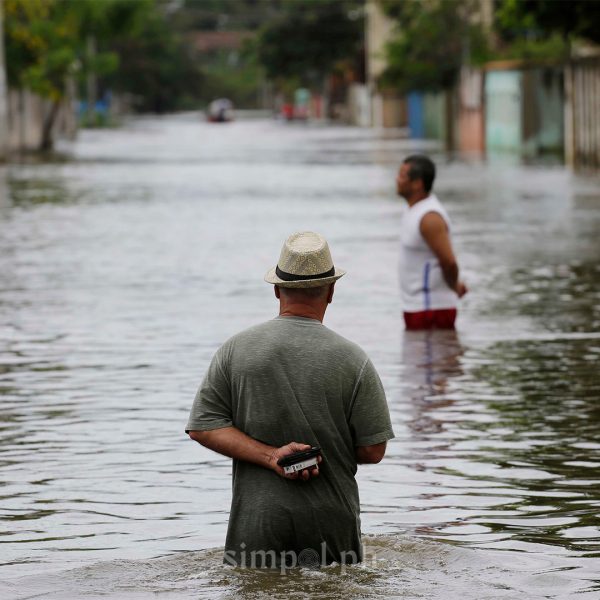
In the Philippines, even the basics demand effort. People wade through floods to rescue a motorbike they haven’t finished paying off. They brave potholes, sit in traffic for hours, and spend half their salary on cramped rent. They brace for the next tax hike or price increase.
Hope starts to feel rationed. As one common refrain goes: “Wala akong laban, pero hindi rin puwedeng sumuko.” I have no fight left—but I still can’t give up. Burnout here doesn’t always look dramatic. Often, it shows up as quiet people on autopilot—pushing through, not because they’re okay, but because they have no choice.
Burnout Doesn’t Just Hit One Person
It spreads. It hits families, work teams, and entire communities. Burnout becomes contagious in a culture built on endurance. A 2023 International SOS survey found that 73% of Filipino workers experience burnout—one of the highest rates in Asia. That number isn’t just about tired employees. It reflects a country running on hustle but giving little in return. When joy becomes a luxury and rest feels like failure, even resilience starts to erode.
What If Crab Mentality Isn’t the Enemy?
We often label crab mentality as a cultural flaw. But anthropologist and psychologist Dr. Beth De Castro invites us to look deeper. “When crabs are in a boiling pot, they don’t pull each other down,” she explains. “They instinctively latch onto one another and try to escape together.” The problem isn’t the crabs—it’s the pot. Systems that trap people in cycles of stress create conditions where survival overshadows solidarity. What we call crab mentality may actually reflect a broken environment, not a broken culture.
Dr. De Castro, a cultural psychologist and professor at UP Diliman, studies stress patterns in the Filipino context. She distinguishes individual burnout from collective burnout. “Individual burnout comes from personal stressors—grief, conflict, overwork. Collective burnout surfaces when communities face shared crises—pandemics, disasters, economic instability.” In both cases, the signs often go unspoken: disrupted sleep, changes in eating, persistent anxiety, and emotional numbness.
Burnout in the Philippines Is a Systemic Problem
This crisis goes beyond personal coping. Every time traffic steals hours from your day, every time floods destroy savings, or a hospital bill wipes out your earnings, the system takes another piece of you.
Inflation only adds weight. Rice costs now reach P60 per kilo. Milk, rent, fares, tuition—everything climbs, while wages stay still. Social media amplifies the pressure to keep up. And in all this, public support—healthcare, disaster response, transport—often arrives late or not at all.
This isn’t laziness. It’s exhaustion from carrying too much for too long, with too little help.
“Hindi Ka Nag-iisa”: A Culturally Grounded Response
Dr. De Castro reminds us that not all burnout solutions come from clinics. “Culturally, Filipinos cope through community. A neighbor bringing food, a coworker covering your shift, a friend showing up—that’s care. That’s survival.”
Instead of pathologizing exhaustion, she encourages a shift: recognize it as a response to unfair conditions, not a personal failure. “The body keeps score. When people say they’re tired, they’re not weak. They’re telling the truth.”
Support doesn’t always mean therapy—it can look like everyday acts of solidarity. Someone in your barangay mops up floodwater. They wipe down the motorbike they use for deliveries, show up for work tomorrow and still keep going.
That isn’t just endurance—it’s quiet resistance.
What We Need, and What We Can Do
We need to tell the truth. That we’re tired. That we’re angry. That we deserve better. Naming burnout helps reclaim power.
But we need more than words. We need systems that work: accessible healthcare, functioning transport, real disaster response, and dignified wages. We need a culture that values rest, not just productivity.
And we need each other. Not in the abstract—but in the everyday.
Burnout doesn’t thrive when we feel seen. It fades when we stop pretending, when we start listening, when we care enough to ask, “Kaya mo pa ba?”
Because someone out there is still pushing forward, even while waist-deep in water.
Tell them this: Hindi ka nag-iisa.
-
Filipino Heart Health Guide: How Love, Food and Daily Habits Shape Us
-
In the Quiet: Filipino Men, Mental Health, and the Conversations We Avoid
Join the conversation
Burnout isn’t a weakness — it’s your body and mind telling to rest.
How are you holding up? Share your burnout stories in the comment section. We’re here to listen.

















2 Comments. Leave new
Pagod na rin ba kayo?
[…] to a survey conducted in 2023 by international SOS found that nearly 3 out of 4 Filipino workers report feeling burned out, one […]