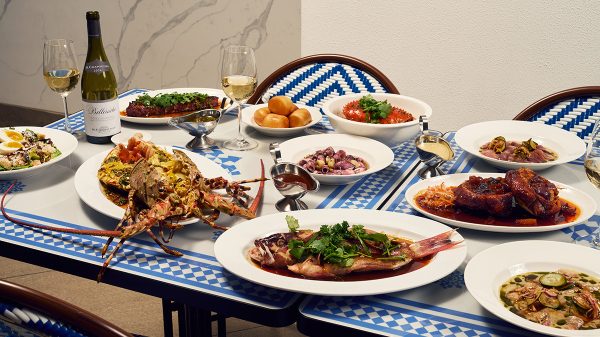
For decades, pasta in the Philippines has mostly meant sweet spaghetti, soft noodles, and party food shared at celebrations. But that’s evolving. Filipinos have loved pasta for decades, but we’re Cooking it differently these days.
Today’s Filipino pasta cooking trends show that home cooks are more curious, more experienced, and more intentional about what they make in the kitchen. Whether influenced by travel, cooking videos, or new ingredients in our local groceries, we’re learning to enjoy pasta not just as comfort food, but as a dish that carries culture, technique, and history.
We’re learning to ask: What does good pasta actually taste like?
For many, the answer begins with better ingredients, simpler sauces—and pasta that’s cooked just right. That’s where Barilla Pasta comes in.
Barilla: A Legacy of Pasta with Purpose
“Pasta is simple, but when made with care, it becomes something memorable.”
Barilla began in 1877 in Parma, Italy, when Pietro Barilla opened a small bread and pasta shop to serve his community. Nearly 150 years later, that small shop has grown into one of the world’s most trusted pasta brands, still owned by the Barilla family, and still grounded in the principles it was founded on: quality, consistency, and care.
At the heart of every box of Barilla is 100% responsibly grown durum wheat—sourced to ensure excellent texture, nutritional value, and that signature al dente bite. It’s pasta designed to complement your sauce, not compete with it.
Barilla’s commitment doesn’t stop at the plate. Guided by its philosophy, “Good for You, Good for the Planet,” the company prioritizes sustainability—supporting eco-friendly farming, reducing water and energy usage in production, and using recyclable packaging wherever possible (Barilla Group Sustainability Report, 2023).
It’s also a brand that supports culinary growth. Through initiatives like the Barilla Pasta World Championship and mentorship from chefs such as Andrea Tranchero, Barilla continues to shape how pasta is prepared and appreciated across the globe—including in Asia Pacific, where Filipino Italian pasta recipes are gaining ground in both home and professional kitchens.
A New Kind of Filipino Pasta Table
Filipino kitchens have always embraced pasta, but the way we cook it is changing. More often, we’re skipping the heavy sauces and sweet profiles for simpler, savory ones: a classic aglio e olio, a no-cream carbonara, or spaghetti tossed with fresh tomatoes and basil.
“When you want to taste Italy, you need to start with the kind of pasta Italians would use.” — Chef Tatung
With brands like Barilla now easily available in the Philippines, more home cooks are discovering the difference a good noodle makes—how the right pasta can transform even the simplest dish into something deeply satisfying.
These Filipino Italian fusion recipes don’t replace tradition—they expand it. It’s not about forgetting the flavors we grew up with. It’s about celebrating them, while also embracing new ways to cook with care.
Simpol Pasta Tips from Chef Tatung
A few small tweaks can elevate any pasta dish. Here’s how to make yours even better:
-
Use the right water ratio. For every 100 grams of pasta, boil about 1 liter of water to allow noodles to move freely and cook evenly.
-
Salt gradually and taste. Add salt in stages until the water is pleasantly seasoned. It should enhance the pasta’s flavor, not overpower it.
-
Never rinse after draining. The starch left on the pasta helps sauces stick naturally and creates a more cohesive dish.
-
Undercook slightly. Drain pasta 1 minute early for most recipes, or 3 minutes early if you’ll finish it in the sauce. It’ll absorb flavor and cook to perfect al dente.
Whether you’re making Filipino Italian pasta recipes or revamping a childhood favorite, these tips help elevate your everyday dishes.
Where to Find Barilla in the Philippines
You don’t need to fly to Italy to bring high-quality pasta into your home. In the Philippines, Barilla is available both for home cooks and professionals:
- For retail customers, Barilla’s full range—including classic shapes, whole grain, and gluten-free varieties—is available at Säntis Delicatessen, known for sourcing premium European products.
- For chefs, restaurants, and foodservice businesses, Barilla’s professional line is distributed nationwide through Werdenberg International Corporation, a trusted name in quality food imports.
This accessibility is helping redefine what Italian pasta for Filipinos can be—less about imitation, more about inspiration and authenticity.
When Pasta Means More
Today’s Filipino cook is more informed, more intentional, and more open to trying new things. Whether it’s curiosity sparked by travel, or a quiet desire to try something fresh, we’re learning that pasta doesn’t have to be elaborate to be excellent.
Sometimes, it’s just good ingredients, a simple sauce, and a noodle that holds everything together.
So the next time you crave something different—or familiar, done a little differently—reach for pasta that invites you to cook with care. Because when pasta means more, we taste more. We learn more. And we enjoy every bite a little more deeply.
Read about Filipino Chefs Shine at Barilla Pasta Championship – Philippines Finals 2025
Here are some recipes you can recreate at home using Barilla Pasta