Filipino cuisine's growth in the US is currently facing challenges due to trade and immigration policy changes. These changes could impact the availability and diversity of ingredients that are essential for traditional recipes. As Filipino cuisine’s growth in the US is threatened by these challenges, the culinary world must adapt.
Filipino cuisine is gaining unprecedented recognition in the United States (US), but that momentum may be at risk. New tariffs, import restrictions, and stricter immigration policies take hold, threatening access to essential ingredients and cultural labor. In particular, Filipino cuisine’s growth in the US is threatened by trade and immigration policy changes.
From Michelin stars to viral cooking tutorials, Filipino food has seen a sharp increase in visibility and popularity across both high-end dining and digital platforms. However, chefs, importers, and culinary advocates say that recent federal trade and immigration shifts could stall the growth of the cuisine at a critical moment, especially as Filipino cuisine’s growth in the US is threatened by these changes.
“We were already struggling with bans on certain imports,” said Chef Leah Cohen, owner of Pig & Khao in New York City. “Now, tariffs are making it even harder to get what we need. It’s a real concern for small businesses like ours.”
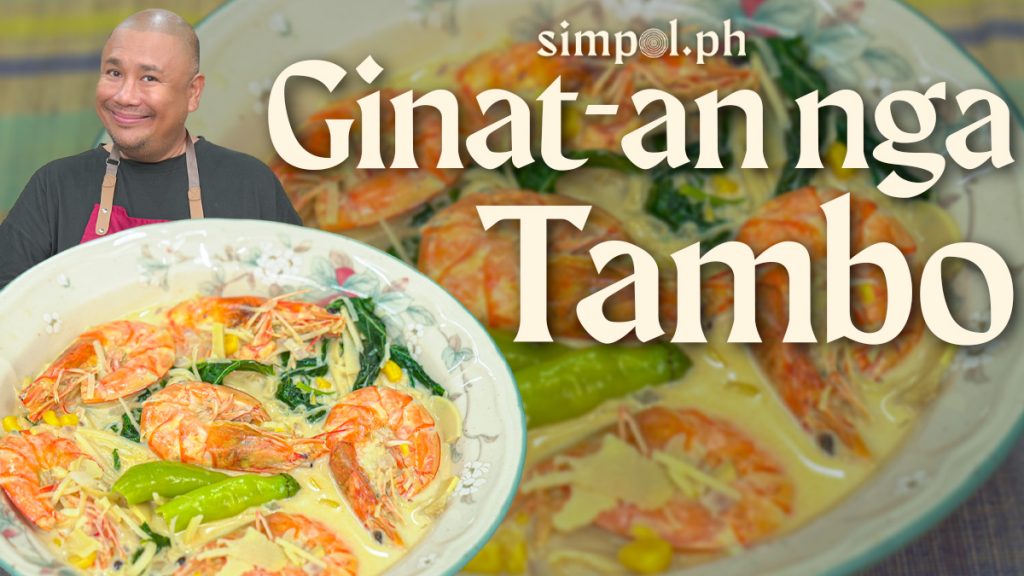
At issue are ingredients such as sukang Iloko, an aged cane vinegar, and bagoong alamang, a fermented shrimp paste. These and other specialty products are difficult to substitute with domestic equivalents and are foundational to Filipino cooking.
Tariffs on Asian food imports are expected to raise prices across the board, according to importers and restaurateurs. Some restaurants have responded by reducing menu offerings or altering recipes. Others say they are at risk of pricing out their customer base altogether.
Beyond the culinary world, large Philippine exporters such as Century Pacific Food Inc., which supplies coconut water to The Vita Coco Company, and Del Monte Pacific Ltd., which reported USD 1.73 billion in US sales in fiscal year 2023, are beginning to feel the impact of trade disruptions. Industry analysts say logistical barriers and rising costs are already beginning to affect product availability and pricing, particularly in US markets with large Filipino communities.
The Philippine government has acknowledged the problem. In an April statement, Trade Secretary Ma. Cristina Roque said the administration’s economic team is reviewing trade policies and potential negotiations with the US to protect food exports and agricultural businesses.
Meanwhile, immigration policy changes are creating additional challenges for Filipino-owned restaurants in the US, especially those that rely on skilled workers with cultural expertise in Filipino cuisine.
“Filipino cuisine is finally getting the global recognition it deserves,” said Jam Melchor, founder of the Philippine Culinary Heritage Movement. “But without access to authentic ingredients and cultural labor, we risk losing the very soul of the food.” The broader impact is evident as Filipino cuisine’s growth in the US is threatened by these trade immigration policy changes.
Melchor emphasized the importance of supporting chefs and entrepreneurs already based in diaspora communities while investing in digital platforms, culinary partnerships and education to preserve the cuisine’s authenticity.
In Chicago, the restaurant Kasama, run by chefs Genie Kwon and Tim Flores, became the world’s first Filipino restaurant to receive a Michelin star in 2022. At the same time, Filipino food creators have expanded the cuisine’s reach through social media. In 2024, content creator Abi Marquez, known online as the “Lumpia Queen,” won the People’s Voice Award at the Webby Awards for her cooking videos.
Still, the enthusiasm from fans and diners has not insulated businesses from economic pressure.
On Reddit, one user on r/FilipinoFood compared rising prices at Filipino grocery stores to balikbayan box shipping costs. “I used to buy suka and toyo by the gallon,” the user wrote. “Now I second-guess if I even need it this week.”
Some small restaurant owners have removed dishes entirely from their menus, citing ingredient costs. One kamayan caterer in the Midwest said they dropped inihaw na bangus, grilled milkfish, due to import costs. “I can’t get it anymore without charging USD 35 for one fish,” they said in a Facebook post.
Others cited difficulty hiring culturally fluent kitchen staff. “You can teach knife skills but not instinct. That comes from home,” said one New Jersey restaurateur.
Despite the obstacles, many within the Filipino culinary community remain determined to adapt. Advocates have called for reforms that would reduce dependency on imported goods while encouraging local sourcing of Filipino staples. They also emphasize the need for broader cultural literacy among policymakers.
“If America wants to embrace Filipino cuisine as part of its evolving identity, it must also protect the roots that nourish it,” Melchor said. “That includes both the ingredients and the people behind the food.” In conclusion, Filipino cuisine’s growth in the US threatened by trade immigration policy changes calls for an urgent reevaluation of current strategies.