Year after year, the same frustrating cycle repeats itself.
Hardworking Filipinos pay their taxes faithfully. Yet, they still wade through flooded streets every single day. Consequently, we must rethink what resilience actually means. Resistance isn’t just surviving another severe storm. Instead, it means demanding real accountability from appointed leaders. Therefore, we must stop voting for politicians who steal public funds and abandon us in times of need. As a spoiler, this is more than better voting choices.
Recently, frustrated motoristas posted satirical messages online. For instance, one viral post read:
kung kailan kabisado ko na yung lubak, tsaka nyo aayusin.
Furthermore, social media is currently flooded with exhausted complaints. People are constantly pointing fingers and arguing with each other online. As a result, it feels like we returned to political camp debates from four years ago.
But really, what does it take to spark an actual revolt?
The loss of a billion-peso fund of flood management demands action. Above all, relying on passive endurance is no longer enough.
Resilience Took Us Here
Filipinos are undeniably, exceptional, hardworking people.
But glorifying resilience misses the point entirely. In fact, has resilience become a convenient scapegoat for systemic failure? Furthermore, is this capitalist ideology forcing us to take personal responsibility for broad societal flaws?
Looking back, years of passive endurance brought us to this point. For example, severe typhoons devastated our lands throughout the early 2010s. First, Yolanda uprooted our forests. Next, Bagyong Rolly destroyed whatever was left behind. Soon after, Ulysses brought even more catastrophic flooding.
No year felt truly safe after those disasters.
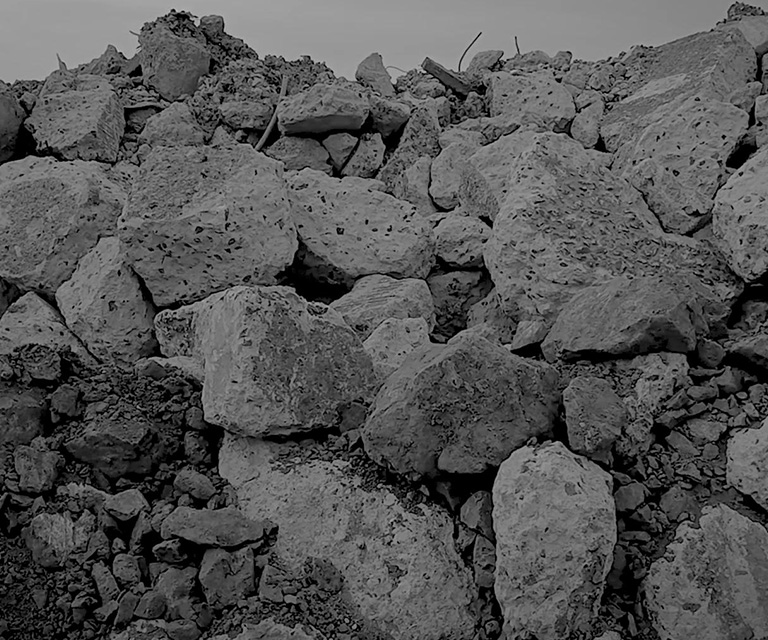
Ironically, the more resilient we become as a society, the more our public systems fail. As a result, harsh living conditions are forced upon everyday citizens. Therefore, our ultimate goal should not be building more resilience. Instead, we should refuse to tolerate these systemic failures.
Today, forced resilience takes many temporary forms. For instance, we see DIY flood barriers in a tindahan with piled up sand sacks. Fragile makeshift bridges, and single-use plastic raincoats that also harm the environment. Ultimately, this language of capitalist resilience creates collective numbness. It teaches us to accept ongoing oppression quietly. In contrast, true revolt requires direct action. We must challenge those who remain unmoved.
Meanwhile, deep floodwaters continue to paralyze our daily commutes. In response, appointed officials build more tangled road projects. Consequently, these developments encourage car reliance and worsen environmental damage.
Roads Forgotten Is Also History Forgotten
Adding more highway lanes never eliminates traffic gridlock. Instead, expanded roads simply attract more vehicles. As a result, severe congestion continues on a much larger scale. Similarly, this pattern mirrors our accumulated resilience.
Circa 1986 on flooded roads. EDSA was once flooded — with millions of people.
At that time, citizens stood together against systemic injustice and poor governance. Today, however, we often make excuses for our passivity. For instance, some claim that past protests carried fewer risks. On the contrary, brave citizens risked their lives fighting against stolen elections and corruption. Unquestionably, that struggle mirrors our current national state.
Furthermore, a practical question arises today. Specifically, where can a physical revolution take place if our roads are constantly flooded?
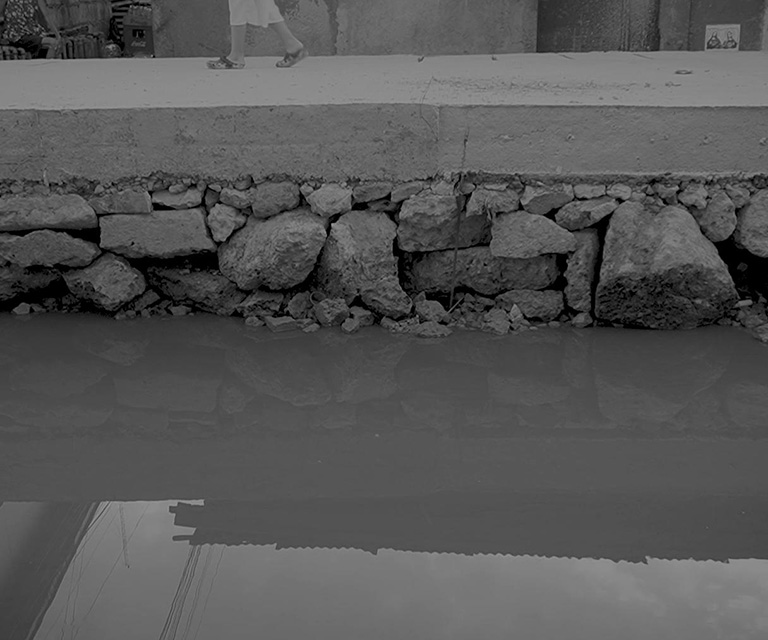
Ignoring history dooms us to repeat past mistakes. During every daily commute across broken highways, we briefly consider joining a larger movement. Deep down, we all want change. However, real change is more than stub handouts. Likewise, progress does not depend on luck or changing seasons.
Instead, real progress requires active force and organized resistance. Furthermore, this effort goes far beyond online posts and intellectual arguments over who is right. Ultimately, raw anger remains useless unless it is organized together.
Change Isn’t Always Asked
When history repeats itself, do we simply stand by and allow it?
To note a sharp philosopher’s quote,
first as tragedy, second, as farce”
History repeats itself not because people learn, but because society fails to break old patterns. Currently, each of us remains a passive spectator to systemic injustice and rising floods. Meanwhile, band-aid solutions keep piling up year after year. Consequently, everyday citizens suffer far more than before.
Repeatedly, we claim that it is time for reform. We have asked for change countless times. However, if our taxes are paid and nothing improves, where should we direct our complaints?
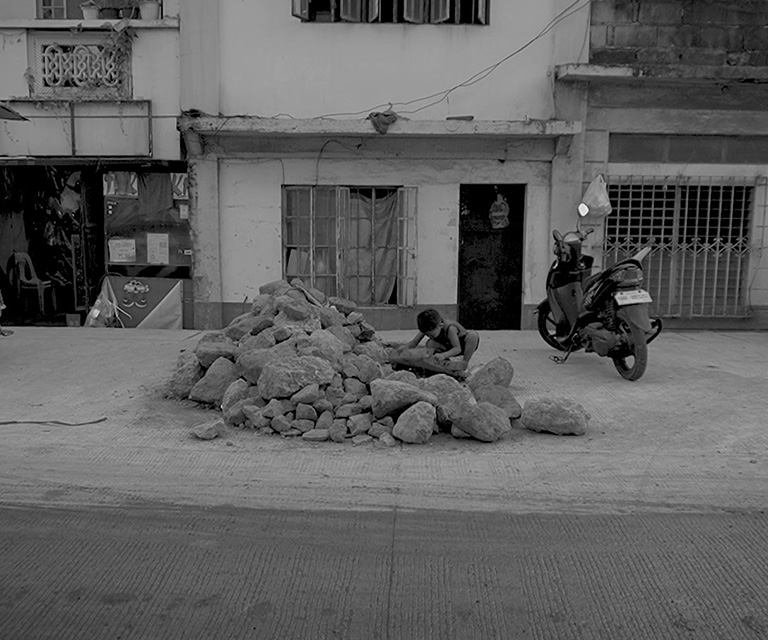
The answer lies right outside our front doors.
In fact, floodwaters are now entering our living spaces, urging us to step out into the streets. Granted, colorful graphics on social media perform part of the job by encouraging better voting choices. Nevertheless, true resistance does not belong solely on phone screens.
Instead, real resistance is reclaiming our collective civic power.
Today, the song of angry people is no longer sung by citizens alone.
But Nature itself— forced to echo it.
Read more Stories on Simpol.ph
What’s Left In Our Homes When The Flood Drains Down