It’s a collective experience.
If you’ve ever taken a road trip up north, you are probably familiar with a common sight.
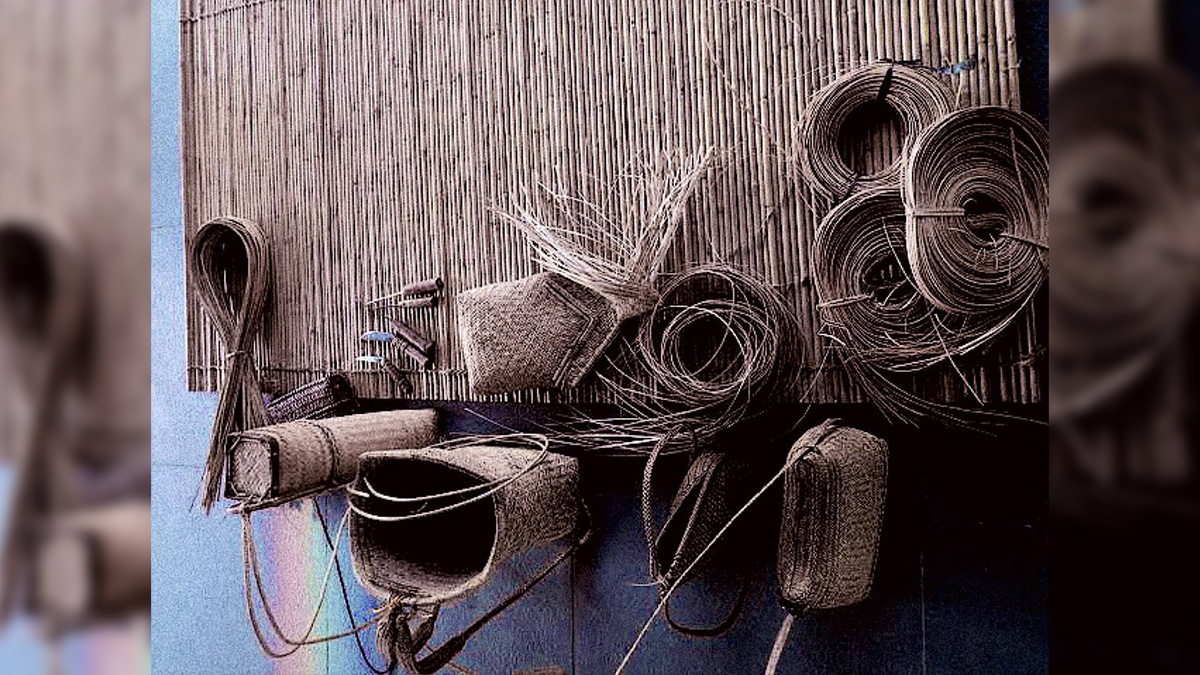
Specifically, you often drive along the highway and pass by roadside stalls filled with handcrafted rattan pieces. Indeed, the meticulous weaves and earthy textures of these traditional baskets are a signature part of the region’s landscape.
Beyond their visual appeal, these baskets carry deep cultural stories and generations of tradition. They are traditionally woven from natural materials like split bamboo, rattan, and apangdan vines.
Consequently, this makes them exceptionally durable, lightweight, and weather-resistant. Furthermore, because of the rugged terrain, these baskets are ergonomically designed. They feature shoulder straps to distribute weight evenly during long treks. As a result, each basket serves a distinct purpose in daily life.
Passed down through generations, this craft remains a vital piece of living cultural heritage.
Since July marks Cordillera Month, it is a great time to appreciate the rattan artistry of the Cordillerans.
Therefore, here’s a simple guide on where to actually find them.
Mayat-an Handicrafts
Located at 95A Km 4, Asin Road in Baguio City, this shop is known for its detailed, locally-made items.
As the shop stand for its tagline,
Strengthening the Strands of Indigenous Cultures”
It’s a recommended stop if you are looking for authentic rattan pasiking (traditional backpacks) and sangi packs. While people often use “pasiking” and “sangi” interchangeably for these native backpacks, they actually have their own unique vibes depending on the region.

For instance, a pasiking is usually tied to the Ifugao and Bontoc peoples. It features a more intricate, boxy, or triangular design. Additionally, it often comes complete with a lid and weatherproof palm fibers. On the other hand, a sangi is a sturdy, open-weave backpack from Benguet and Kankaney.
It is built like a tank specifically for hauling heavy root crops. Ultimately, they are incredibly durable.
In fact, some everyday pasiking variants, like the Ifugao hape’eng, are woven with rattan hoops so tough that travelers can literally use them as a stool to take a break.
Baguio Country Mart
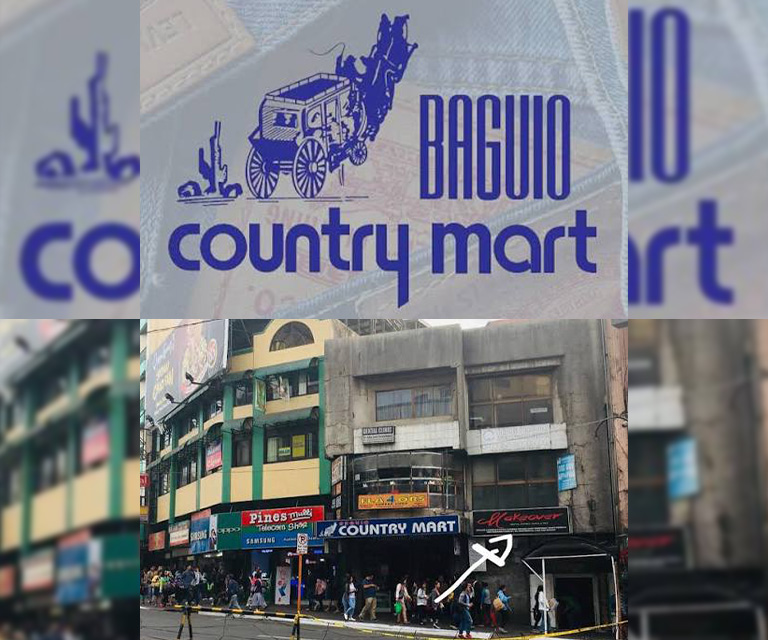
If you find yourself strolling along Session Road, the Baguio Country Mart is a central stop for various indigenous crafts.
Thus, it provides an accessible way to browse through a selection of woven products.
Historically, weaving in the Cordillera was a deeply cultural practice. Textiles were created for specific life milestones, village trade, and sacred rituals like weddings or funerals rather than for income. Over time, however, these indigenous communities successfully modernized. They transitioned their traditional craft into a sustainable livelihood to keep the heritage alive.
Maharlika Livelihood Complex
Situated downtown, the Maharlika Livelihood Complex houses several local souvenir and indigenous handicraft stalls, such as Baguio’s Closet.
Therefore, it is a practical destination to explore a wide variety of authentic, handwoven pieces in one place. Long before Spanish colonization, Cordillera weaving served as a living archive for indigenous communities like the Ifugao, Kalinga, and Bontoc.
Fabrics functioned as daily wear, social currency, and sacred burial shrouds.

Weavers traditionally used portable backstrap looms to create ceremonial garments. In doing so, they often employed complex tie-dye Ikat or Binobodan techniques to map their connection to the cosmos. Alternatively, they wove Binakol geometric patterns meant to ward off evil spirits.
Later on, to scale up production in the modern era, communities adopted wider upright looms from the lowlands.
Today, this labor-intensive artistry is preserved globally through local brands like Narda’s, institutions like the Easter Weaving Room, and cultural spaces like the Museo Kordilyera.
In conclusion, buying directly from local artisans ensures that your purchase helps sustain the community. Rather than just acquiring a functional item, sourcing these baskets from the weavers themselves actively supports their livelihoods.
Ultimately, it helps keep the vibrant weaving traditions of the Cordilleras alive.
Read more Stories on Simpol.ph
BRB, Auditing Life: The Mid-Year Mental Reset
Tanghalang Pilipino Past Forwards to 40
Go Indie. Start Your Film Production With Your Friend’s Camera