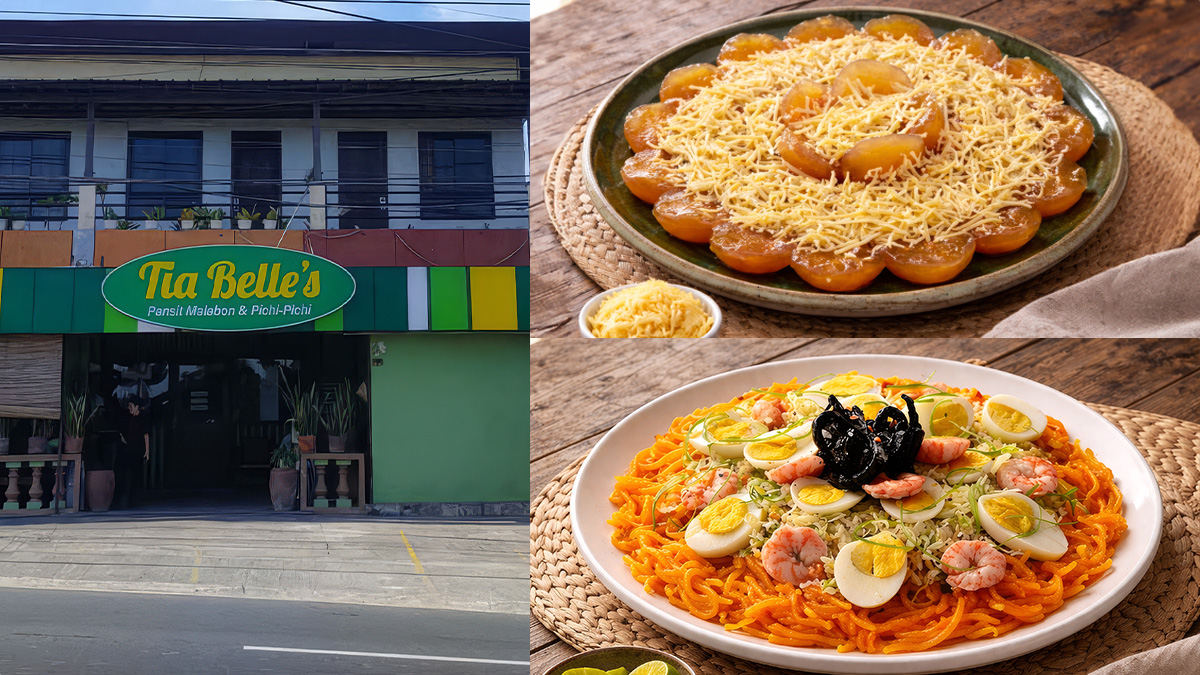
Along the busy stretch of Sta. Rosa–Tagaytay Road, where traffic slows beside fruit stands and pasalubong shops, Tia Belle’s feels like the kind of place people instinctively gravitate toward. Travelers bound for Tagaytay often stop in for a quick meal, only to end up lingering over bowls of bulalo and rounds of halo-halo long after lunch should have ended. There is something about the restaurant that softens the pace of the trip. The destination may be Tagaytay, but the stopover becomes part of the experience itself.
Roots and Evolution
Founded in 2012 by Evelyn Wise, Tia Belle’s Pansit Malabon and Pichi-Pichi first earned its following through two staples Filipinos hold to impossibly high standards: pancit and kakanin. Since joining the Mama Lou’s Group in December 2024, the restaurant has preserved its distinctly familiar identity while refining the overall dining experience. It still carries the warmth of a long-standing family favorite, though now with a more polished rhythm — the kind diners notice not through dramatic changes, but through small details that simply make the entire meal feel smoother.
The Atmosphere of Comfort
The atmosphere strikes a careful balance between lively and relaxed. Sunlight filters through wide windows, catching against wooden tables and tiled interiors while servers weave efficiently through crowded dining rooms carrying oversized platters of pancit and sizzling sisig. Families gather around long tables with pitchers of iced tea already sweating from the afternoon heat. Groups of friends arriving from Manila settle in with the unspoken understanding that nobody is leaving anytime soon.
Even during peak hours, the restaurant avoids feeling chaotic. There is movement everywhere — utensils clattering softly from the kitchen, children debating dessert orders near the counter, conversations swelling and fading between tables — yet the space remains welcoming rather than overwhelming. It feels lived in, in the best way possible.
Unapologetic Filipino Flavors
What makes Tia Belle’s work is its refusal to overcomplicate Filipino comfort food. The restaurant understands that dishes rooted in nostalgia do not need reinvention to stay relevant. Nobody here is trying to modernize sisig into something unrecognizable or plate bulalo with minimalist restraint. The food arrives as it should: generous, steaming, and unmistakably Filipino.
The signature staples
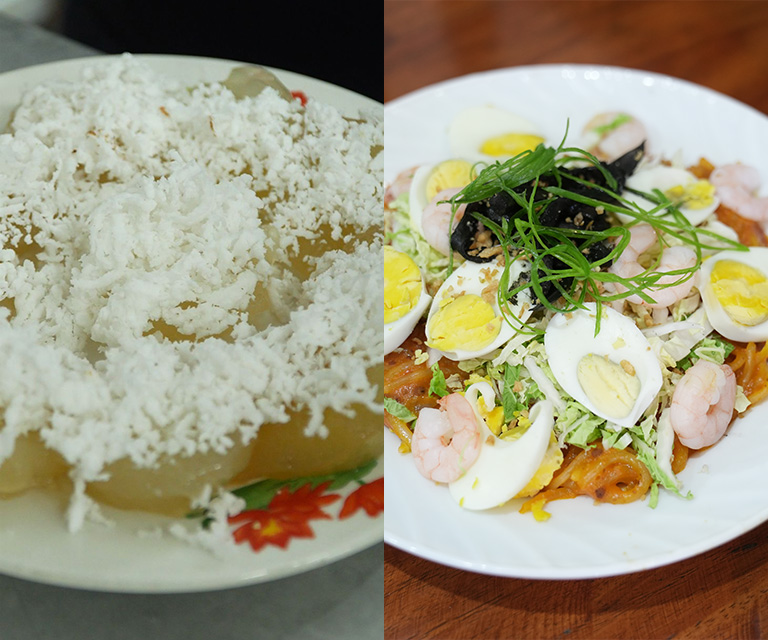
The signature Pansit Malabon remains the centerpiece of the menu. Thick noodles arrive coated in a rich orange sauce layered with deep seafood flavor, topped generously with shrimp, smoked fish flakes, and slices of egg. It is hearty without becoming heavy, indulgent without trying too hard. Beside it sits the restaurant’s well-loved pichi-pichi, soft and slightly chewy beneath grated cheese or fresh coconut shavings, carrying the kind of texture many Filipinos instantly associate with childhood gatherings and family celebrations.
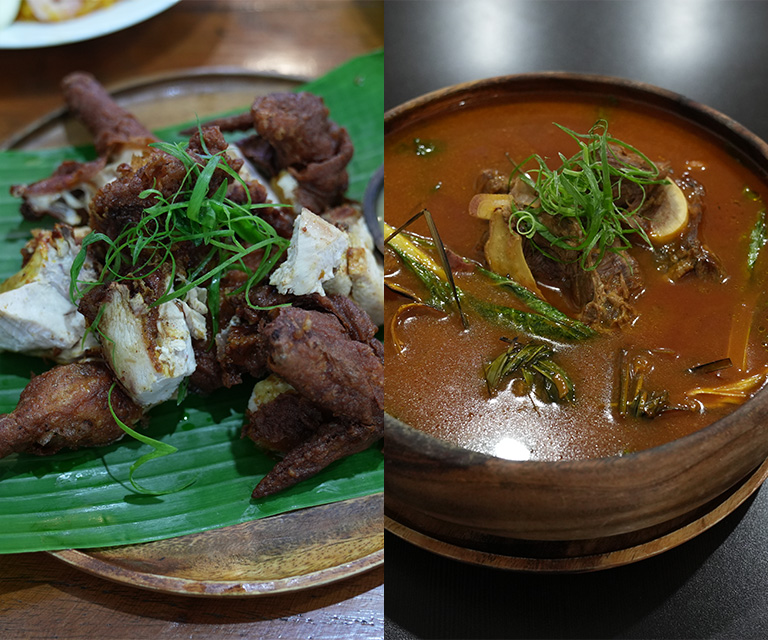
The bulalo feels almost mandatory for anyone headed toward Tagaytay. Tia Belle’s version arrives in a large steaming bowl, its broth clean yet deeply flavorful, enriched by slow-cooked beef, sweet corn, and softened vegetables. The kansi bulalo offers something slightly bolder — richer, tangier, and more layered in flavor. Both feel designed for cool weather and long conversations.
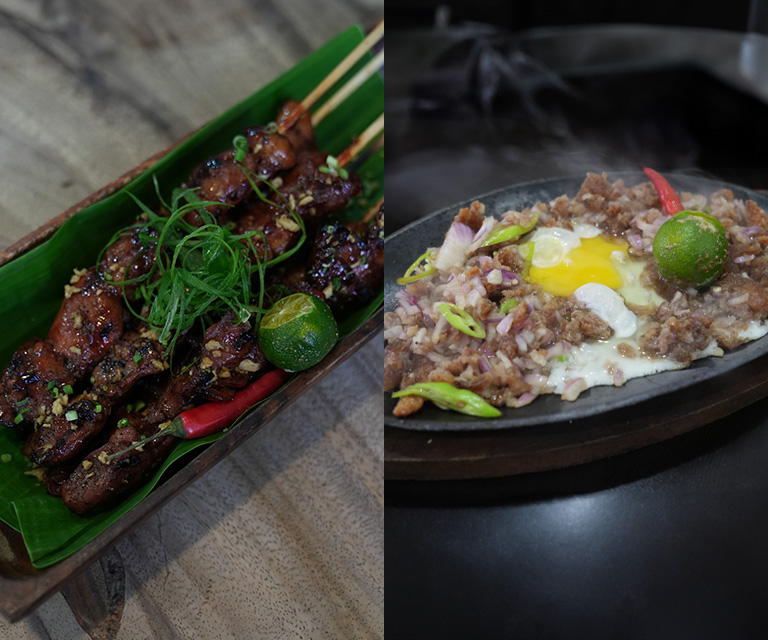
Meanwhile, the pork sisig arrives sizzling loudly enough to pull attention from neighboring tables. Crisp edges meet bright calamansi and smoky seasoning, creating the kind of balance that makes sisig endlessly craveable. The pork barbecue follows with caramelized edges and a smoky sweetness that tastes unmistakably like Filipino roadside grilling culture.
One of the quieter standouts is the pritong manok sa sampalok. At first glance, it appears straightforward: crisp fried chicken served hot from the kitchen. But beneath the crunch sits a subtle tamarind tang that gives the dish surprising depth. It is simple, familiar, and quietly memorable.
Dessert arrives unapologetically oversized. The halo-halo espesyal towers above the table in layers of shaved ice, leche flan, ube, beans, jellies, and milk. It looks almost designed for social media, though unlike many photogenic desserts, this one earns its attention. Every spoonful shifts between creamy, cold, chewy, and crisp textures in a way that somehow feels chaotic and comforting all at once.
Perhaps that is ultimately what keeps people returning to Tia Belle’s. In a dining landscape increasingly obsessed with novelty, the restaurant leans confidently into familiarity. It offers food that tastes deeply rooted in memory while creating the kind of atmosphere that encourages diners to slow down, settle in, and stay longer than planned.
For many travelers heading south, Tia Belle’s has become more than just a roadside restaurant. It has become part of the ritual.
Read more Stories on Simpol.ph
Where Warmth Meets Spice: An Unhurried Feast at Siam Thai’s Intimate Space
Seoul, Quietly Reconstructed in Pasig City
Hoshino Coffee Lands in Megamall With Its Famous Soufflé Pancakes