“Pasok mga suki,
Presyong Divisoria,
Sampu-sampu, bente, at iba pa!”
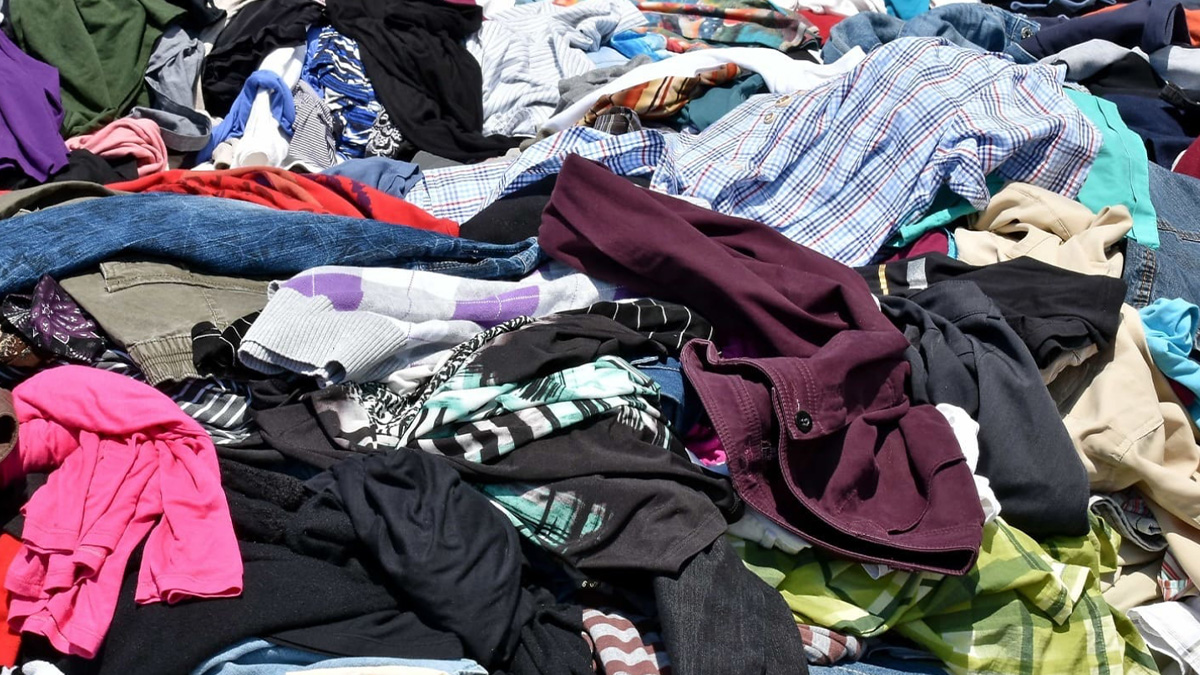
Oh, how time really flies. Back in the day, mothers were often accompanied by their daughters, kumares, and even husbands on their ukay-ukay trips. Amid a medley of Pinoy classic love songs echoing across stalls and the warm air from a single rusty fan shared by the crowd, customers would sift through piles of clothing in search of hidden gems—pieces that were both affordable and worth the effort.
By discovering numerous branded items in excellent condition, they were, without question, worth every peso and every moment spent searching. With it being a bang for your buck, the masses proved that it was indeed enjoyable—until it wasn’t.
Ukay-Ukay as a Cultural and Economic Practice
In the Philippines, ukay-ukay comes from the Cebuano word ukay, meaning “to dig” or “to sift through.” More than a form of secondhand shopping, ukay-ukay represents a significant socio-economic subculture.
Its origins trace back to the 1980s, when humanitarian relief goods from North America and Europe were distributed in places such as Baguio City. Over time, what began as a survival mechanism evolved into a nationwide retail and fashion phenomenon. It appealed especially to fashion-conscious consumers seeking affordable, unique, and distinct pieces.
The Transition: Thrift “Baddies” and “Hustlers”
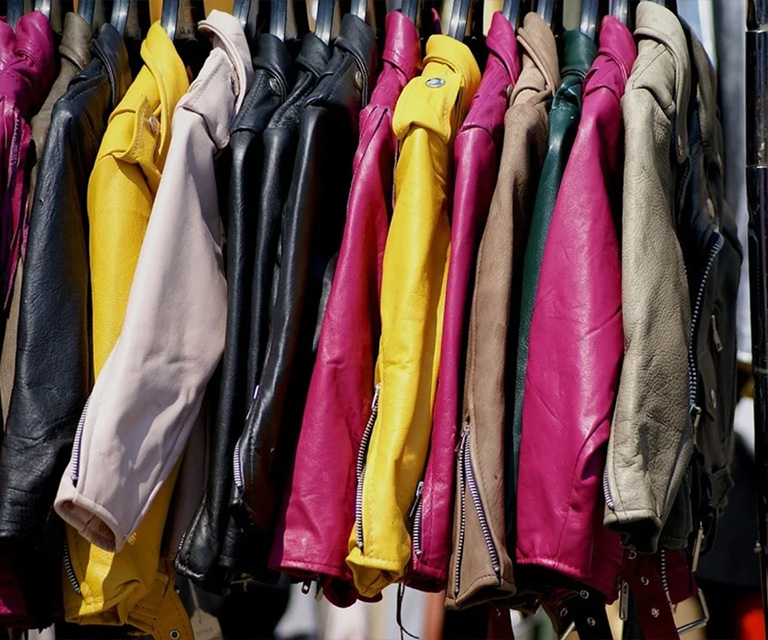
Today, social media platforms such as TikTok, Facebook, Instagram, Threads, and X have transformed the thrift landscape. Many users encounter curated online shops that sell secondhand clothing at significantly marked-up prices. With cohesive branding, artistic presentation, and strategic marketing, these sellers have successfully repositioned thrift as a trendy business venture.
Within online communities, thrift sellers openly discuss pricing strategies. Items acquired for as little as twenty pesos are often resold at prices up to ten times higher, depending on perceived quality or brand value. In some cases, prices rise even further through competitive bidding systems that favor profit over accessibility.
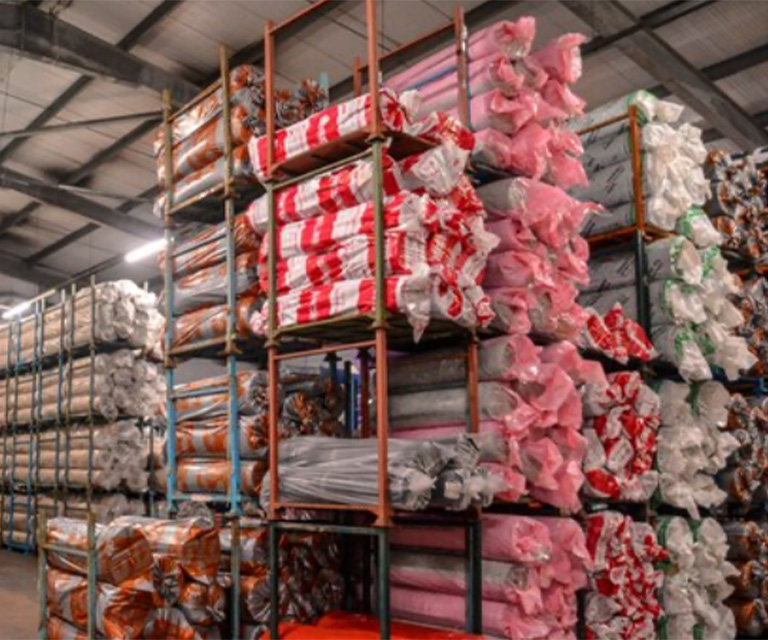
The rise of influencers and live selling has expanded the reach of these businesses. However, this growth has also contributed to a steady increase in prices, making ukay-ukay less accessible to those who once depended on it.
“Mahirap na maghanap ng ukay na maganda ngayon kasi halos lahat hino-hoard na ng online sellers bago pa makarating sa amin—tapos ibebenta naman nila nang overpriced,” a traditional thrift buyer said.
What was once a practical and affordable way to explore personal style has now become a nostalgic memory for many.
Gentrification of a Clothing Subculture
As influencers and celebrities continue to normalize secondhand fashion, curated “vintage” boutiques—especially in areas such as Makati and La Union—have driven prices upward. These developments contribute to the gentrification of ukay-ukay culture, which historically served lower-income communities.
With the rapid expansion of online thrift markets, it is unlikely that prices will return to their earlier levels. Adaptation, as many suggest, may be the only option in the face of these changes.
Thrifting, once an accessible necessity, is increasingly becoming a lifestyle activity for the privileged—and a luxury for the lower class.
Read more Stories on Simpol.ph
Stitching the Archipelago Into the Met Gala
Threads Through Time: How Fashion Evolves Across Generations
Where to Find the Hottest Sneakers in Metro Manila: A Guide for Enthusiasts