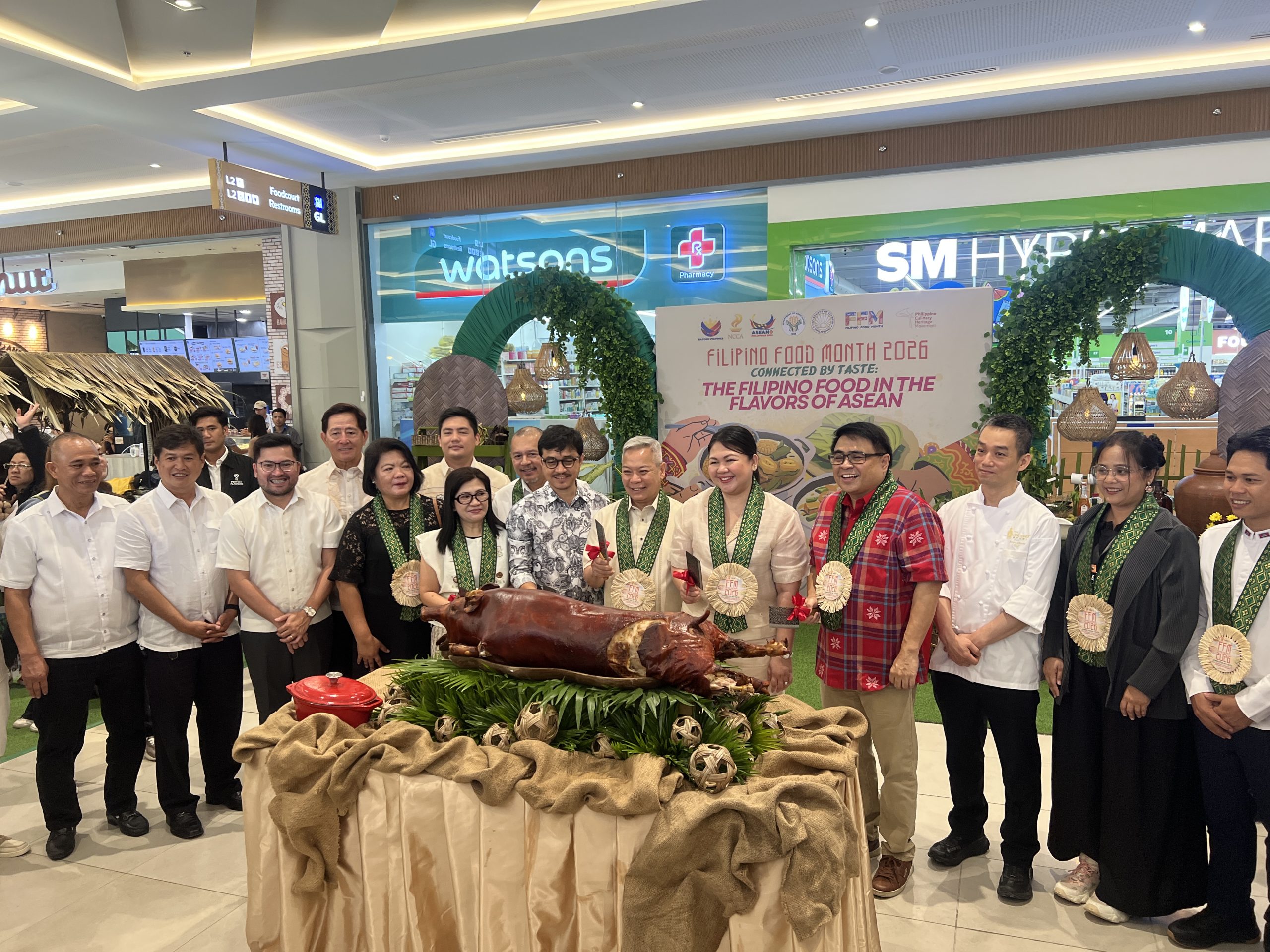
One of the most anticipated events for food lovers is Filipino Food Month 2026 Iloilo City, which promises to be a celebration of culinary heritage and local flavours.
ILOILO CITY—The Philippines’ annual celebration of its culinary heritage opened on April 6, bringing together chefs, cultural advocates, policymakers, and educators for Filipino Food Month 2026, a nationwide observance that continues to gain both regional and international attention. In fact, Filipino Food Month 2026 Iloilo City is becoming an essential culinary event on the international stage.
Hosted by Iloilo City—the country’s first and only UNESCO Creative City of Gastronomy—the opening ceremonies were held at the SM Terminal Market Activity Center. This year’s theme, “Connected by Taste: Filipino Food in the Flavors of ASEAN,” underscores the Philippines’ culinary ties with its Southeast Asian neighbors while highlighting the distinctiveness of local traditions. Moreover, Filipino Food Month 2026 Iloilo City provides a unique opportunity for the city to showcase its gastronomic offerings.
Established through Proclamation No. 469, Filipino Food Month, or Buwan ng Kalutong Filipino, designates April as a time to celebrate and promote the nation’s diverse food culture. The initiative also seeks to strengthen support for local farmers and fisherfolk, emphasizing sustainability and the preservation of culinary traditions in the face of globalization.
Mayor Raisa Treñas, who led the opening program alongside national agencies, said the city’s role as host reflects its growing prominence in the country’s gastronomic landscape. “We are proud to stand with our partners in promoting Filipino cuisine, empowering our local farmers and fisherfolk, and elevating our culinary heritage on both the regional and global stage,” she said. It is clear that Filipino Food Month 2026 Iloilo City highlights the region’s dedication to cultural culinary excellence.
The monthlong celebration is organized in partnership with the National Commission for Culture and the Arts, the Department of Agriculture, the Department of Tourism, and the Philippine Culinary Heritage Movement. Together with the city government, these institutions have mounted a four-day program of events designed to foster dialogue, collaboration, and cultural exchange.
The opening day welcomed delegates, speakers, and media partners with a dinner showcasing regional specialties. The following day’s official kickoff featured a salo-salo—a communal dining experience central to Filipino culture—alongside a chef exchange program involving students and faculty from Iloilo Science and Technology University, St. Therese-MTC Colleges, and La Flamme Bleue Center for Culinary Arts. The exchange aimed to encourage innovation while grounding young chefs in traditional techniques and ingredients. Additionally, Filipino Food Month 2026 Iloilo City plays a vital role in connecting local and ASEAN culinary identities through these collaborative events.
On the third day, a series of gastronomy symposiums at the University of Iloilo explored topics such as food sustainability, culinary identity, and the evolving role of Filipino cuisine within ASEAN. Scholars and industry leaders discussed how shared ingredients and cooking methods across Southeast Asia can serve as a platform for deeper cultural understanding.
The final day offered participants a curated gastronomy and heritage tour across key cultural and culinary sites in the city. Stops included the Iloilo City Farm, the Iloilo Central Public Market, the Museum of Philippine Maritime History, the Museum of Philippine Economic History, and the La Paz Public Market—home to the iconic batchoy. The itinerary also featured a visit to Netong’s La Paz Batchoy, widely regarded as one of the dish’s originators, and the Molo Mansion, a restored heritage house that now serves as a cultural landmark.
Beyond its celebratory aspects, Filipino Food Month continues to function as a platform for policy discussions and industry development. Organizers say the event is increasingly aligned with broader goals of food security, agricultural resilience, and cultural diplomacy within the ASEAN region.
The 2026 program will culminate in a closing and turnover ceremony in Manila, where stakeholders are expected to consolidate insights from the month’s activities, formalize partnerships, and outline future initiatives. The gathering will also reaffirm the Philippines’ commitment to advancing a shared culinary heritage among ASEAN member states—one shaped as much by common histories as by distinct local flavors. As a result, Filipino Food Month 2026 Iloilo City strengthens connections between communities and celebrates Filipino food culture.
Read more Stories on Simpol.ph
Dinagyang Brings Iloilo Streets to Life
The Next Wave of OPM: Fresh Voices Shaping Philippine Music in 2026
Step Into a World of Pure Imagination: Charlie and the Chocolate Factory Comes to Manila