Lately, Sunday mornings at the park are filled with your twenty-something friends walking around with their toddler sized strollers, and packed get-go bags. Seeing this, you might think that it’s for a child.
But as you lean in, expecting to see a chubby-cheeked toddler, you are greeted by a pair of glassy black eyes, a wet nose, and a flawlessly groomed pomeranian.
For Gen Z and Millennials in the Philippines, the traditional roadmap is to graduate, get a job, marry, and fill a house with children. But nowadays, this isn’t just being delayed, but it’s being entirely rewritten.

The Cold, Hard Math of Modern Living
For decades, the Philippines was defined by loud, multi-generational households. But the numbers are totally different today.
According to the Philippine Statistics Authority’s (PSA) National Demographic and Health Survey of 2026, the average number of children Filipino women have in their lifetime has hit a record low of 1.7. This Total Fertility Rate (TFR) marks a steep decline from the 4.1 average recorded in 1993. The drop is most notable in urban areas. Where the rate has fallen to 1.5, compared to 2.0 in rural regions.
So, what changed? In short: reality.
I look at the price of a can of milk formula, the cost of private school tuition, and the current inflation rates, and my ovaries literally retract,” said Jen, a 28-year-old BPO worker from Quezon City.
The romanticized notion of “dagdag biyaya” (an extra child is an extra blessing) is losing its grip against the heavy weight of current economic anxiety. From the rising real estate prices to the soaring cost of basic commodities, young Filipinos are doing the math.
Unfortunately, the math isn’t mathing for parenthood.
From “Tagapag-alaga” to Self-Actualization
Beyond the wallet, there is a massive cultural shift happening in the minds of young Filipinos. Historically, children were often viewed through two lenses. As a source of profound joy, and sadly, as an insurance policy for old age.
Gen Z and Millennials are actively breaking that cycle. Having witnessed their own parents sacrifice their dreams, mental health, and personal identities to provide for large families. The younger generation is choosing a different path.
As the internet says; the cycle ends with me.
Navigating conversations in career and ambition, young Filipinos are prioritizing higher education, corporate mobility, and the booming freelance or digital nomad economy. Also, the rise of “revenge travel” and curated lifestyle experiences has given youth a taste of autonomy that is difficult to get a hold to. Additionally, there is a growing, mature realization among young adults that parenting requires an emotional bandwidth they may not possess or want to give.
As they say, it’s better to not be a mom at all, than to be a bad one.
I want to heal my own inner child before I even think about bringing a real one into this world,” says 30-year-old Charl, a software engineer.
We are the first generation to openly talk about mental health and generational trauma in the Philippines. Choosing not to have kids isn’t selfish. For many of us, it’s the most responsible decision we can make.” she added.
The Rise of the “Fur-Family”
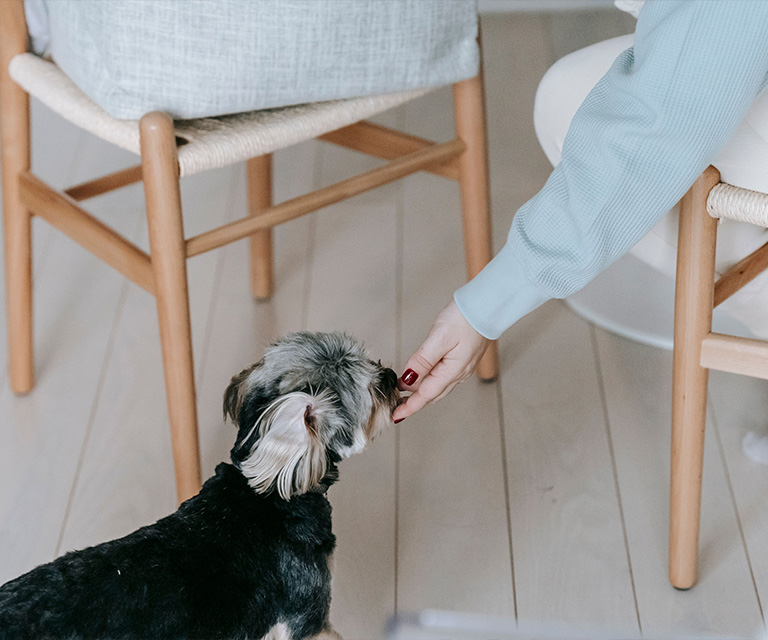
This brings the conversation back to the park. The innate human desire to nurture hasn’t totally vanished, it has simply shifted targets.
Pets have officially become the new first-borns. “Fur-parents” invest heavily in premium pet food, routine veterinary care, and clothing for their dogs and cats. It offers the companionship and emotional fulfillment of taking care of a living being.
With a fraction of the financial commitment and a lifetime guarantee of independence. You can’t leave a toddler at home alone for four hours while you grab drinks with friends, but a cat? A cat prefers it.
Our cat (Cruella) is the best decision me and my partner ever made. Going out with friends? Just leave some treats and an ample amount of water, she’ll happily be left alone there.” said Sofy, a 26-year-old writer in Manila.
At the end of the day, you’ll come home with a happy, full, and rested kid with no fuss.” she added.

The Rise of the DINKs (Double Income No Kids)
This financial recalculation and desire for autonomy has given rise to a booming demographic in urban hubs like Manila. The DINKs (Double Income, No Kids).
In a culture where marriage historically meant immediate parenthood, more young couples are choosing to remain a two-income household indefinitely. Without the staggering expenses of childcare, schooling, and pediatric healthcare. These couples find themselves with a level of disposable income and lifestyle flexibility that their parents could only dream of.
My parents had four kids on a single government salary. Today, my partner and I both work full-time, and we can barely afford a condo downpayment.” said April, a 32-year-old medical practitioner in Rizal.
Adding a child to that mix feels like financial suicide.” she added.
For the modern Filipino DINK couples, success is no longer measured by the height of a growth chart. It’s by passport stamps, career milestones, and the quiet luxury of a shared life free from generational financial strain.
This creates a new phenomenon where a lot of younger Filipinos are opting for allotting expense in experience. Rather than tangible things the society commonly opt for.
A Societal Turning Point
As the fertility rate continues its downward trend, the Philippines faces a future it has never had to contemplate. An aging population without the massive bed of youth to support it.
But for the young adults strolling through the park on a Sunday morning, adjusting the wheels on a dog stroller. The future is secondary to their immediate reality. They are choosing peace, financial stability, and personal freedom over societal expectations.
The future of the nation may look vastly different. But for now, young Filipinos are rewriting the script of a happy life on their own terms. And more often than not, that happy life includes a little less financial strain, a lot more freedom, and a child that usually walks on four legs.
Read more Stories on Simpol.ph
BRB, Auditing Life: The Mid-Year Mental Reset
The Death of the Flex Trip: Reclaiming Travel for Authentic Pahinga