There was a time where boredom was unavoidable.
Long lines at the grocery store, waiting rooms, and quiet afternoons left us with nothing to do but think. Where minds wandered, ideas formed and creativity flourished. Today however, this has become an endangered experience.
With smartphones in everyone’s pockets and an endless stream of content available at the swipe of a finger, moments of stillness have largely disappeared.
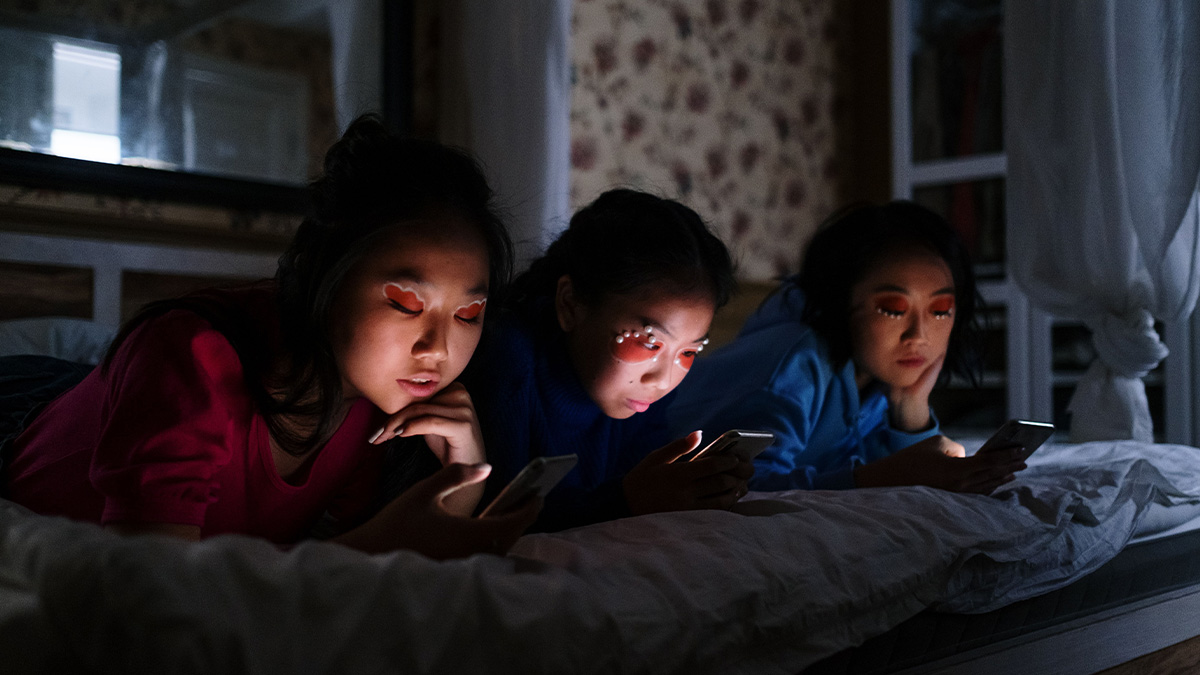
Whether it is scrolling through social media, watching short videos, checking notifications, or playing quick mobile games, many people now fill every spare second with what experts call “micro-entertainment”
—small, instant bursts of digital stimulation. While these activities seem harmless, they may be quietly changing our relationship with boredom and even ourselves.
The Beauty in Being Still
This habit has transformed boredom from a normal human experience into something many actively avoid.
Yet boredom has long served an important purpose.

Psychologists have found that periods of mental idleness encourage reflection, creativity, and problem-solving. When the brain is not focused on a specific task, your mind enters a state where it begins to wander.
During these moments, people process emotions, make connections between ideas, and generate creative thoughts.
Some of history’s greatest insights emerged during moments of quiet contemplation. Writers, inventors, and artists often credited their best ideas to walks, daydreams, or periods of inactivity.
Today, those opportunities are increasingly interrupted by notifications and digital distraction.
When Silence Becomes Unbearable
Many people report feeling restless when they are not consuming content.

Silence can seem awkward. Waiting can feel unbearable. Even relaxation has changed. Rather than simply sitting and enjoying a moment of peace, people often multitask with screens nearby.
Ironically, in a world overflowing with entertainment, many individuals feel more mentally exhausted than ever.
This does not mean technology is inherently harmful. Smartphones, social media, and streaming platforms offer valuable ways to learn, connect, and be entertained. The issue lies not in the tools themselves but in our growing inability to disconnect from them.
When every moment must be occupied, boredom is no longer a temporary feeling—it becomes something we fear.
Reclaim the Moments of Stillness
Perhaps the solution is not to eliminate technology but to reclaim moments of intentional stillness.
Leaving the phone in a pocket during a commute, taking a walk without headphones, or simply sitting quietly for a few minutes can allow the mind to recharge. Such practices may feel uncomfortable at first, but they create space for creativity, reflection, and genuine relaxation.

The death of boredom may seem like a sign of progress, but it comes with hidden costs. In our quest to be constantly entertained, we risk losing the benefits that boredom once provided.
The challenge for modern society is not finding more ways to occupy our attention—it is learning how to be comfortable when there is nothing demanding it.
In the end, boredom was never the enemy.
It was the pause between moments, the silence that allowed thoughts to grow. As micro-entertainment continues to dominate daily life, perhaps the most radical thing we can do is put down our phones, embrace the quiet, and rediscover the value of taking a moment and doing absolutely nothing.
Read more Stories on Simpol.ph
Where Japanese Excellence Meets Filipino Warmth
ISTORYA STUDIOS is steadily tending their cozy space for Bulakenyo Storytellers