As the sunrise creeps through the window frame, the sudden, sharp revving of a neighbor’s motorcycle cuts through the morning quiet. Downstairs, the house is already alive, thick with the pungent, comforting scent of garlic frying for almusal. The rich aroma of warm coffee invites the household to sit, sip, and face the day ahead.
However, tucked away in a corner bedroom, twenty-something Mateo is living on a completely inverted timeline. The day isn’t starting—it is finally over. Closing his laptop with a heavy sigh, Mateo logs out, marking the exhausting end of a grueling nine-hour night shift. As the rest of the country prepares to conquer the day, Mateo is preparing to pause, and sleep.
This is the quiet irony of the modern young Filipino.
Reimagining Independence
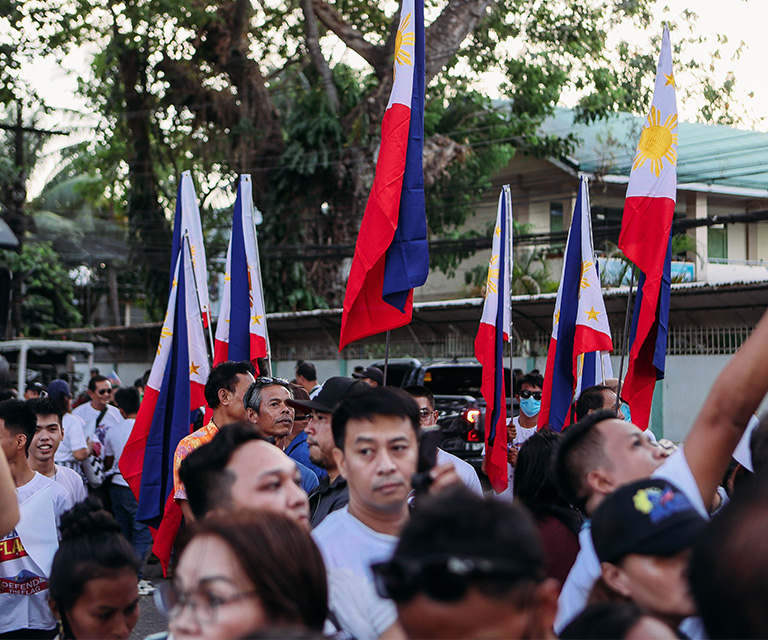
To the older generation, true kalayaan or independence—was a collective milestone celebrated with flags, parades, and historical dates. But for Gen Z and Millennials navigating today’s economic landscape, independence is deeply personal.
The round-the-clock negotiation.
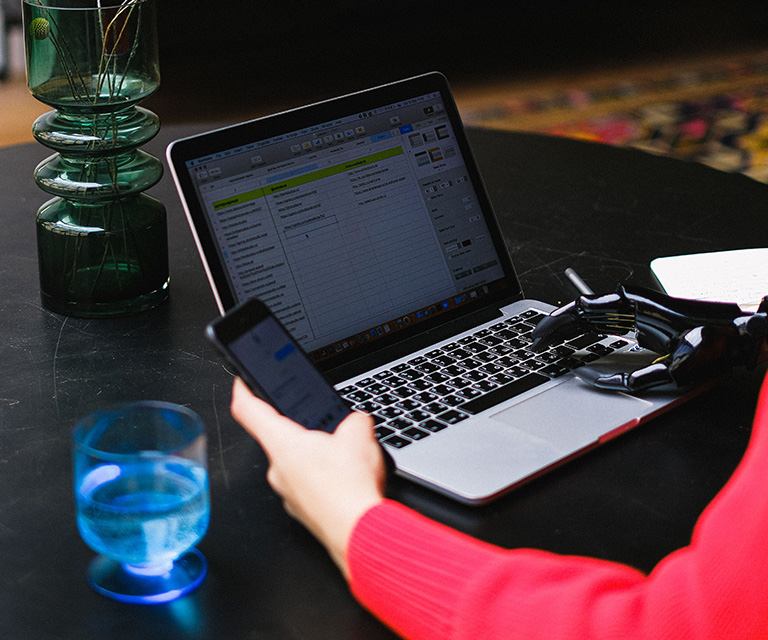
It is found in the solitary glow of a laptop screen at 4:00 AM, in the pursuit of foreign currencies to combat local inflation, and in the conscious choice to rewrite the traditional 9-to-5 script. As the world outside begins to hustle, a closer look at these nocturnal routines reveals a deeper truth. The current generation is no longer waiting for the system to grant them freedom.
Instead, they are staying up and working out there to build it for themselves.
The Curse of an Unfinished Revolution
Decades ago, former Philippine President Diosdado Macapagal famously spoke of the nation’s “Unfinished Revolution.”
Our national revolution may thus be said to have been interrupted six decades ago, so that today and for a time to come we are faced with the remaining tasks of that Unfinished Revolution.” said former Philippine President Diosdado Macapagal.
It was a political rhetoric referencing the idea that while our ancestors successfully shattered colonial chains, the true revolution remained incomplete because the masses were still shackled by poverty, lack of economic sovereignty, and systemic stagnation. Leaders argued that every generation inherits the duty to continue fighting this unfinished war.
For Gen Z and Millennials today, that revolution hasn’t ended; it has simply evolved.
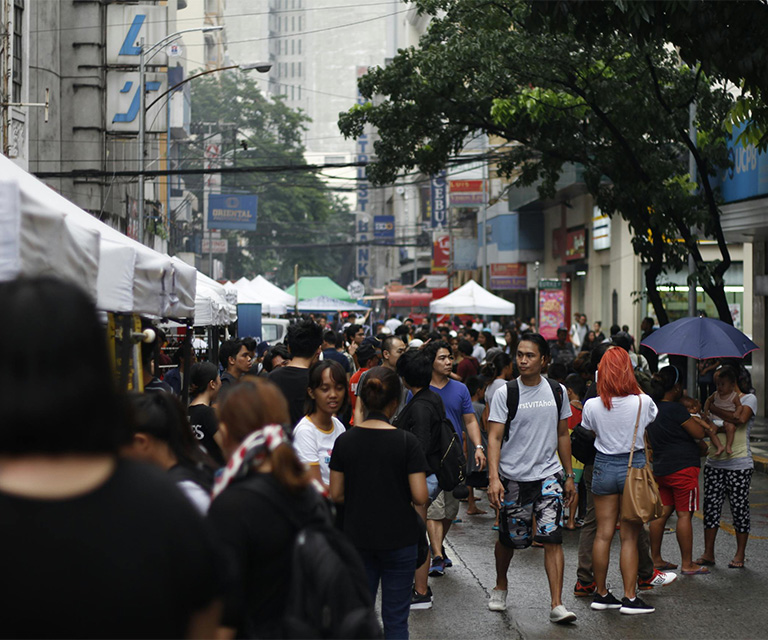
Denial, Despair, and Revolt
For Mateo, true liberation is not found in changing the country’s broken institutions, but in choosing to step completely outside of them. He operates on a philosophy born out of necessity, finding peace in a system that often offers none.
As an absurdist, I firmly believe that this country is fundamentally broken—economically, politically, and psychologically,” Mateo says. “But that doesn’t mean it’s the end of the world for me. The system is chaotic, yes, but I am free because I chose to extract myself from its expectations. I am free because I set myself free.”
In a landscape where traditional milestones like buying a home, climbing a rigid corporate ladder, or relying on a fragile economy feel increasingly impossible, Mateo’s radical individualism is a survival mechanism. To him, modern kalayaan is an act of defiance.
If the societal game is rigged, independence simply means refusing to play by its rules.
But this extraction comes with a heavy tax. True autonomy in a digital world often means solitary confinement, and loneliness. This means missing birthday dinners because your client is in New York, calling you. You’re continuously navigating a quiet, nocturnal loneliness while the rest of your household shares a morning laugh downstairs.
Afterall, in retrospect, are the people free at all?
The heavy cost of Modern Independence
This leaves us with a complex paradox. In their pursuit of autonomy, are young Filipinos genuinely free, or have they merely traded old societal cages for new, digital ones?
There is no simple answer. On one hand, the systemic pressures of inflation, institutional deficits, and the heavy toll of nocturnal isolation suggest that true socioeconomic liberation remains elusive.
This June 12, as the nation reflects on its historical sovereignty, the reality of the modern Pinoy stands exposed. Perhaps true kalayaan was never meant to be a neatly wrapped historical event. Not just with flags, banners, and patriotic tunes.
The story of the young Filipino is neither a tragedy of total entrapment nor a triumph of complete liberation. It is something far more realistic. It is the story of a generation that acknowledges the cracks in their nation’s foundation. Accepts the heavy price of stepping outside the norm, and quietly builds a life anyway.
They may still be fighting the unfinished revolution, but they are no longer helpless victims of it either. Every time they claim authority over their own time, their own labor, and their own boundaries, they prove that the spirit of independence is very much alive.
Even if it only wakes up when the rest of the world goes to sleep.
Read more Stories on Simpol.ph
Pride: A Celebration and a Protest