Fiestas are more than festive gatherings—they are living expressions of Filipino identity, where food becomes the most immediate and meaningful connection to culture. For readers, experiencing these celebrations offers a deeper understanding of community, heritage, and shared memory. Beyond the spectacle, it is the signature dishes that turn every fiesta into a sensory journey, making each visit both culturally enriching and personally memorable.
Across the Philippines, fiestas have long served as vibrant markers of history, faith, and locality. While music, dance, and décor set the tone, it is the carefully prepared dishes—often rooted in centuries-old traditions—that anchor each celebration. From heirloom recipes to regional specialties, these foods embody stories passed down through generations, reflecting both continuity and innovation in Filipino culinary culture.
Regional Flavors, Enduring Traditions
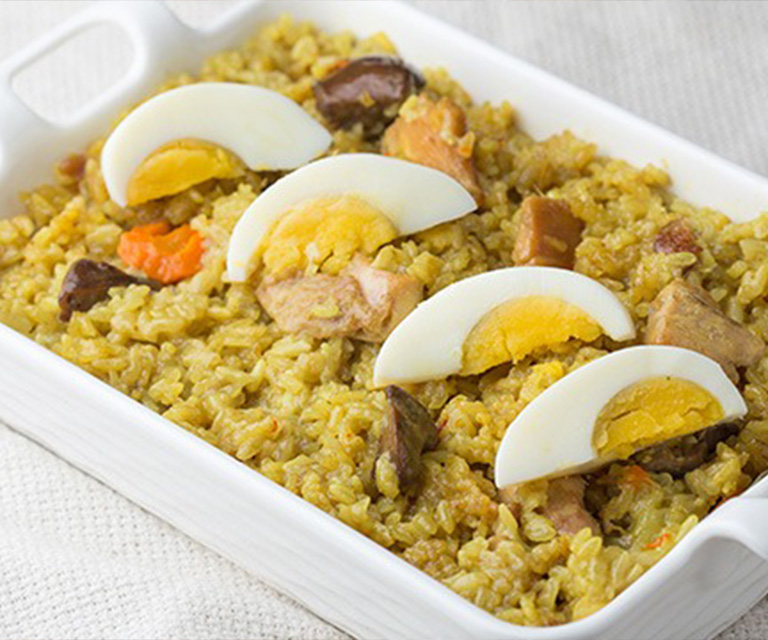
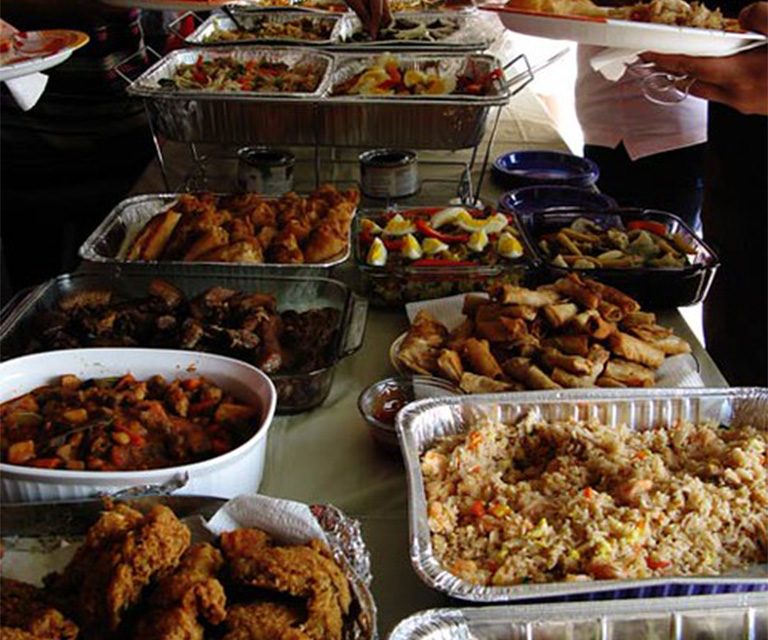
Each region brings its own identity to the table, transforming fiestas into showcases of local pride. In Pampanga, often regarded as the country’s culinary capital, dishes like bringhe and morcon take center stage, highlighting rich, savory profiles influenced by Spanish heritage. In the Visayas, lechon remains the undisputed highlight—crispy, flavorful, and prepared with techniques honed over time. Meanwhile, Bicol’s celebrations feature coconut-infused delicacies and spicy profiles that mirror the region’s bold culinary character.
What distinguishes these dishes is not merely their taste but their cultural significance. Many are prepared communally, reinforcing the Filipino value of bayanihan. Families and neighbors gather days in advance, sharing labor and laughter, ensuring that every plate served carries both flavor and fellowship.
Evolving Plates, Modern Perspectives
While tradition remains central, contemporary influences are gradually reshaping fiesta cuisine. Younger chefs and home cooks are reinterpreting classic dishes, introducing new techniques, presentation styles, and even health-conscious variations. This evolution reflects a broader shift in how Filipinos engage with their culinary heritage—balancing preservation with creativity.
Food critics and cultural observers note that this dynamic approach keeps fiesta traditions relevant. “What we’re seeing now is not a loss of tradition but its transformation,” says culinary historian Maria Teresa Reyes in a recent cultural forum. “Signature dishes remain at the heart of fiestas, but they are evolving in ways that speak to today’s generation without losing their roots.”
Voices from the Celebration
For many who participate, the emotional resonance of fiesta food goes beyond taste. “Every dish tells a story,”
shares Antonio Dela Cruz, a longtime community organizer from Quezon Province.
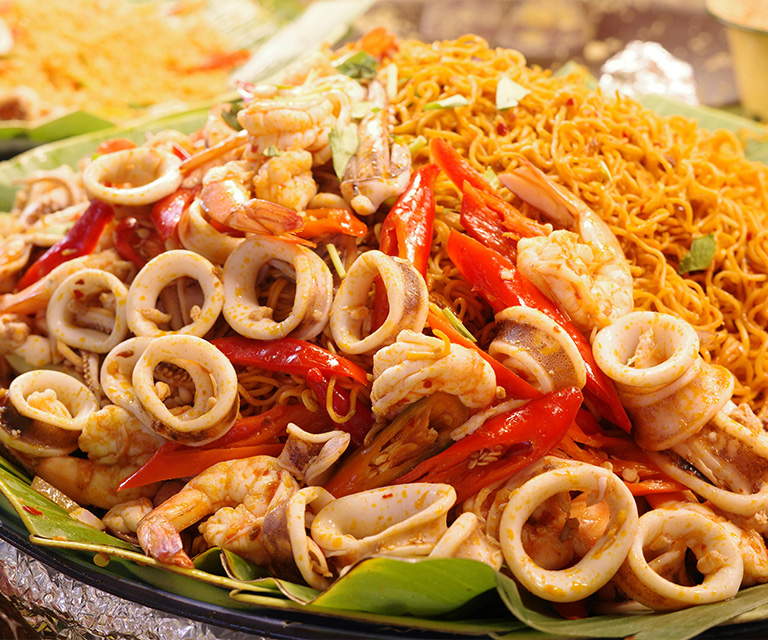
“When we prepare pancit or kaldereta for the fiesta, we are not just cooking—we are honoring those who came before us. It’s a way of keeping our history alive.”
Visitors echo this sentiment, often describing fiesta dining as an immersive cultural experience. Guests are welcomed with generosity, encouraged to partake in meals that symbolize abundance and gratitude. This openness transforms even first-time attendees into participants in a shared cultural narrative.
Cultural Significance and Lasting Impressions
Understanding fiesta dishes offers insight into the Filipino way of life—where hospitality, resilience, and creativity converge. These culinary traditions serve as cultural anchors, preserving identity in an increasingly globalized world. At the same time, they invite exploration, allowing both locals and visitors to engage with the Philippines in a meaningful and memorable way.
As fiestas continue to evolve, their signature dishes remain constant reminders of the country’s rich heritage. For readers, attending a fiesta is not simply about witnessing a celebration—it is about tasting history, connecting with community, and experiencing a tradition that continues to shape Filipino culture today.
Read more Stories on Simpol.ph
Kakanin: Memory, Ritual, and the Sweetness of Being Filipino