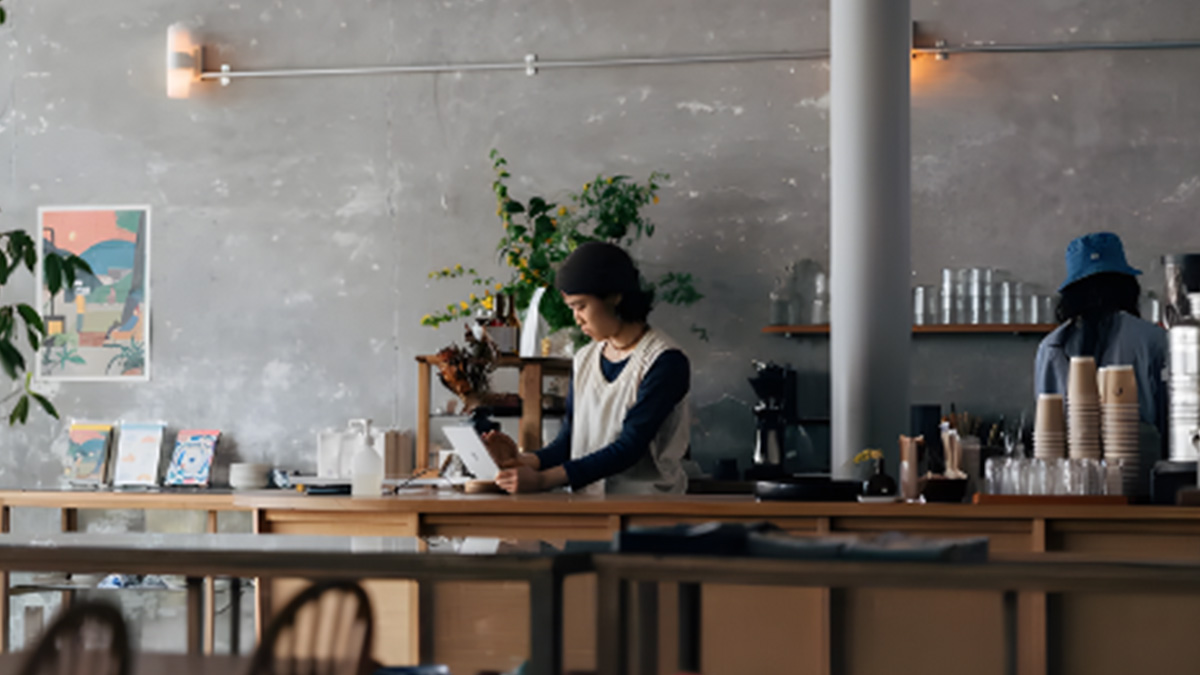
Cafés as third spaces in the Philippines have become increasingly popular for people seeking community and connection outside of home and work.
In a fast-paced urban environment, aside from your small working desk and your bedroom, where do you usually go to find comfort and peace? Considering the demands of a hectic nine-to-five schedule and a salary that often stretches only far enough to cover gas, bills, and groceries, how do you discover moments of solace amid the chaos? Cafés as third spaces in the Philippines increasingly provide an answer for city dwellers.
For many Filipinos, the answer lies in cafés — places where the simple aroma of freshly brewed coffee and warm pastries can make a difficult day feel lighter and more bearable. In fact, as third spaces, cafés in the Philippines now play an important role in providing venues for relaxation amidst busy routines.
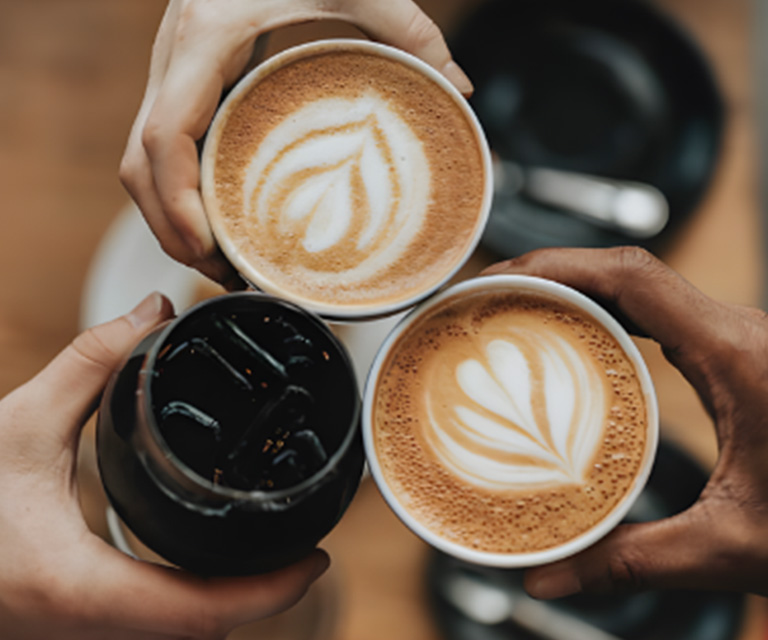
The Psychology Behind Humans’ Need for Third Spaces
Sociologist Ray Oldenburg defined “third spaces” as social environments that exist separately from the two primary settings of home and work. These spaces function as relaxed public venues where people can interact freely in various ways, just like many cafés as third spaces in the Philippines do for locals.
In his 1989 book The Great Good Place, Oldenburg emphasized that the psychological importance of third places goes far beyond merely having somewhere to sit. These environments serve as vital buffer zones between the responsibilities of private life at home and the demands of productive life at work.
Third spaces are regular, voluntary, informal, and often eagerly anticipated gatherings that occur beyond the boundaries of home and workplace. Within them, individuals can come and go as they please, free from the pressure to perform specific roles or conform to social hierarchies. Whether one is a student, a professional, a business owner, or a public figure, everyone is equally welcome. This is reflected in cafés as third spaces throughout the Philippines.
Examples of third spaces include public parks, libraries, bookstores, bars, and most notably, cafés. Furthermore, cafés as third spaces in the Philippines are now recognised as valuable public assets for social and personal wellbeing.
Cafés: An Old Discovery and a Modern Obsession
Coffeehouses have long served as centers of socialization. As early as the 17th century in Europe, they embodied many of the qualities associated with third spaces. During this period, Europeans were often hesitant to host public meetings and social gatherings in their own homes. Taverns initially filled this role, providing venues for communal interaction.
However, the emergence of coffeehouses in the 1650s marked a significant shift. These establishments offered spaces where people could hold meaningful discussions and conduct important meetings without the distractions of alcohol that often reduced productivity. Today, cafés as third spaces in the Philippines follow that tradition by creating places for purposeful interactions.
Historian Jonathan Morris, in his book Coffee: A Global History, noted that early coffeehouses were distinct from taverns because they promoted alertness and serious conversation. They became environments where intellectual exchange and social engagement could flourish.
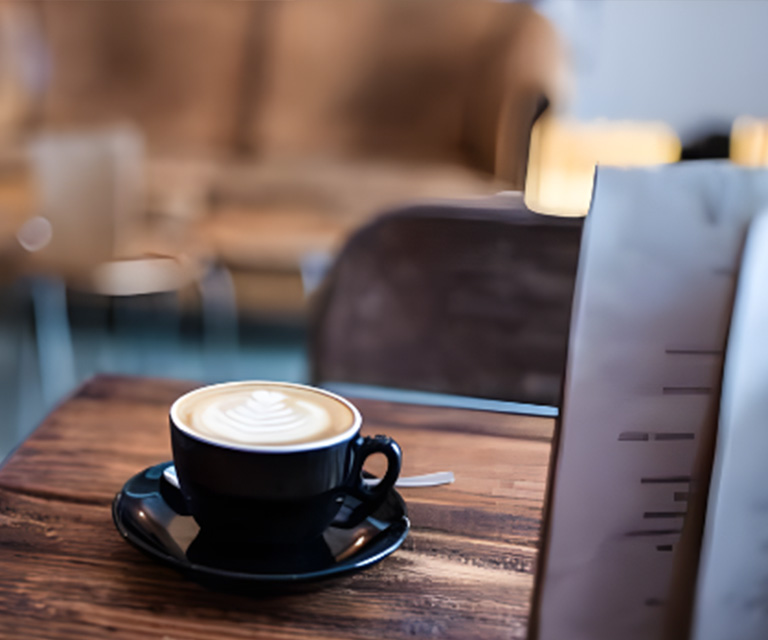
The Warmth of a Stranger in a Cup
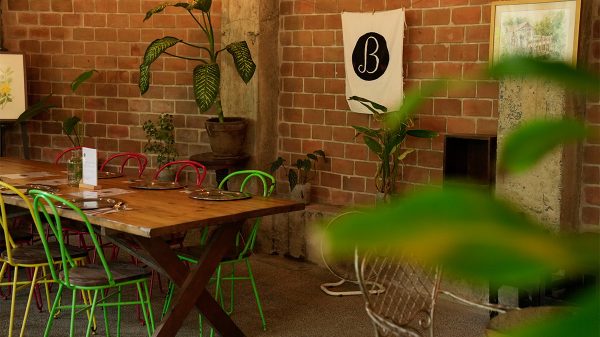
More often than not, the cafés people visit are unfamiliar spaces. Customers search for places that match their preferences, needs, and moods. Yet it is remarkable how quickly a café can begin to feel like home — sometimes through nothing more than a warm drink and a quiet corner. For example, cafés as third spaces, especially in the Philippines, can foster a sense of belonging and comfort even for new patrons.
According to Oldenburg’s concept of neutral ground, cafés help dissolve rigid social structures. In the Filipino context, they provide a contrast to hierarchical office environments or crowded households, allowing individuals to experience a focused, productive, or socially engaging “in-between” state.
For those without access to comfortable workspaces, coffee shops become essential destinations for peaceful and productive hours. Geographically, cafés are widely accessible across urban areas. Members of the working class can often find several options within or near office buildings, making these spaces convenient sanctuaries amid demanding routines. As a result, cafés as third spaces in the Philippines serve as an oasis for both relaxation and connection.
In this way, cafés offer moments of calm within the overstimulation of city life.
Brewing the Future of Cafés for Filipinos
For many Filipinos, cafés are rarely just about the coffee itself. They represent something more — a space between obligations, a kind of public living room where every cup becomes an invitation to belong, reflect, or simply pause. The role of cafés as third spaces in the Philippines continues to evolve as peoples’ needs change.
While cafés were once associated primarily with indulgent coffee experiences, they have gradually evolved into vital urban necessities. In cities where private living spaces are often limited and public infrastructure may not fully support communal needs, third spaces function as the social “lungs” of urban life.
These neutral grounds allow boundaries between home and work to soften. Within them, people can reclaim time for themselves without judgment or surveillance. As third spaces, cafés in the Philippines provide such neutral territory, making a difference for people in the city.
Thus, in the heart of cities that never seem to rest, cafés have quietly become unspoken homes — places where solitude and productivity can finally coexist. Clearly, cafés as third spaces in the Philippines play a key role in shaping community in modern urban settings.
Read more Stories on Simpol.ph
Grainsmart Café Celebrates 1st Anniversary in Gugo, Samal, Bataan
In the Quiet Corners of the City, Hidden Cafés Becomes Our Haven
Brewing Industry Connections: Allegro Beverage Corporation’s Enduring Presence at WOFEX