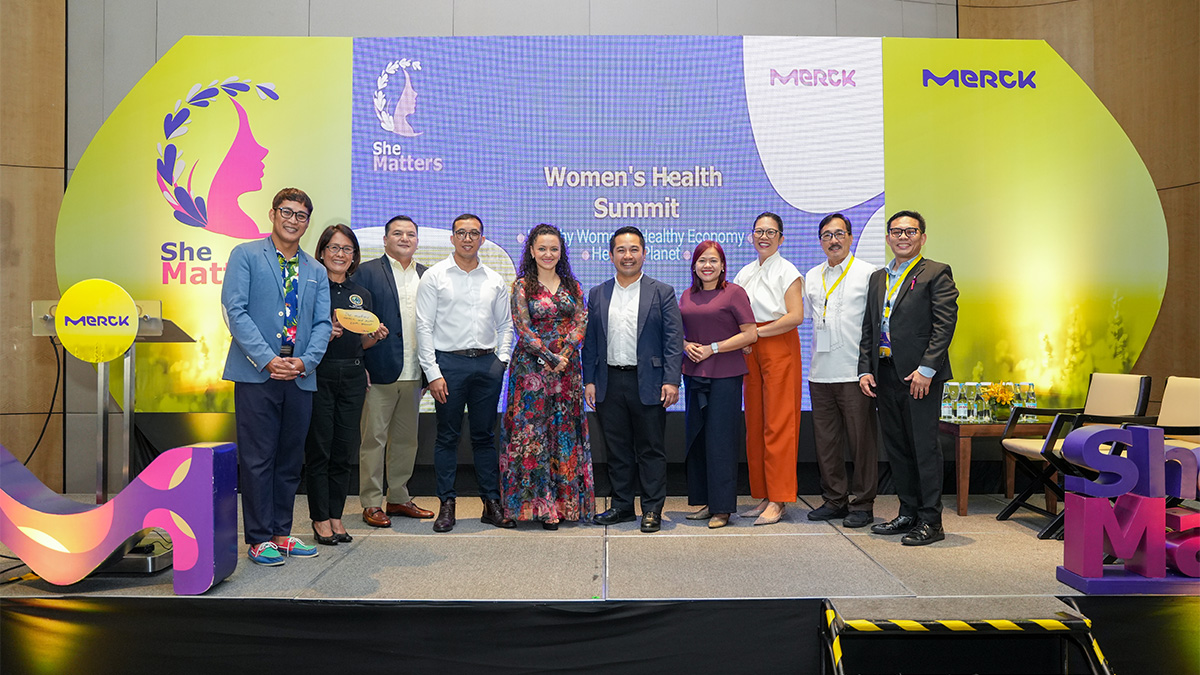
Attending conversations that shape healthcare priorities is no longer limited to policymakers—these discussions directly affect how individuals access care, prevent disease, and protect their families. Merck’s She Matters: Women’s Health Summit underscores why women’s health is not a niche concern but a shared responsibility with tangible benefits for communities and future generations. For readers, it offers insight into how early awareness, stronger systems, and collective action can improve quality of life.
A Unified Call for Women’s Health
MANILA, Philippines — Merck convened its second She Matters: Women’s Health Summit on March 7, 2026, at Conrad Manila, gathering healthcare professionals, policymakers, and advocates to strengthen collaboration in addressing women’s health challenges. Anchored on the theme “Healthy Women, Healthy Economy, Healthy Planet,” the summit positioned women’s health as a central driver of societal progress, linking clinical care with economic resilience and environmental sustainability.
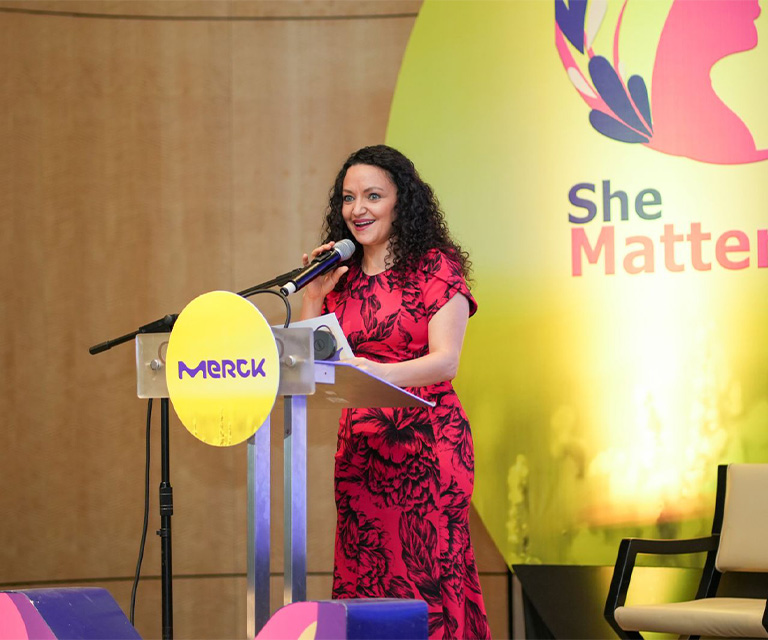
“Today, we gather not just to discuss health but, more importantly, women’s health—She Matters. Her health matters, her voice matters, her future matters. And when she thrives, the world thrives with her,”
said Martha Paiz, managing director and general manager of Merck Inc., emphasizing the organization’s commitment to multisector collaboration.
Addressing Cardiometabolic Risks Early
A key focus of the summit was cardiometabolic health, with experts highlighting the increasing prevalence of hypertension, diabetes, and polycystic ovary syndrome (PCOS) among younger women. These conditions often present subtle symptoms, resulting in delayed diagnosis and heightened risks of severe complications such as stroke or heart disease.
Healthcare leaders stressed that proactive screening and early intervention remain critical. Strengthening awareness campaigns and improving access to diagnostic services were identified as immediate priorities to prevent long-term health burdens.
Health as an Economic Driver
Beyond clinical outcomes, the summit reinforced the economic value of investing in women’s health. When women maintain good health, they are better positioned to contribute as professionals, caregivers, and leaders.
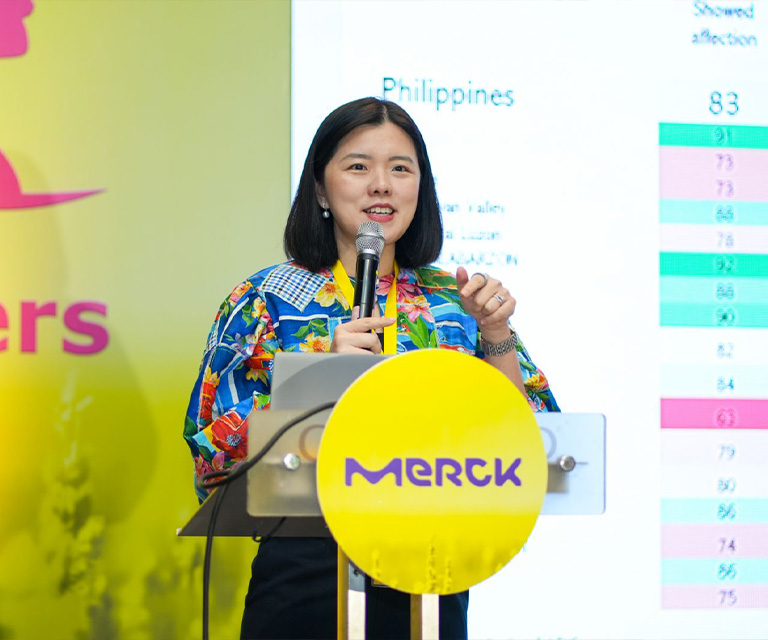
“When women are healthy, they can participate fully in society as professionals, caregivers, leaders, and innovators. Investing in women’s health is not only a healthcare priority but also a powerful economic strategy that strengthens communities and economies,”
said Dr. Beverly Lorraine Ho, chief health officer of Ayala Healthcare Holdings, Inc.
This perspective reframes healthcare spending as a strategic investment, with long-term returns for national productivity and stability.
Thyroid Health and the Need for Awareness
Discussions also addressed thyroid disorders, which disproportionately affect women and often remain undiagnosed due to subtle symptoms. Experts emphasized the importance of integrating thyroid screening into routine care, particularly during pregnancy.
“Screening for thyroid dysfunction during pregnancy among Filipino women is important because early detection and treatment can protect both the mother and the child,”
said Dr. Nemencio Nicodemus Jr., president of the Philippine College of Physicians.
Further reinforcing this point, Dr. Jeremy Robles highlighted the need to include thyroid disorders in broader noncommunicable disease (NCD) frameworks to expand awareness and access to treatment.

Environmental Health and Hormonal Impact
The summit expanded its scope to include planetary health, examining how environmental factors such as microplastics and endocrine-disrupting chemicals (EDCs) affect hormonal balance and reproductive health.
“Planetary health reminds us that the health of people and the health of the planet are deeply interconnected,”
said Dr. Renzo R. Guinto, noting that climate change and pollution are increasingly shaping global health outcomes.
This intersection underscores the need for policies that address both environmental protection and public health simultaneously.

Strengthening Systems for Women and Communities
Public health leaders emphasized that sustainable healthcare systems must place women at the center, particularly in the face of climate-related challenges.
“Healthy women and a healthy planet go hand in hand. Climate-resilient health systems must place women at the center because protecting their health strengthens families, communities, and future generations,”
said Dr. Ronald Law of the Department of Health.
The summit concluded with a renewed call for integrated approaches that bridge healthcare delivery, policy development, and environmental stewardship.
A Continuing Platform for Action
More than a scientific gathering, the She Matters: Women’s Health Summit served as a platform for advocacy and collaboration. It highlighted the importance of aligning stakeholders—from medical professionals to policymakers—in addressing systemic gaps in women’s healthcare.
The discussions reinforced a clear message: advancing women’s health requires sustained commitment across sectors. By connecting health outcomes to economic growth and environmental sustainability, the summit positions women’s health not only as a medical priority but also as a cornerstone of national development.
Read more Stories on Simpol.ph
Morning Rituals with Purpose: How Women Start Their Day to Thrive
Mental Health Matters: Women Advocates Leading the Conversation
Janine Gutierrez and Anne Curtis: Using Their Voices to Champion Respect This Women’s Month