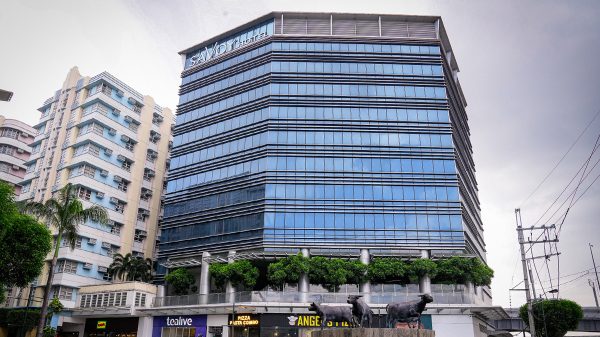
On a recent afternoon in the southern stretch of Metro Manila, the escalators of Evia Lifestyle Center hummed with their usual retail rhythm—families drifting toward cinemas, couples queueing for coffee, teenagers rehearsing TikTok dances in reflective storefronts. Then, just past a curve of glass railings and indoor palms, came the quiet draw of steam from dim sum baskets, a prelude to the experience at Ding Dim 1968 Philippines.
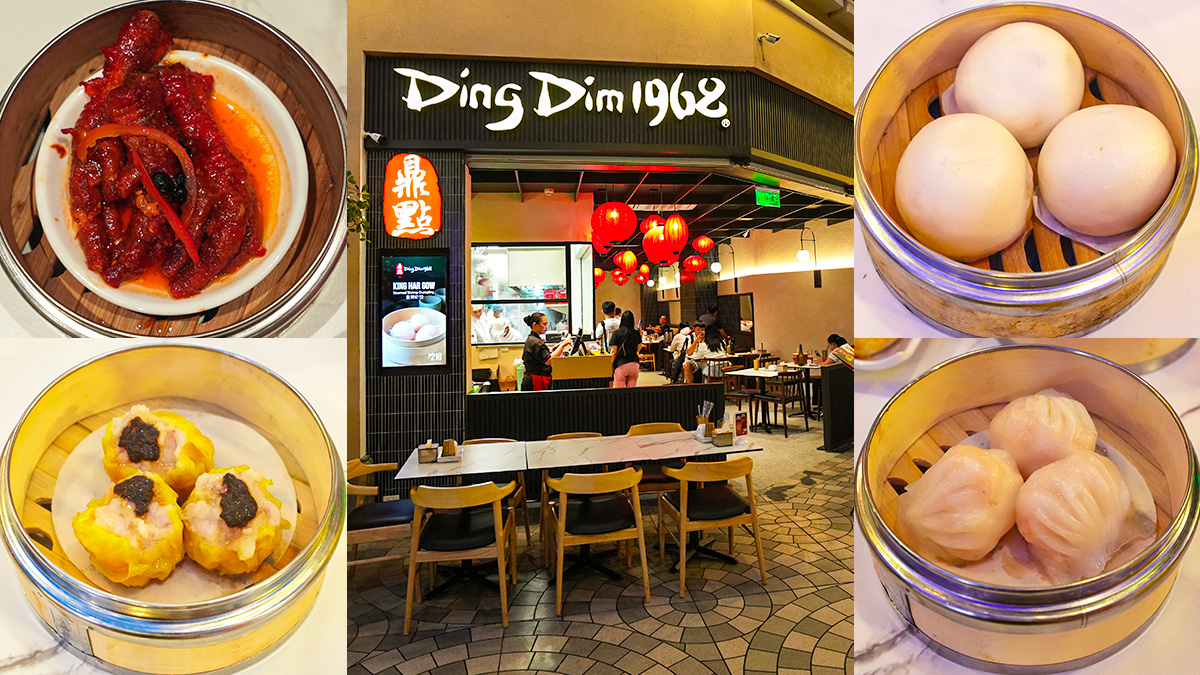
It rose in soft clouds from bamboo baskets at Ding Dim 1968, the Hong Kong-born dim sum house that has opened its first Philippine locations at Evia Lifestyle Center and at Ayala Malls Vermosa. The name suggests nostalgia, a timestamp from another era. The space is busy but not frantic. Plates clink. Porcelain spoons tap bowls in polite percussion. There is the low murmur of families negotiating orders and the delighted squeal—Gen Z-coded and unfiltered—when a server sets down the restaurant’s headliner: Jumbo Xiao Long Bao. Indeed, Ding Dim 1968 Philippines dim sum menu attracts diners for its variety and signature dishes.
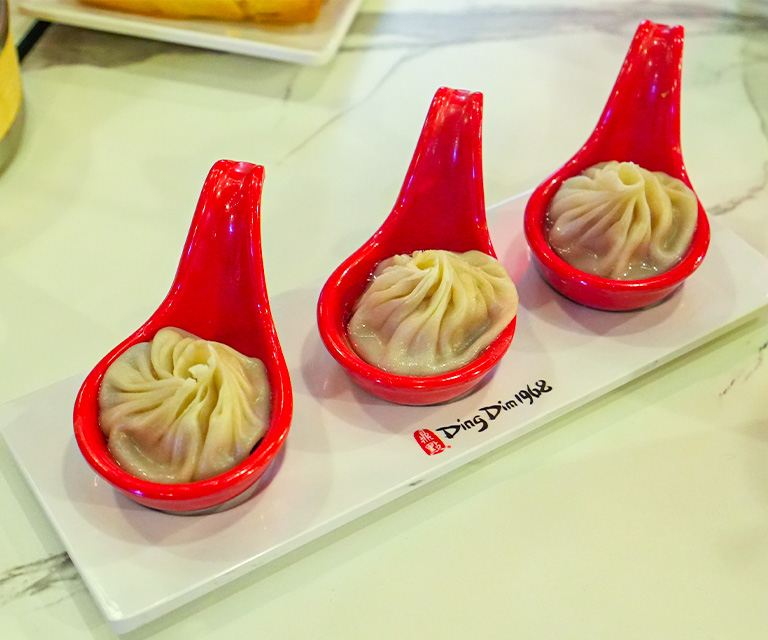
In Hong Kong, soup dumplings are a study in restraint—delicate skins, carefully pleated, filled with pork and aspic that liquefies into broth. Ding Dim’s version magnifies the concept. The dumpling arrives plump and slightly translucent, a glossy dome trembling under the weight of its own promise. It is served with a straw, which feels at once theatrical and practical. Puncture gently, sip the broth first—ginger-forward, rich but not greasy—then fold the skin into your spoon and eat in a single, careful bite. It is a small spectacle, yes, but not a gimmick. The flavor lands with clarity, and the dough retains just enough elasticity to remind you that it was shaped by hand. In short, Ding Dim 1968 Philippines offers dim sum experiences that linger in memory.
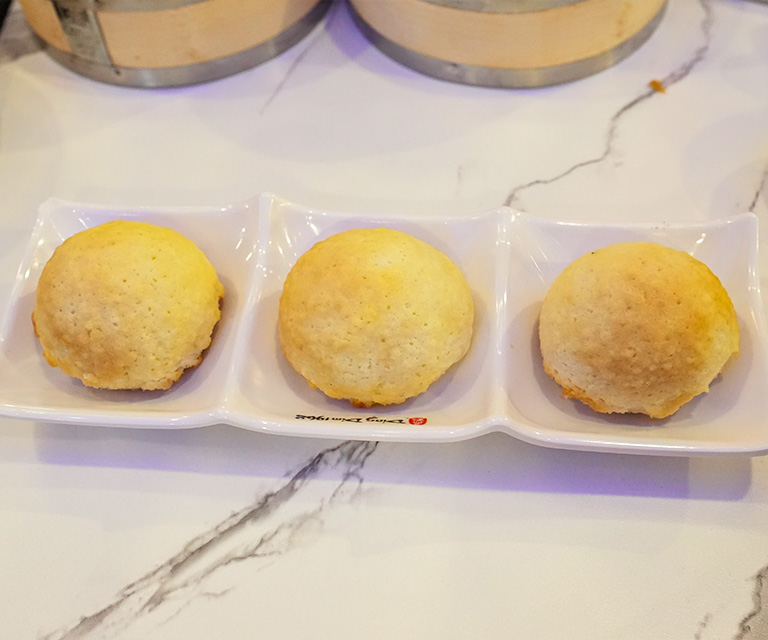
If the Jumbo Xiao Long Bao is the restaurant’s headline act, the supporting cast makes a persuasive argument for repeat visits. The Baked Pastry BBQ Pork Buns arrive bronzed and crackled on top, their lacquered surface giving way to a honeyed filling that balances sweetness with the faint smokiness of char siu. The pastry shatters softly, scattering flakes like confetti on the table. It is messy in the most gratifying way.
Siu Mai Crab Roe with Egg Fried Rice reads like a greatest-hits medley, and yet it resists excess. The siu mai are firm, pleated cups of pork crowned with bright orange roe, saline and briny. Alongside, the fried rice is studded with egg, scallions, and restrained seasoning—each grain distinct, not slick. It tastes composed, deliberate—the culinary equivalent of a playlist that knows when to fade one track into the next.
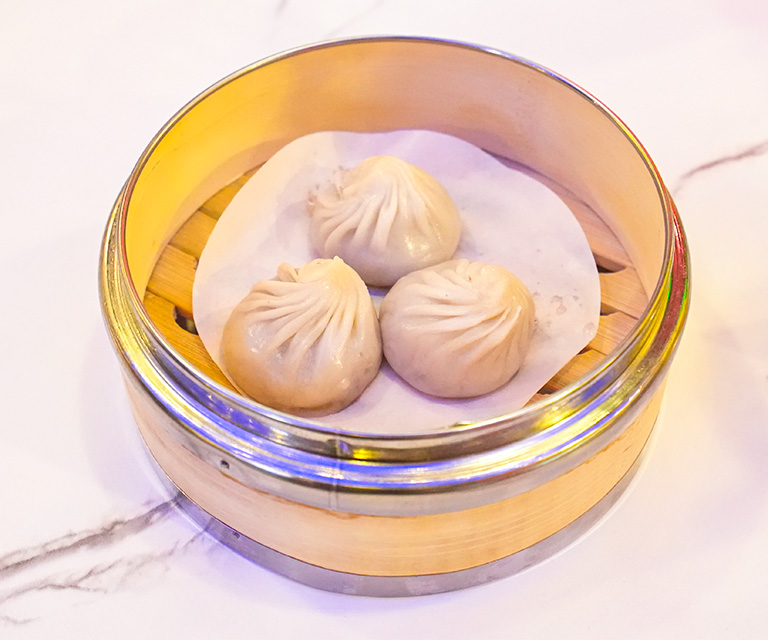
Then there is King Har Gow, the shrimp dumpling that dim sum purists often use as a benchmark. Here, the skins are thin but resilient, encasing shrimp that snap with freshness. No filler, no murkiness—just clean sweetness and a whisper of sesame oil. Dip lightly in black vinegar, and the edges sharpen. Notably, Ding Dim 1968 Philippines dim sum delights are crafted with precision and tradition.
Dessert is almost compulsory. The Golden Egg Yolk Custard Bun arrives warm and pillowy, its soft white dough giving way to a molten center of salted egg yolk custard. The filling is lush and velvety—sweet, savory, and just a little decadent—spilling slowly with each bite. They disappear quickly, often before the tea has had a chance to cool.
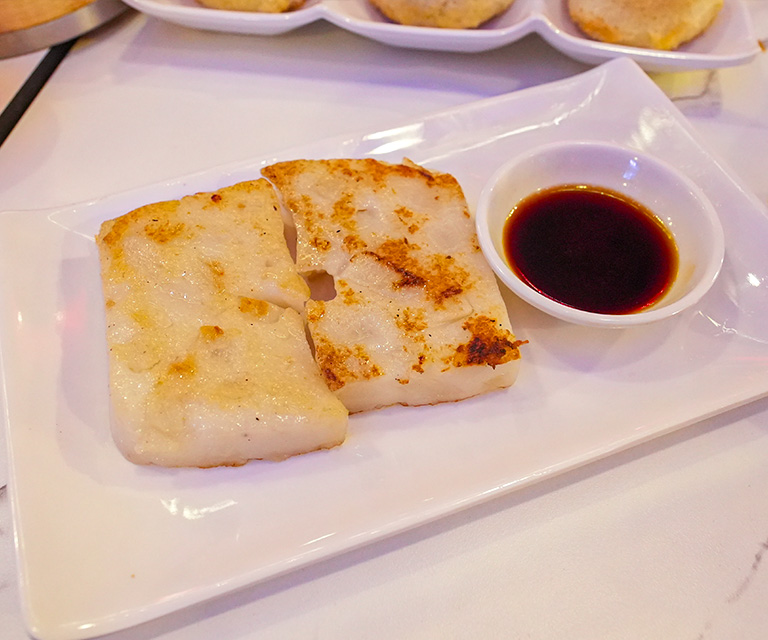
Yet the experience at Ding Dim 1968 extends beyond the plates. The dining room hums with a kind of contemporary ease. Groups linger over milk tea, phones angled for overhead shots of bamboo steamers. The lighting is flattering—soft enough to feel intimate, bright enough to make the food camera-ready. It is, undeniably, an Instagrammable room.
Service moves with quiet efficiency. Servers glide between tables with stacked steamers, lifting lids in a practiced motion that releases aromatic bursts of pork, shrimp, and toasted pastry into the air. There is something ceremonial about it, a rhythm that slows the meal just enough to make you notice.
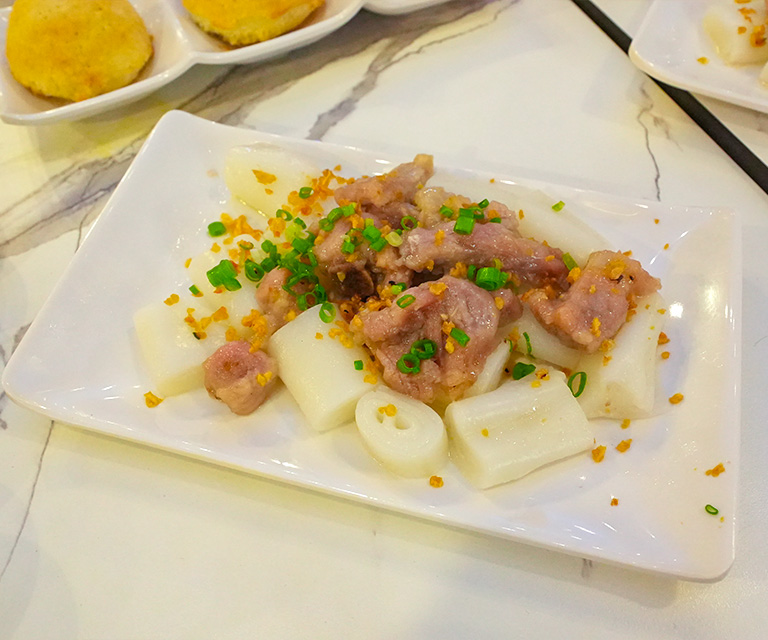
In a dining landscape increasingly defined by maximalism—bigger portions, louder interiors, flashier concepts—Ding Dim 1968 opts for a steadier hand. It does not shout its Hong Kong roots; it gestures toward them in details: the balance of seasoning, the precision of folds, the choreography of service. For Filipino diners accustomed to both homegrown Chinese restaurants and global chains, the restaurant occupies a middle ground. It feels familiar yet slightly elevated, comforting but composed.
And perhaps that is its quiet appeal. You come for the Jumbo Xiao Long Bao—the straw, the steam, the social-media moment—but you stay for the steady pleasures: a perfectly pleated har gow, a flaky bun, the simple pleasure of sharing dishes across the table. In a mall setting that can often feel transactional, Ding Dim 1968 offers something warmer. It invites you to sit, to sip, to share.
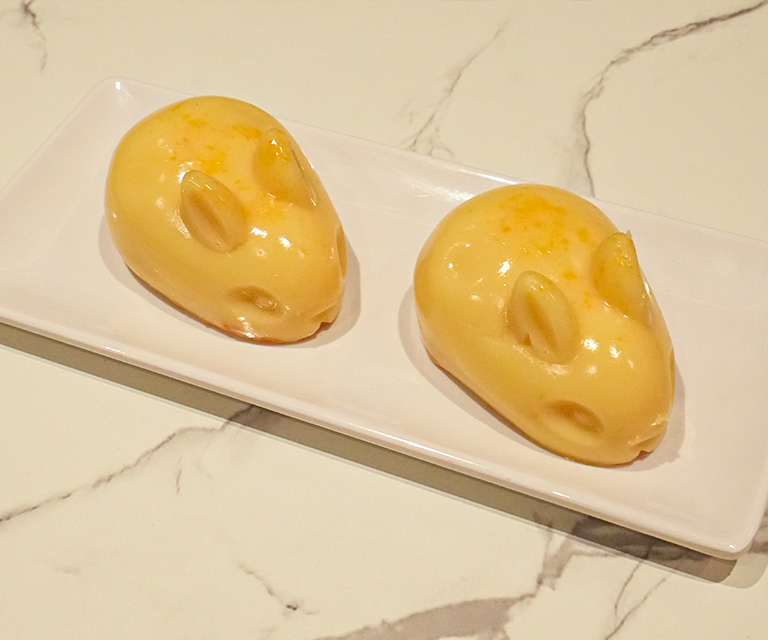
In the end, the experience is less about spectacle and more about ritual. Steam rises. Chopsticks hover. Conversation swells and softens. And somewhere between the first sip of broth and the last bite of the Golden Egg Yolk Custard Bun, the afternoon slips into memory—equal parts comfort and discovery, with just enough flair to keep it interesting. In summary, Ding Dim 1968 Philippines dim sum is perfect for those seeking authentic flavors and novel dining moments.
Watch more at:
FB: https://www.facebook.com/share/r/18HjrnzWtx/
IG: https://www.instagram.com/reel/DVtLPV7gmLo/?igsh=MW4xcDZuYWs5N3UydQ==