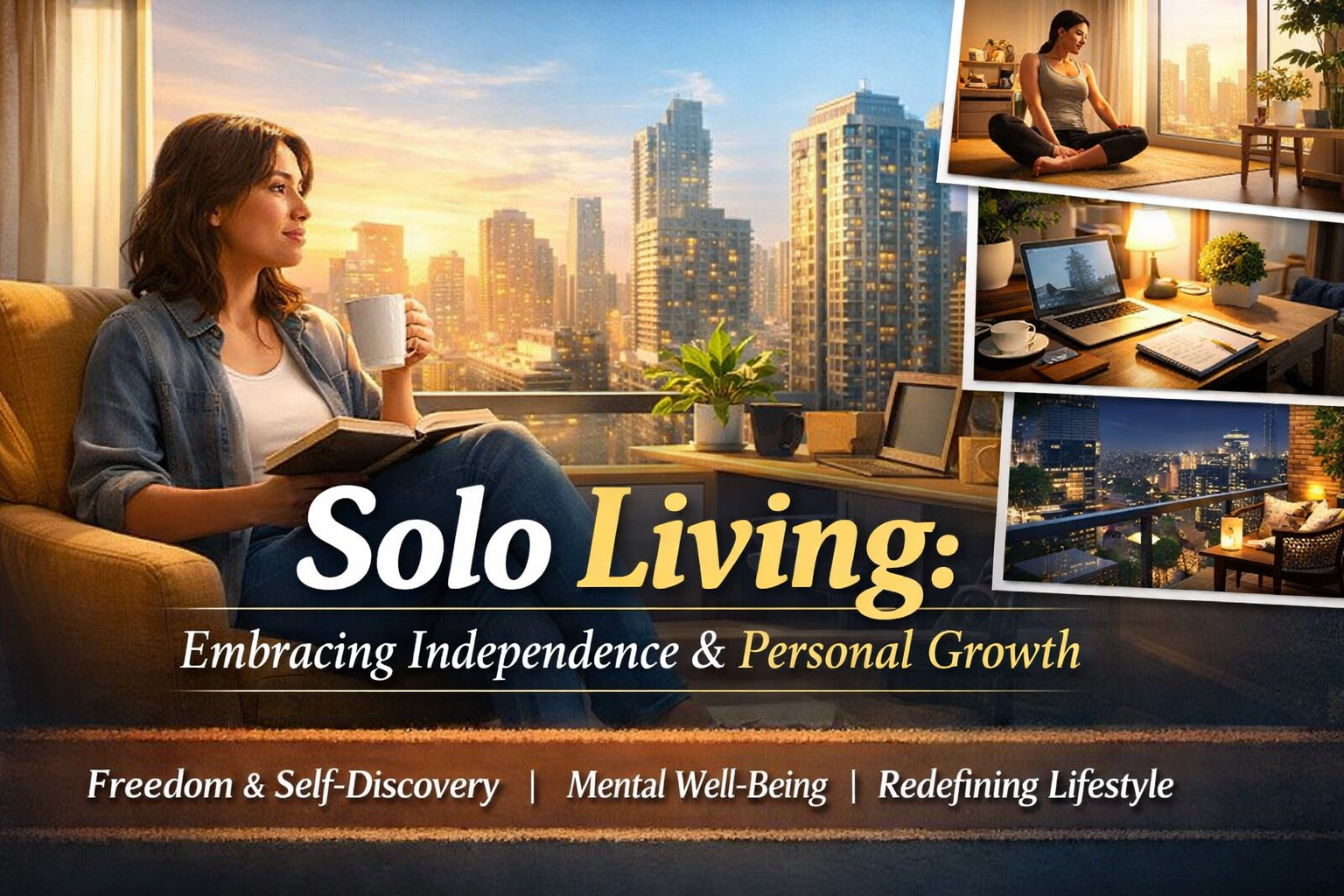
In a fast-paced world where personal freedom, flexibility, and self-discovery are increasingly valued, solo living has emerged as a preferred lifestyle choice for many young professionals and creatives. Choosing to live alone is not merely a matter of preference—it is a conscious decision to cultivate independence, focus on personal growth, and gain full control over one’s environment. For readers navigating life transitions, understanding this trend offers insight into why solo living matters and how it can enrich one’s lifestyle.
Why Solo Living Matters
Living alone allows individuals to explore their priorities, routines, and personal aspirations without compromise. From managing finances and space to designing one’s environment according to personal taste, solo living encourages responsibility, confidence, and self-awareness.
“Living alone taught me to be accountable for myself, my decisions, and even my happiness,” shares Mia Santiago, a twenty-eight-year-old graphic designer based in Quezon City. “It’s not just about freedom; it’s about learning who you are when no one else is around.”
Beyond personal growth, solo living also addresses mental well-being. Experts suggest that having a personal space fosters reflection, focus, and emotional resilience. In cities like Manila, where shared living or commuting challenges can create stress, having a sanctuary of one’s own has become both a practical and empowering choice.
Redefining Lifestyle and Community
This shift toward solo living has prompted innovations in housing, coworking spaces, and urban planning. Boutique condominiums, serviced apartments, and co-living hubs are designed to accommodate the needs of independent residents, offering amenities that balance privacy with social interaction.
“We’ve noticed a growing demand for one-bedroom units that feel spacious, secure, and comfortable,” explains Carlo Dela Cruz, property manager at UrbanNest Residences, Makati. “Solo residents value both convenience and a sense of community, so we focus on spaces that cater to those dual needs.”
Feedback from residents highlights how solo living fosters creativity and productivity.
“I can host clients, work late hours, or even start a small garden on my balcony without constraints,” says Angela Reyes, a marketing consultant. “Living alone has allowed me to structure my life around my ambitions instead of someone else’s schedule.”
Challenges and Adaptations
While solo living offers freedom, it also comes with challenges. Costs, safety, and social isolation are common concerns. However, urban developers and lifestyle brands are responding with solutions such as community events, resident forums, and affordable service packages. These initiatives not only reduce stress but also reinforce a sense of belonging, even in a solitary lifestyle.
Solo Living: A Lifestyle Choice Shaping the Future
The rise of solo living reflects broader societal shifts, including delayed marriage, career prioritization, and the pursuit of personal fulfillment. It represents a move away from conventional dependency and toward a self-directed lifestyle. For young adults and mid-career professionals, this trend is more than a housing preference—it’s a statement about identity, independence, and the values of the new generation.
As urban centers evolve and technology enables greater connectivity, solo living continues to offer opportunities for growth, exploration, and self-expression.
“It’s about freedom and choice,” concludes Dela Cruz. “The modern resident wants to live life on their terms, and solo living is the ultimate expression of that.”
Read more Stories on Simpol.ph
Why More Filipino Millennials Are Walking Away From Family Obligations