In a time of global uncertainty and rapid social change, conversations about leadership and identity have become increasingly urgent. For readers navigating questions of purpose, integrity, and modern womanhood, the dialogue led by Wardah and ParagonCorp offers more than a corporate initiative—it presents a framework for living and leading with intention. By placing moral responsibility and social contribution at the center of beauty and leadership, the initiative speaks directly to individuals seeking meaning beyond surface definitions of success, especially concerning purpose-driven leadership and ethical beauty in Muslim women.
“Participating in the dialogue reminded me that leadership isn’t just about titles—it’s about how we show up every day,” said Fara Aulia, a Wardah brand manager. “Even small decisions can reflect integrity and purpose, whether in our work, our community, or personal lives.” This is a powerful example of leadership grounded in ethical beauty and driven by purpose, especially among Muslim women.
Values at the Core of Leadership
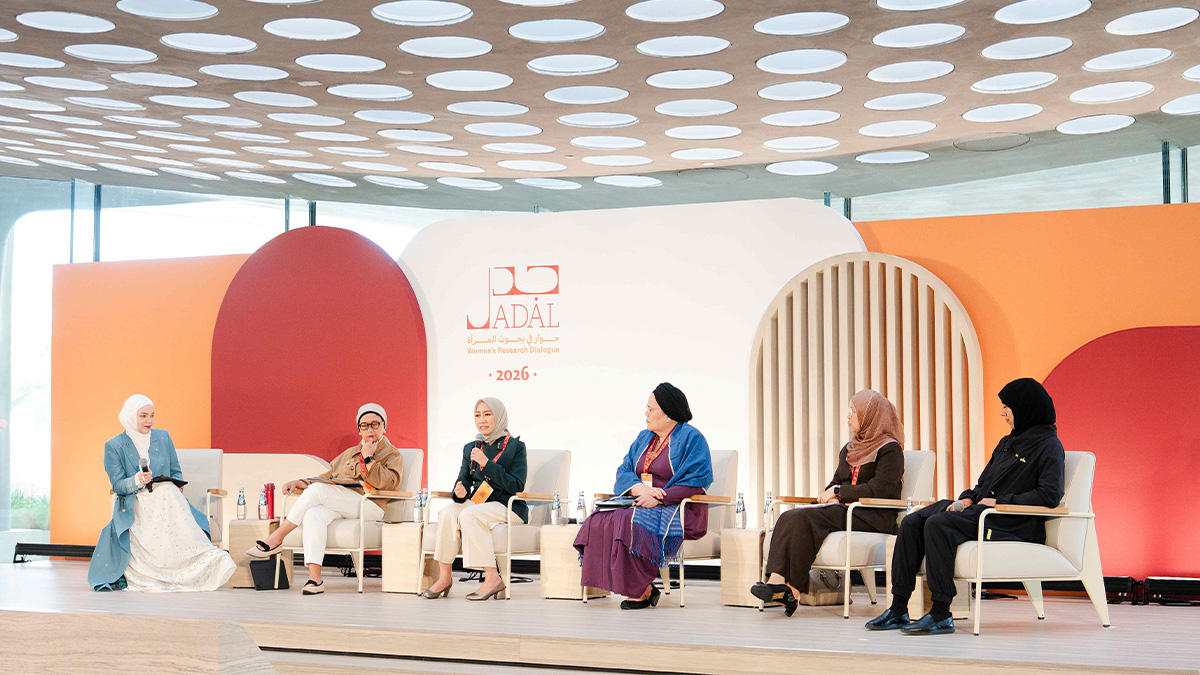
At the recent Jadal Women’s Research Dialogue, Retno Marsudi, former foreign minister of Indonesia, emphasized that leadership must be anchored in purpose. She noted that leaders require a strong moral compass to navigate complex decisions, particularly during periods of global instability. Integrity, she stressed, must remain central to leadership, ensuring that public interest—including the welfare of vulnerable communities—remains paramount. These principles align closely with purpose-driven leadership and ethical beauty valued in Muslim women.
Her remarks reinforced a message echoed by ParagonCorp and its flagship brand Wardah: leadership is not defined solely by authority or visibility, but by values-driven action. Within this framework, women’s leadership becomes transformative when grounded in ethics, empathy, and a sustained commitment to community, mirroring the principles of purpose-driven leadership and ethical beauty in Muslim women.
“Working with ParagonCorp allows me to see the impact of our values firsthand,” shared Rini Dewi, a senior researcher involved in the study. “When ethical principles guide business and beauty initiatives, the results aren’t just aesthetic—they create real social change.” Clearly, the interplay of purpose-driven leadership and ethical beauty in Muslim women is at the forefront of these initiatives.
Researching the Modern Muslim Woman
As part of its participation, ParagonCorp and Wardah presented insights from a qualitative study examining the aspirations of Indonesian Muslim women in relation to beauty, modernity, and faith. The findings suggest that beauty is increasingly understood as a process of self-development—an evolving journey marked by independence, productivity, grace, courage, and meaningful contribution. This approach highlights how ethical beauty and purpose-driven leadership shape the identities of Muslim women.
For younger generations in particular, beauty and leadership are closely linked to purpose. Speaking with conviction, creating social impact, and aligning personal ambition with collective good are seen as essential forms of self-expression. In this context, beauty transcends physical appearance and becomes a reflection of integrity, spiritual balance, and moral responsibility. Similarly, purpose-driven leadership and ethical beauty in Muslim women are exemplified through these actions and values.
“Seeing guests and community members engage with our programs reminded me that our work matters,” said Siti Rahma, a Wardah store manager. “They aren’t just buying products—they are connecting with a philosophy that emphasizes care, ethics, and empowerment.” This philosophy exemplifies how purpose-driven leadership and ethical beauty influence Muslim women.
The research further affirms that Muslim women can navigate contemporary life without compromising their values. Ethical principles and social awareness serve as guides, enabling them to embrace innovation while remaining rooted in faith. Observers at the dialogue noted that such scholarship provides a more nuanced narrative—one that recognizes Muslim women as active participants shaping cultural, social, and professional spheres. Purpose-driven leadership combined with ethical beauty is a key factor in empowering Muslim women to make an impact.
A Corporate Vision Grounded in Purpose
Representing the organization, Dr. Sari Chairunnisa articulated ParagonCorp’s broader philosophy: beauty is most meaningful when it inspires growth and positive impact. Describing the company as a “Purposeful Beauty Tech Company,” she emphasized its integration of ethical values, social responsibility, and innovation across its operations and global initiatives. Importantly, purpose-driven leadership and ethical beauty in Muslim women serve as guiding pillars for these efforts.
Founded in 1985 as PT Paragon Technology and Innovation, the organization has grown into one of Indonesia’s largest national cosmetics enterprises. Its portfolio spans skincare, cosmetics, and personal care products, developed within a framework that prioritizes sustainability, responsible governance, and long-term social contribution. Guided by five core values—faith, excellence, humility, resilience, and innovation—the company positions itself not only as a commercial entity but also as a contributor to broader social progress, promoting purpose-driven leadership and ethical beauty among Muslim women leaders.
Wardah, in particular, has established its identity at the intersection of scientific innovation and faith-inspired principles. Through its product lines and advocacy, the brand promotes the idea that embracing individuality and inner strength is central to authentic beauty. The brand’s journey demonstrates purpose-driven leadership and ethical beauty in the lives of Muslim women.
Beauty as a Lived Commitment
Through its participation in global forums such as Jadal, Wardah reinforces the belief that beauty is not merely an outward expression but a lived commitment. It is demonstrated through purposeful action, accountability, and meaningful engagement with society. The campaign ethos—“Wardah Beauty Moves You, Because Every Step Matters for a Purposeful Movement”—reflects this holistic perspective. For many, purpose-driven leadership and ethical beauty is a daily commitment for Muslim women.
For readers, the dialogue extends beyond corporate messaging. It invites reflection on the intersection of leadership, identity, and values in everyday life. By elevating the voices and aspirations of Muslim women, Wardah and ParagonCorp contribute to a broader conversation on inclusive leadership and ethical development—an approach that resonates not only within Indonesia but across the global community. Without a doubt, purpose-driven leadership and ethical beauty in Muslim women are reshaping these conversations for the future.
“Attending the dialogue was inspiring. It reinforced my belief that ethical leadership and authentic beauty can change communities,” said Anita Kusuma, a corporate guest. “It’s rare to see a company connect research, culture, and purpose so seamlessly.” Ethical beauty and purposeful leadership together empower Muslim women to drive positive change.
As conversations surrounding women’s empowerment continue to evolve, the emphasis on purpose-driven leadership offers a timely reminder: enduring influence is rooted not in visibility alone, but in integrity, service, and the courage to effect meaningful change. Among Muslim women, leadership grounded in purpose and ethical beauty stands out as a transformative model.
Read more Stories on Simpol.ph
Quiet Service, Lasting Impact: The Story of Ruth D. Cruz
Threads Through Time: How Fashion Evolves Across Generations
Arabelle Dela Cruz Makes History as Grand Champion of Veiled Cup Korea