At most culinary festivals, the heat comes from the kitchen. At the International Manila Food Festival (IMFF), it came from the questions—intellectual, emotional, and deeply personal.
Onstage at the IMFF Culinary Congress, chefs weren’t dueling with knives or fire. They were confronting identity, representation, and legacy.
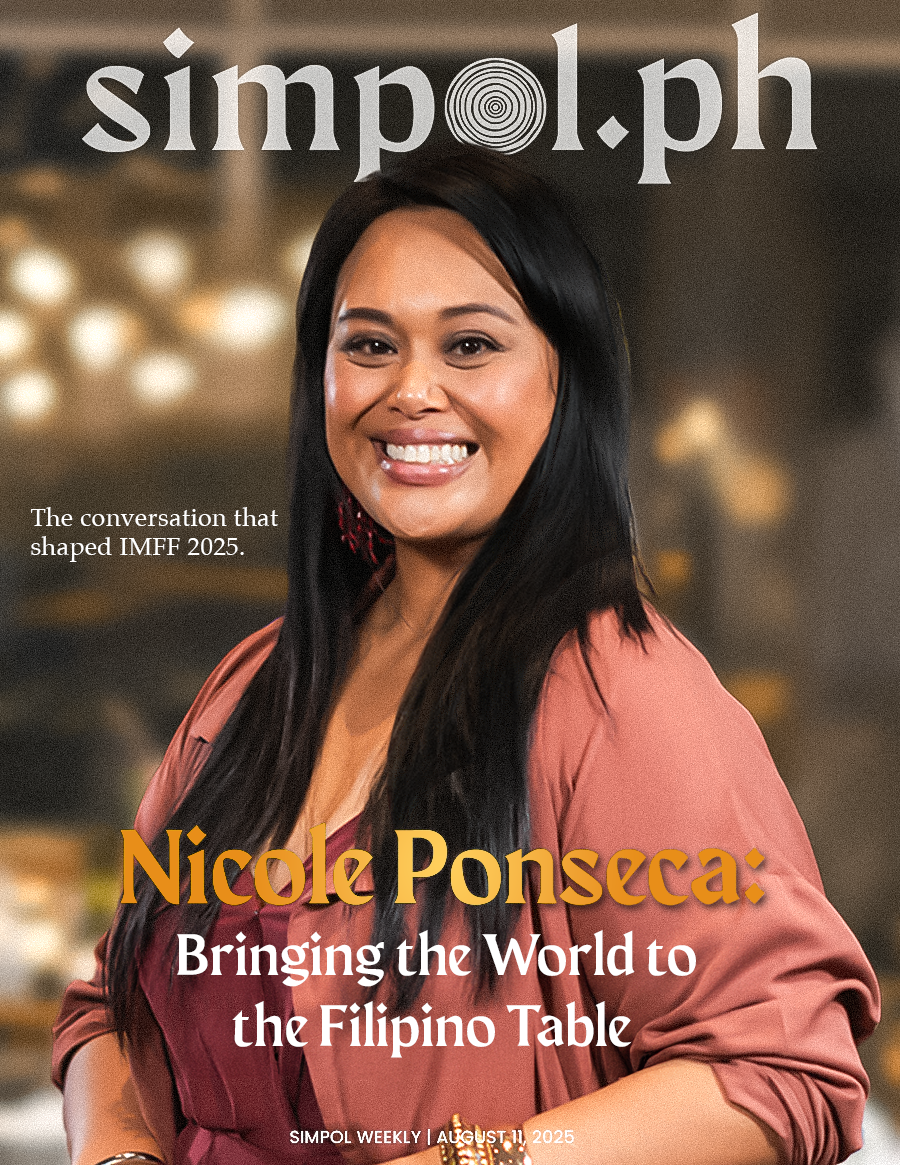
At the center of it all stood Nicole Ponseca. Known for her book I Am a Filipino and her bold, uncompromising voice in the Filipino food movement, she co-founded IMFF not only to celebrate Filipino cuisine but also to challenge how we define it.
In Manila, she asked what many have avoided for years: What makes Filipino cuisine? Why hasn’t it broken through globally? Who decides what it is—and what happens when we own that definition ourselves?
In a country with more than a hundred ethnolinguistic groups, Filipino cuisine is less a single tradition than a chorus of regional palates—shaped by climate, geography, seasonal harvests, and centuries of migration and trade. That diversity, Ponseca reminded the audience, is its strength. The beauty lies in how differences can create a shared table rather than a dividing line.
Purpose Beyond the Plate
“Every time I feel confident in my understanding of Filipino food, I discover something new,” she told the crowd. “It’s a lifelong journey.”
Her father’s words—Above everything, you are Filipino—became her compass, guiding her through years of navigating kitchens, media, and the layered politics of cultural representation.
Her mission has never been just about food. It’s about purpose. It’s about planting roots, not simply chasing visibility. Helping Filipino cuisine thrive takes more than recipes—it demands storytelling, vision, and courage.
When she began this advocacy, Ponseca faced pushback from within the Filipino community. Not everyone embraced her interpretations or her unapologetic positioning of Filipino flavors in New York’s fine dining circles.
Even so, she stood her ground—first for herself, and now, for a broader movement. IMFF is one of the most visible results of that persistence.
From New York to Manila
In the United States, Ponseca built a name through action. Her restaurants—Maharlika and Jeepney—didn’t just serve food; they told stories. Kamayan feasts, bagoong cocktails, and dinuguan plated like art were bold creative acts.
Behind the scenes, she shaped cookbooks and brand narratives that pushed the conversation forward. With I Am a Filipino, she created a cultural touchstone, earning a James Beard nomination and becoming a trusted voice in global food dialogues.
Today, her approach has shifted from urgency to depth. She’s no longer the disruptor with something to prove—she’s the bridge between tradition and reinvention, between diaspora and homeland.
“When you dig deeper, you realize how much more there is to learn—from heirloom techniques to ingredients that don’t always reach Manila kitchens,” she said. She doesn’t claim authority—only accountability—to keep learning, keep asking, and hold space for others to do the same.
Building Identity and Infrastructure for Filipino Cuisine
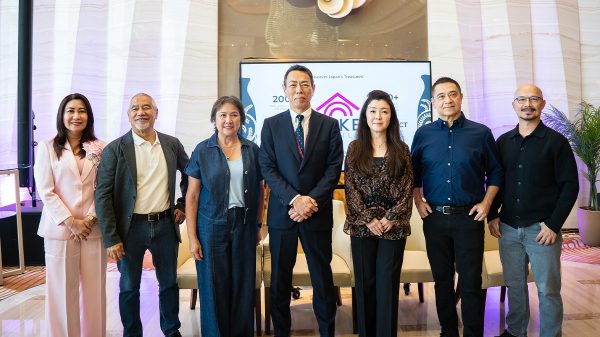
This year’s IMFF was both emotional and structural. In partnership with the Center for Culinary Arts (CCA), Enderun Colleges, and Le Cordon Bleu–Ateneo, the festival’s Culinary Congress balanced soul and system—spotlighting the need for education, public support, and unified messaging.
“We’ve been saying this for years: If you bring the chefs together, people will come,” said Anton Diaz, IMFF’s co-founder and the force behind Our Awesome Planet.
For Ponseca, that gathering isn’t just about cooking side-by-side—it’s about keeping those kitchens open. She pointed out that while more Filipino restaurants are earning recognition abroad, just as many are quietly closing their doors. The challenge, she said, is finding balance.
“We can’t just be chefs—we also have to be businessmen,” she reminded the audience. “Filipino food is a shared brand, and we all have to do our share to keep it thriving.”
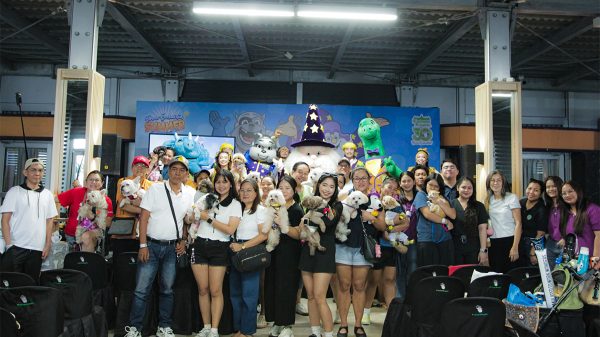
At Newport World Resorts, that prediction came true. From morning panels to tasting rooms, the event buzzed with intention as much as celebration.
Mapping the Frontiers of Filipino Food
The room became a living map of Filipino food’s many frontiers. From Melbourne, Ross Magnaye of Serai reframed Filipino flavors through modern fire cooking.
In Paris, Erica Paredes built her reputation on bold, comforting dishes that feel both fearless and familiar. Also in Paris, Aaron Isip blended fine dining elegance with the deep soul of his roots, proving that heritage and haute cuisine can share the same plate.
Back home, Josh Boutwood of Helm stripped dishes to their purest expression with ingredient-forward menus, while Chele Gonzalez and Carlos Villaflor of Gallery by Chele pushed boundaries through science, foraging, and storytelling.
Sustainability leaders brought urgency—Filippo Turrini of Roots Siargao channels coastal terroir into his menus, while Lordfer Lalicon of Kaya in Orlando—the only Filipino restaurant with a Michelin Green Star—places environmental responsibility at the heart of his craft.
Together, they didn’t compete with Ponseca’s story—they expanded it. Their differences weren’t contradictions but proof of the cuisine’s depth. Nicole Ponseca Filipino cuisine is not a monolith; it is, as IMFF showed, a living mosaic.
A Legacy in the Making
Despite the accolades, Ponseca doesn’t speak like someone who has arrived. She speaks like someone still in motion. She believes Filipino cuisine is still becoming—its strength lying in adaptability, soul, and its refusal to be confined to one definition.
She’s no longer just fighting to be heard—she’s helping others listen: to each other, to the land, and to the history living in every dish. Her work at IMFF shows that answering what makes Filipino cuisine is not about ending the debate—it’s about keeping it alive for the next generation.
As the congress closed, Ponseca offered a thought that felt less like an ending and more like a handoff: “The goal isn’t just to be recognized. It’s to be remembered. And remembered on our own terms.”
In the end, perhaps that’s the real beauty of Filipino food. It doesn’t demand perfection—it invites presence. Whether you’re cooking sinigang from memory or tasting bagoong for the first time, there’s a place for you at the table. Filipino cuisine isn’t static. It’s a living story—told, retold, and reimagined. Always evolving. Always nourishing.
Read More on Simpol.ph
- A Taste for the Lost: How John Sherwin Felix Revives Filipino Food Heritage – Documenting endangered recipes and the stories behind them.
- Kapampangan Cuisine in Milan: A Culinary Journey – Bringing the flavors of Pampanga to a global stage.
- The Art of Becoming: Chef Ronald Villavelez and the Poetry of Cebuano Cuisine – How heritage, fashion, and food come together in Cebu.
- Filipina Chef Ivory Yat Vaksman’s Catering Journey – Resilience, comfort food, and building a brand with heart.
- Purpose, People and Plate: Chef Jonas Ng on Cooking Without Borders – On sourcing, sustainability, and the human side of cooking.
Filipino food is a living story. Explore more journeys from the voices shaping it in Simpol’s Pipol features.