Dining out remains a fixture of Filipino life, even if it now costs more than it used to.
It’s not in your imagination, and it’s not just one thing. From the price of rice to the cut delivery apps take from every order, the true cost of a meal has quietly climbed over the years.
A Meaningful Shift in the Food Landscape
Eating out in the Philippines costs more now than it used to. Not a little more – meaningfully more, across almost every price point and format. From the carinderia and the mall restaurant to the mid-range spot you used to visit with your friends for an affordable hangout, you’re not misremembering all of these. The increase is real and it has more than one cause, and this is part of why it’s so difficult to reverse.
This isn’t a story about restaurants being greedy, or about Filipinos suddenly developing expensive taste. It’s a story about a set of structural pressures of ingredients, labor, and logistics that have converged over the past several years and reset what a meal costs.
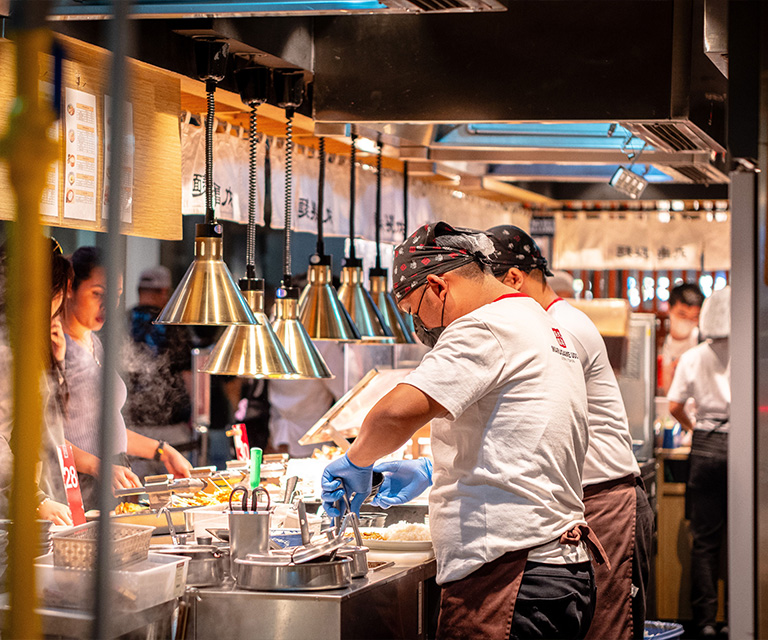
The Core Drivers of Rising Costs
1. Ingredients
Rice prices in the Philippines surged by over twenty percent in 2024, a fifteen-year high serious enough to prompt a government food security emergency. Vegetable prices followed, climbing sharply into 2025, and pork has remained elevated since 2022, with no real return to pre-pandemic norms.
For restaurants, and especially the budget ones whose value proposition rests on generous and affordable plates, this was a direct hit.
The raw materials of Filipino cooking became significantly more expensive to source, and that cost passed directly into our restaurants’ menus. Operators absorbed what they could for as long as they could, and then they raised prices, because there was eventually nothing else left to raise.
2. Labor
Metro Manila’s daily minimum wage used to be ₱537 in 2019; today, it’s ₱695, following the largest single increase the NCR wage board has ever approved. Higher wages are the right call: restaurant workers have long been underpaid, and the increases are long overdue. But restaurants run on manpower in a way most industries don’t, and when labor costs rise by nearly thirty percent over the span of five years, the menu would eventually have to reflect that.
3. Logistics
GrabFood and foodpanda take between twenty and thirty percent of every order as commission. On a ₱500 delivery order, the restaurant receives somewhere between ₱350 and ₱400 before covering ingredients, labor, and packaging.
Restaurants respond the only rational way they can: by pricing to recover that margin, either through higher delivery menus or across-the-board increases. Either way, the commission is in the total, whether you’re eating out or ordering in.
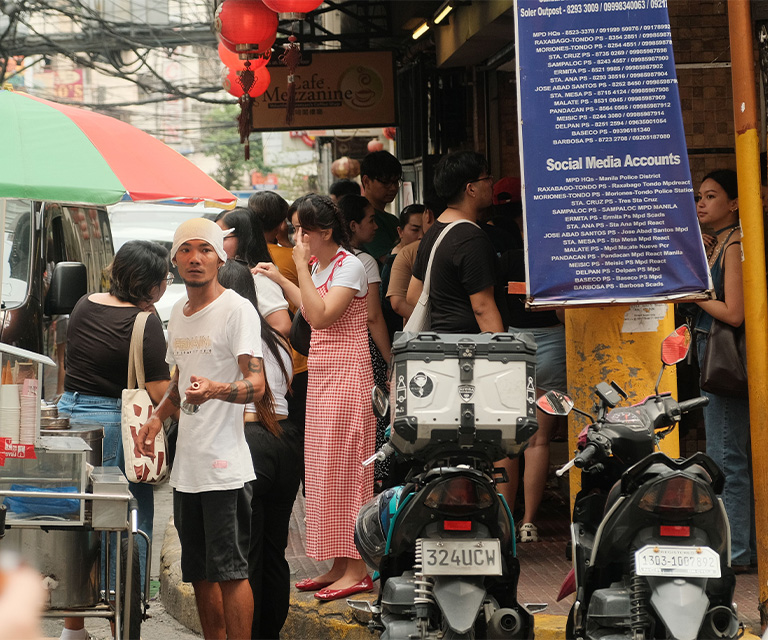
The Impact on the Food Ecosystem
Price increases at the high end of Manila’s dining scene are real but manageable; a customer already spending ₱2,000 on dinner can usually accommodate a modest rise, but the more consequential impact is felt at the budget end of the spectrum.
The carinderia doesn’t hedge commodity prices, doesn’t have delivery revenue to offset costs, and runs entirely on the expectation that regulars will return because the food is good and affordable. And when their prices have to go up as an economical consequence, some of those regulars leave, and the operator has very few ways to win them back.
We reduced the ingredients so that the dish we serve is not as small as a plate of fish sauce because we also feel sorry for our customers.” — Joan Hipolito, Philippine Association of Stores and Carinderia Owners (Philstar, April 2026)
The cost pressure in Philippine dining has not been distributed evenly. It has landed hardest on the parts of the food ecosystem with the least slack, and those also happen to be the parts most Filipinos actually depend on day to day.
A New Normal for Philippine Dining
None of the forces driving this – ingredient costs, wage increases, delivery commissions – show signs of reversing, and in fact, restaurant inflation was accelerating again as of early 2026. The Philippine food scene remains resilient and continues to grow, but the affordability that made eating out feel easy and unremarkable is under genuine pressure.
And the places most worth protecting are the ones with the least protection from it.
Read more Stories on Simpol.ph
When Making a Living Feels Like Dying: The Hidden Cost of Running a Business in the Philippines